

Machining of Weldments
Machining of Weldments
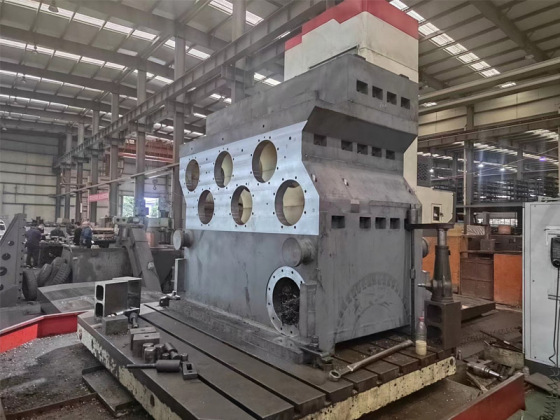
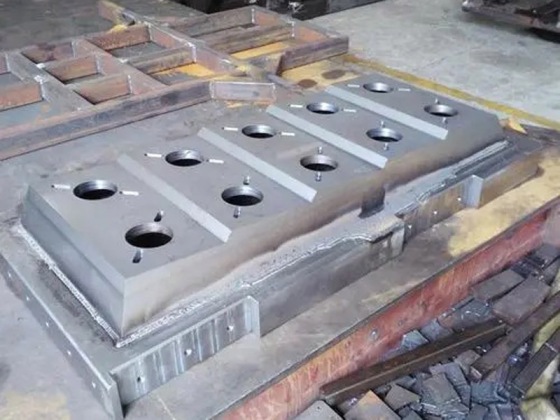
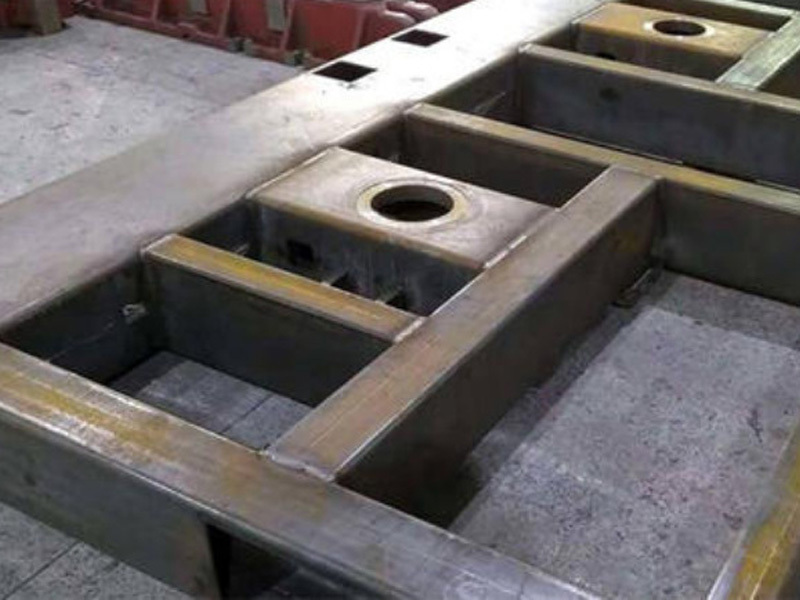
Weldment machining refers to the manufacturing process of joining workpieces made of metal or thermoplastic materials into an integrated structure through welding techniques. It is widely applied in fields such as machinery manufacturing, construction, automotive, shipbuilding, aerospace, and more. The core principle of welding involves heating, applying pressure, or a combination of both to achieve atomic-level bonding between workpieces.
Welding processing offers significant advantages: it conserves metal materials, provides high productivity, delivers joints with high strength and excellent sealing performance, and is easily adaptable to mechanization and automation. For large and complex structural components, composite processes such as "casting-welding" and "forging-welding" can overcome equipment limitations and reduce costs. Additionally, welding enables the joining of dissimilar metals, facilitating the fabrication of bimetallic structures.
- Luoyang Hanfei Power Technology Co., Ltd
- Henan, China
- Possesses complete, stable, and efficient supply capabilities for Cutting Of Metal Products
- Information
Machining of Weldments
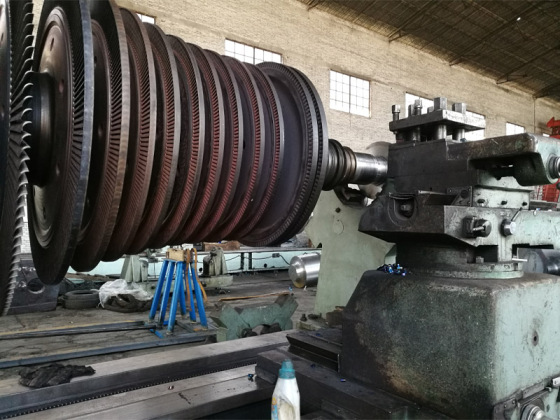
Machining of weldments refers to the manufacturing process of joining workpieces made of metal or thermoplastic materials into an integrated structure through welding techniques. It is widely applied across numerous fields including machinery manufacturing, construction, automotive, shipbuilding, aerospace, and wind power equipment. Leveraging advantages such as flexible structural design, high material utilization rate, and adaptability for forming large, complex components, it is gradually replacing some castings and forgings, becoming a core component in heavy-duty equipment and general machinery. The machining quality directly impacts the component's load-bearing capacity, sealing performance, and service life, making it a critical link in machinery manufacturing that combines technical complexity and intricacy.
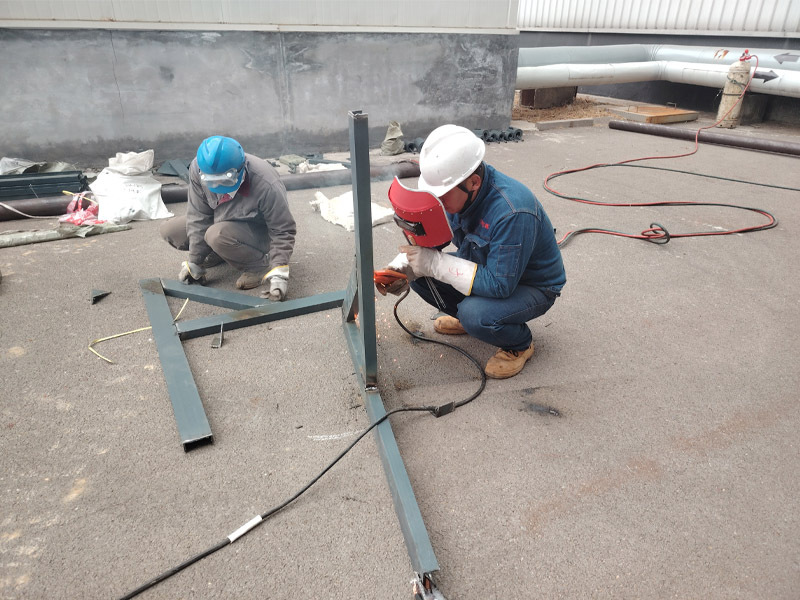
The core principle of welding processing involves heating, applying pressure, or a combination of both to achieve atomic-level bonding between workpieces. Based on the state of the metal during the process, welding is primarily classified into three categories: fusion welding, pressure welding, and brazing/soldering. Fusion welding involves locally heating the base metal at the joint to melting point, forming a molten pool that solidifies to create the bond, typically without applied pressure; common methods like manual arc welding, TIG welding, and submerged arc welding fall into this category and are the most widely used. Pressure welding requires applying pressure to the weldment, with or without heating, achieving connection through plastic deformation or diffusion bonding; for instance, friction welding uses frictional heat generated at the contact surfaces. Brazing and soldering use filler metals with melting points lower than the base metal; the heated, liquid filler metal wets the base metal and fills the gap to form the joint, categorized into hard brazing and soft soldering based on filler metal melting point.
Compared to joining methods like riveting and casting, welding offers significant advantages: conservation of metal materials, high productivity, high joint strength, excellent sealing performance, and ease of mechanization and automation. For large, complex structural components, composite processes like "cast-weld" or "forge-weld" can overcome equipment limitations and reduce costs, also enabling the joining of dissimilar metals to create bimetallic structures. Prior to machining weldments, thorough preparation is essential, focusing on material selection, workpiece pretreatment, and process planning. Commonly used materials include carbon steel, alloy steel, stainless steel, and aluminum alloy, which must be matched to operating conditions. Pretreatment involves cleaning oil, rust, and contaminants from the welding surfaces, often via grinding or sandblasting, to enhance joint strength and avoid defects like porosity and slag inclusions.
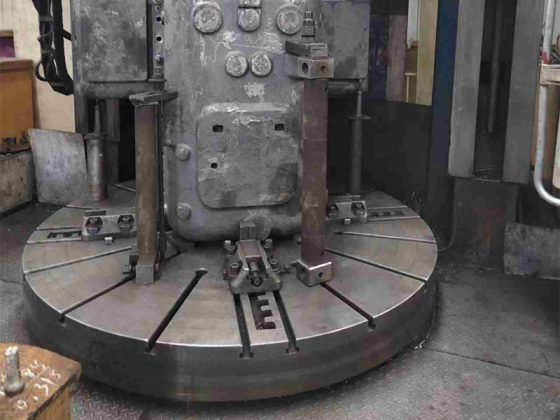
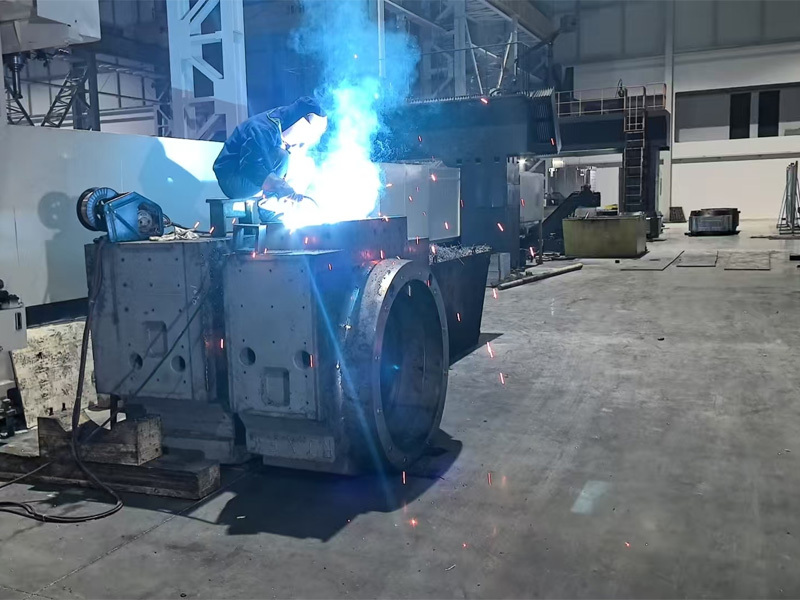
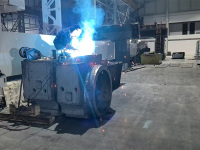
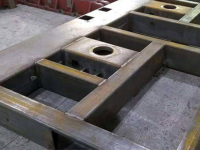
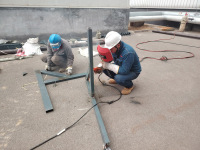
Welding formation is the core stage, requiring strict quality control tailored to the process type. Manual arc welding offers flexibility, suitable for complex structures and field work; gas metal arc welding provides high efficiency and stable weld beads, ideal for mass production; submerged arc welding, with its high current and deep penetration, is apt for thick plates; TIG welding yields aesthetically pleasing welds with minimal distortion, suitable for stainless steel and aluminum alloys. During welding, parameters like current, voltage, speed, and interpass temperature must be controlled to prevent defects like lack of fusion or cracking. For large, complex components, segmented or symmetrical welding sequences can minimize distortion and ensure forming accuracy. Post-welding steps include slag removal, heat treatment, straightening, and finishing: removing slag and grinding welds, using stress relief annealing to eliminate stresses, applying mechanical or flame straightening for distortion correction, and precision machining to achieve accurate fitting surface dimensions.
Quality inspection and control are integral throughout the entire machining process, crucial for defect prevention. Pre-weld checks include verifying material certificates, pretreatment effectiveness, and parameters. During welding, real-time monitoring via visual inspection and weld gauges is conducted. Post-weld, non-destructive testing methods like ultrasonic, radiographic, and magnetic particle testing are employed to detect internal and surface defects, while CMMs ensure precise dimensional and geometric tolerance verification. For components in high-risk applications like pressure vessels or wind turbine towers, strict adherence to standards like GB/T 19869 and full quality traceability are mandatory to ensure operational safety.
Modern welding technology is rapidly advancing towards automation and intelligence. Advanced technologies like welding robots, laser welding, and electron beam welding are widely used, significantly boosting productivity and ensuring weld precision and quality consistency. Furthermore, welding energy sources are increasingly diverse, encompassing gas flames, arcs, lasers, friction, and ultrasound, adapting to special environments like field, underwater, or space operations. Additionally, digital simulation can predict deformation and defects, optimizing welding procedures. Looking ahead, welding processing will integrate multiple technological advantages, focusing on precision and efficiency, combined with composite processes to provide high-quality, well-suited components for various industries.