


- Home
- >
- Products
- >
- basic machining
- >
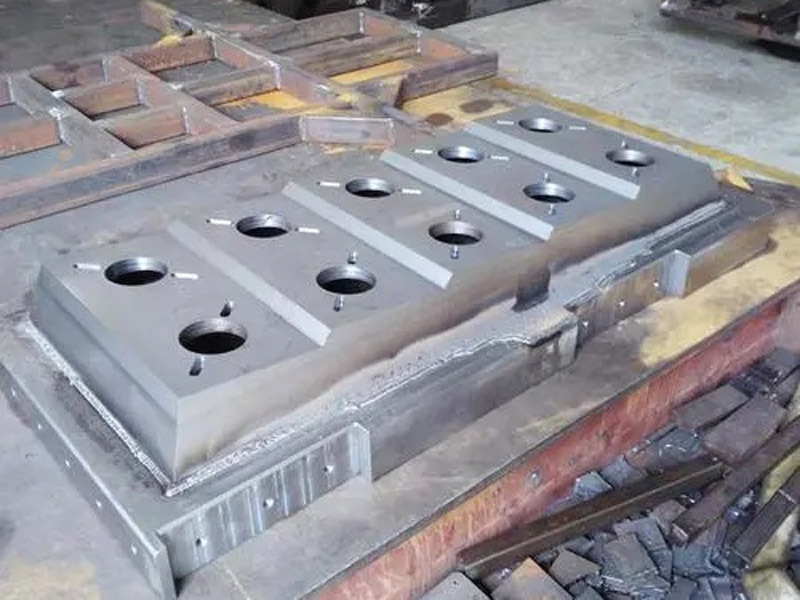
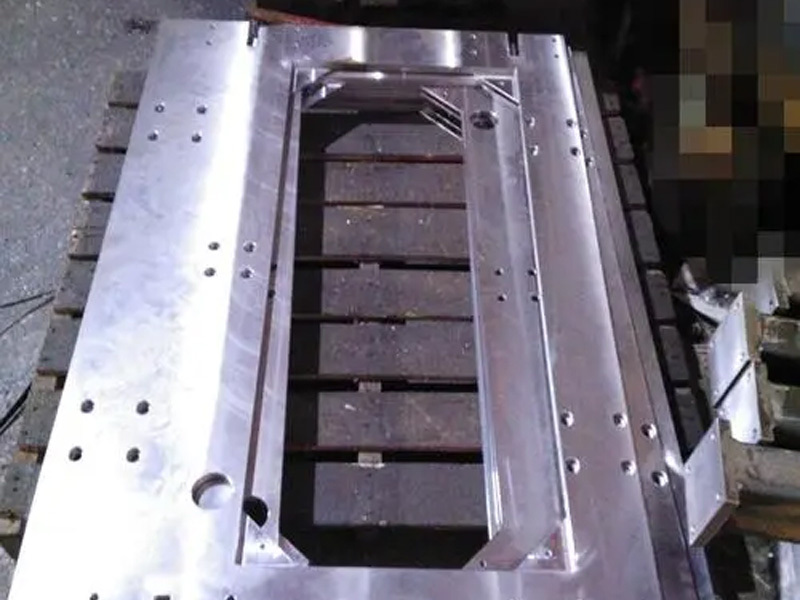
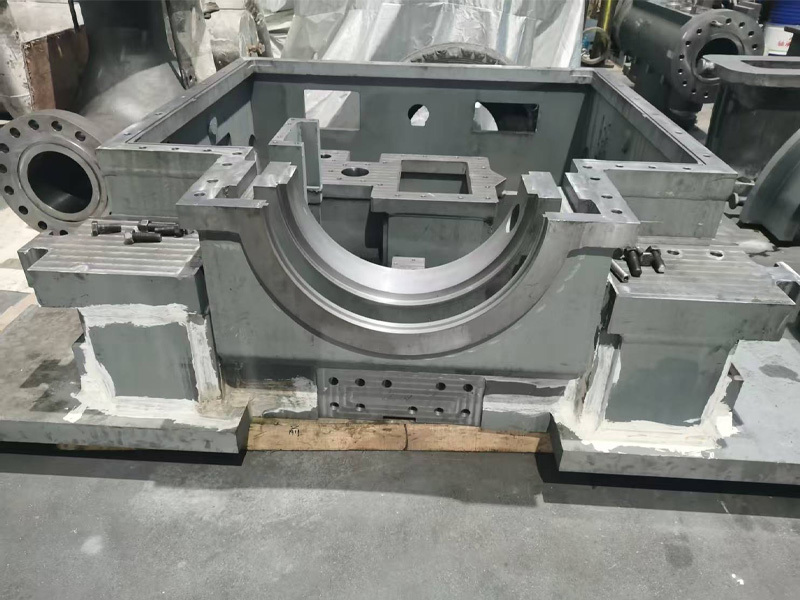
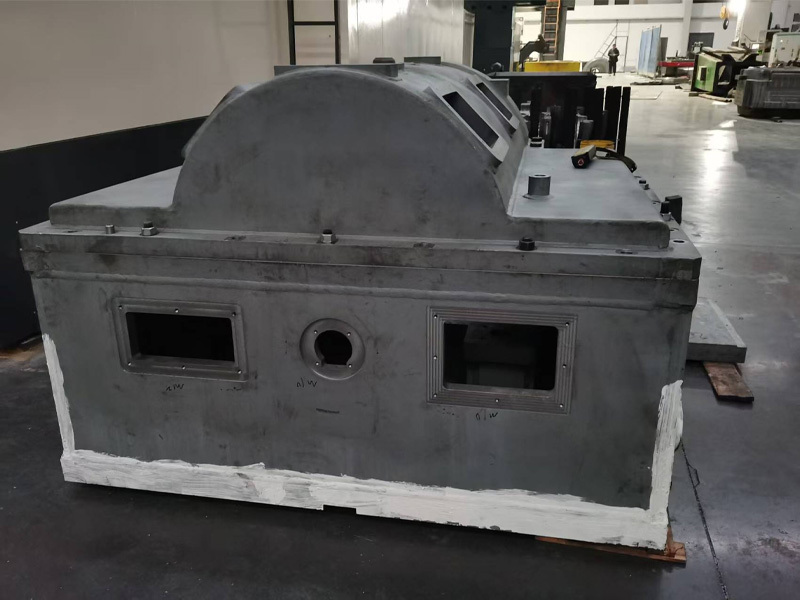
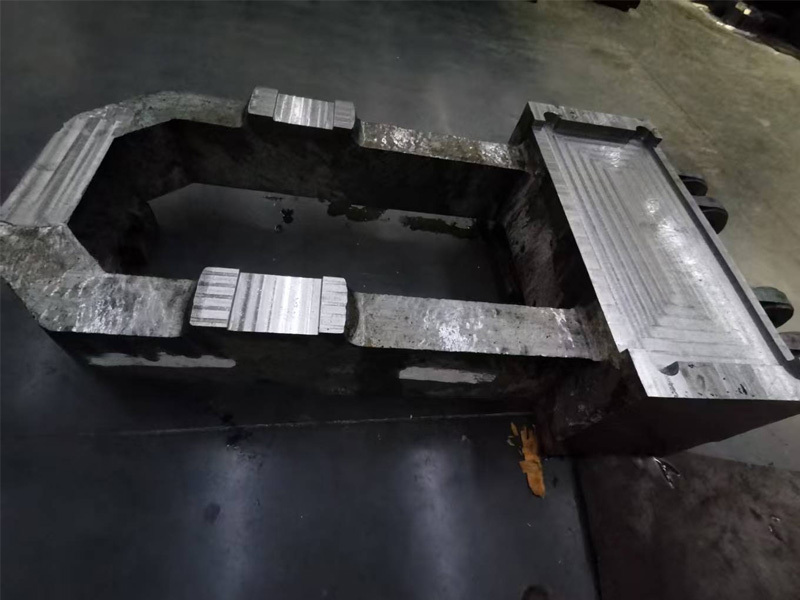
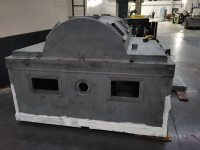
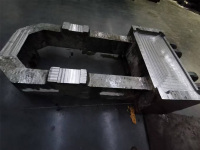
basic machining
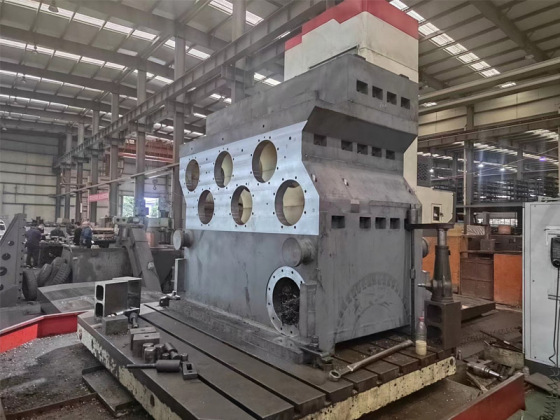
In the field of mechanical manufacturing, basic machining refers to the core set of processes that provide initial shaping, dimensional reference, and surface pretreatment for workpieces. It serves as the prerequisite and foundation for subsequent precision machining, assembly, and final product acceptance.
Its primary objectives are to remove excess material from blanks, establish reference surfaces on workpieces, and optimize surface conditions through standardized procedures, thereby providing machined workpieces that meet accuracy requirements for further operations. Basic machining is widely applied in the manufacturing of various mechanical components, including shafts, housings, and plates, spanning industries such as automotive, machine tools, construction machinery, and aerospace. It directly determines the final machining accuracy, assembly compatibility, and overall performance stability of the components.
- Luoyang Hanfei Power Technology Co., Ltd
- Henan, China
- Possesses complete, stable, and efficient supply capabilities for Cutting Of Metal Products
- Information
Basic Machining
Basic machining typically refers to the process in manufacturing of altering the shape, dimensions, or properties of raw materials through physical, chemical, or mechanical means to create desired products or semi-finished goods. It is a core link in modern manufacturing, crucial for achieving product innovation, improving efficiency, and reducing costs. In the field of mechanical manufacturing, basic machining serves as the prerequisite for subsequent precision machining, assembly, and final product acceptance. Its core objective is to optimize workpiece geometry and surface conditions through standardized processes, providing qualified blanks for follow-up operations. It is widely applicable to the manufacturing of components such as shafts, housings, and plates, covering industries including automotive, machine tools, and aerospace, and directly determines the final product's accuracy and performance stability.
Basic machining can be classified based on its principle and its effect on the material, with classification based on material removal methods being the most common, primarily including four major categories. Cutting is the most mainstream method, utilizing machine tools to provide power and cutting tools to remove excess material from the workpiece to achieve the desired geometry, dimensional accuracy, and surface quality. Pressure processing involves applying force to the entire material, causing plastic deformation to achieve the desired shape, typical examples being forging and stamping. Welding processing uses heat and/or pressure to achieve atomic bonding at the joint between multiple workpieces, forming a permanent connection. Non-traditional machining utilizes non-conventional energy sources like electrical, thermal, or light energy, and is suitable for machining parts with high hardness, high melting points, or complex shapes, such as in EDM (electrical discharge machining) and laser machining.
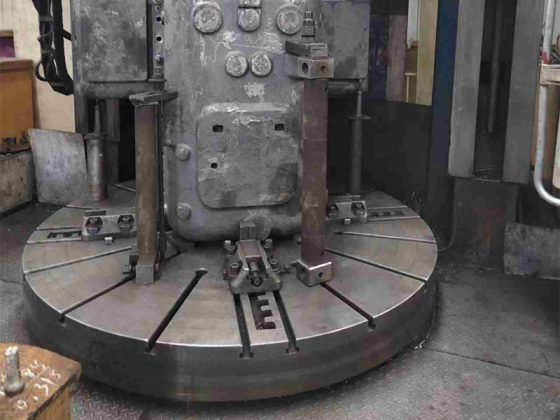
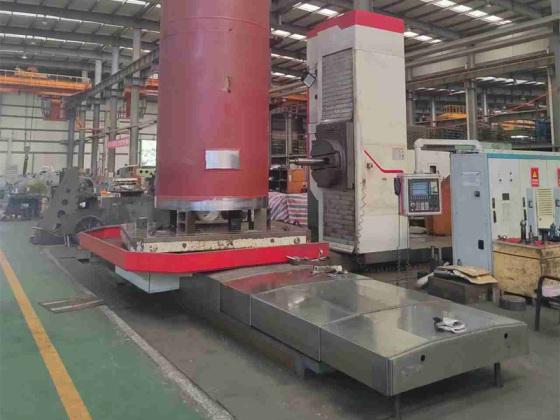
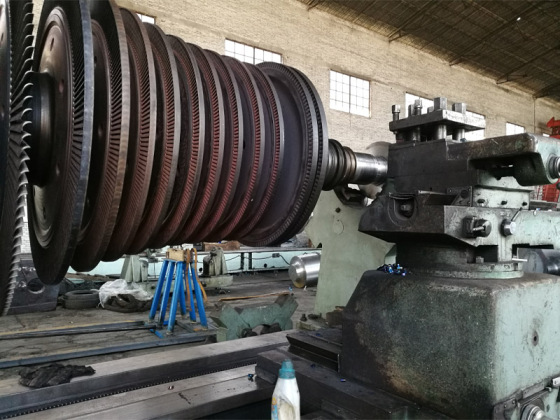
As the core of basic machining, cutting requires the selection of specialized machine tools and tools based on the workpiece shape and machining requirements, with common methods being diverse. Turning revolves around the rotation of the workpiece and the movement of the tool, primarily used for machining rotational parts like shafts, discs, and sleeves, capable of completing processes like external diameters, internal holes, facing, and threading. Milling involves the rotation of the tool with movement of the workpiece or tool, suitable for planes, grooves, contours, and hole machining, and is extremely versatile. Drilling uses drill bits to create holes in the workpiece, forming the basis for subsequent precision hole machining. Grinding employs grinding wheels for finishing, capable of achieving high accuracy and low surface roughness. Planing and slotting focus on plane and groove machining; the former involves reciprocating workpiece motion, while the latter involves vertical tool motion, adapting to different scenario needs.
Basic machining involves several key process concepts that directly impact machining quality and efficiency. The process system is the core component, a unified entity consisting of the machine tool, tool, fixture, and workpiece, whose stability directly determines machining accuracy. The machining datum is the basis for determining the relationships between geometric elements of the workpiece, divided into the design datum used on drawings and the process datum applied during machining, following the "datum first" principle to ensure machining consistency. The machining stages are typically divided into roughing, semi-finishing, and finishing: roughing removes the bulk of the material allowance, semi-finishing prepares the way for finishing, and finishing ensures the final accuracy and surface quality. Cutting parameters, including cutting speed, feed rate, and depth of cut, are key parameters affecting machining efficiency, quality, and tool life.
Material selection for basic machining must consider both properties and working conditions. Commonly used materials are divided into two major categories: metallic and non-metallic. Metallic materials are the most widely used; among them, carbon steel offers high strength and low cost, suitable for general-purpose heavy-duty parts. Stainless steel provides excellent corrosion resistance, making it applicable in chemical and food machinery fields. Aluminum alloy is lightweight and is often used in scenarios requiring weight reduction. Non-metallic materials like plastics and ceramics, by virtue of their unique physical and chemical properties, are used as metal replacements in specific scenarios. The material's mechanical properties and physical properties are important bases for selecting machining methods and optimizing cutting parameters, and need to be matched specifically to enhance machining outcomes.
As mechanical manufacturing advances towards high precision and intelligence, basic machining technology continues to evolve. Automated equipment like CNC lathes and CNC milling machines are gradually replacing traditional machine tools. Combined with digital measurement and online monitoring technologies, they significantly improve machining efficiency and accuracy consistency. The adoption of flexible manufacturing systems enables basic machining to quickly adapt to multi-variety, small-batch production needs. Continuous breakthroughs in non-traditional machining technologies further expand the boundaries of material and structural adaptability for basic machining. In the future, basic machining will deeply integrate automation and digital technologies. While optimizing process parameters and enhancing process system stability, it will develop towards greater efficiency and flexibility, solidifying the foundation of modern manufacturing.