


- Home
- >
- Products
- >
- Gearbox Processing
- >
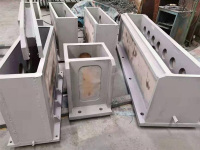
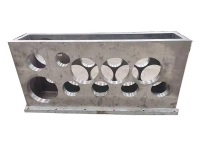
Gearbox Processing
As the core component of a mechanical transmission system, the performance of a gearbox directly affects the operational efficiency, stability, and lifespan of the entire mechanical system. Therefore, the manufacturing process of gearboxes requires a high degree of precision and strict quality control.
The working principle of gearbox manufacturing primarily involves the fabrication, assembly, and power transmission process of the internal gears. At its core, gear meshing is used to adjust speed, torque, and transmission direction. The manufacturing of gearboxes must comprehensively consider materials, precision, assembly, and lubrication to meet the high reliability requirements of various fields such as wind power generation and marine propulsion.
- Luoyang Hanfei Power Technology Co., Ltd
- Henan, China
- Possesses complete, stable, and efficient supply capabilities for Cutting Of Metal Products
- Information
Gearboxes are core components of mechanical transmission systems. Through the meshing of internal gears, they facilitate power transmission, speed regulation, and torque conversion, making them widely adaptable to various fields such as industrial machinery, wind power, rail transportation, and marine applications. Their performance directly determines the transmission efficiency, stability, and service life of the entire machinery, while the precision of the manufacturing process is key to ensuring the core functionality of gearboxes.
Based on transmission structure, gearboxes are mainly categorized into three types: planetary gearboxes, parallel-shaft cylindrical gearboxes, and right-angle bevel gearboxes. Planetary gearboxes, with their sun gear–planet gear–internal ring gear configuration, achieve a balance between high transmission ratios and compact size, making them suitable for space-constrained applications like wind power and aerospace. Parallel-shaft cylindrical gearboxes offer high load-bearing capacity, with torque ratings reaching up to 900 kN·m, and are commonly used in heavy machinery for mining and metallurgy. Right-angle bevel gearboxes enable 90° power redirection while offering high precision and low noise characteristics, often found in material handling lines. Classified by application, gearboxes can be categorized as specialized for wind power, general industrial use, rail transportation, and other types, with significant differences in machining precision and process requirements across these applications.
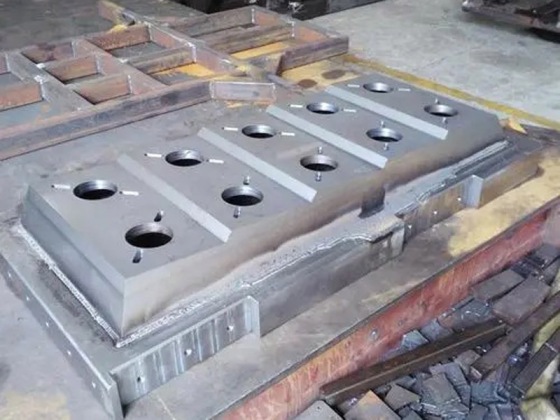
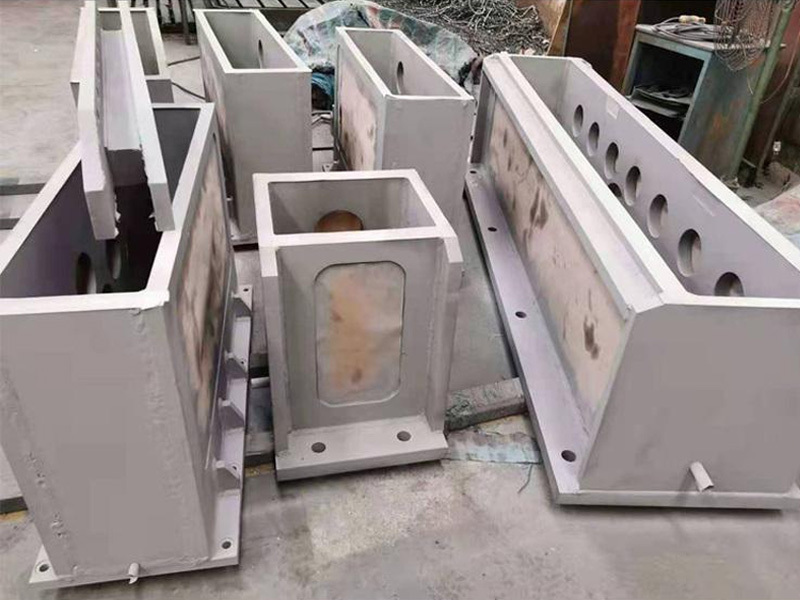
Gearbox manufacturing is a systematic project integrating blank forming, precision cutting, heat treatment, assembly, and inspection. It primarily revolves around three key components: the housing, gears, and shafts. During the blank forming stage, housings are typically produced through casting or forging processes, while gears and shafts are made from high-strength alloy steel to ensure fundamental mechanical properties. After forming, marking and positioning are required to indicate key machining locations such as split box surfaces and bearing holes, providing reference points for subsequent processing.
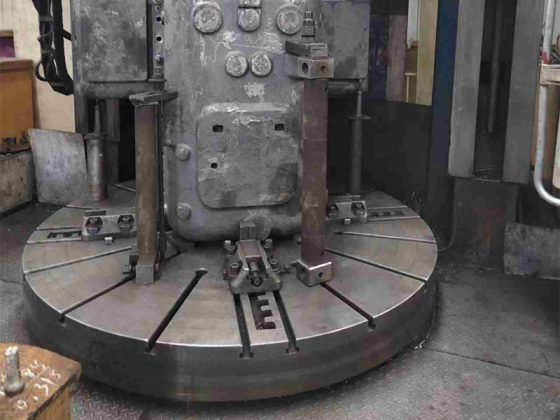
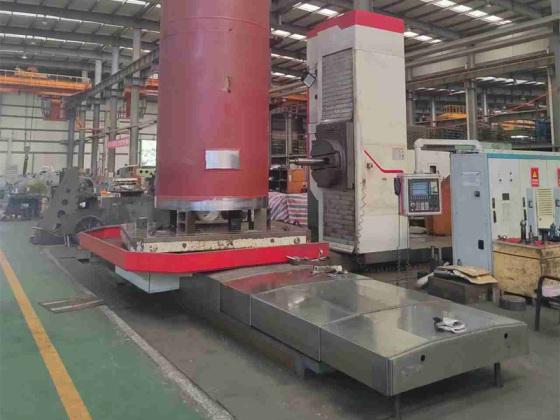
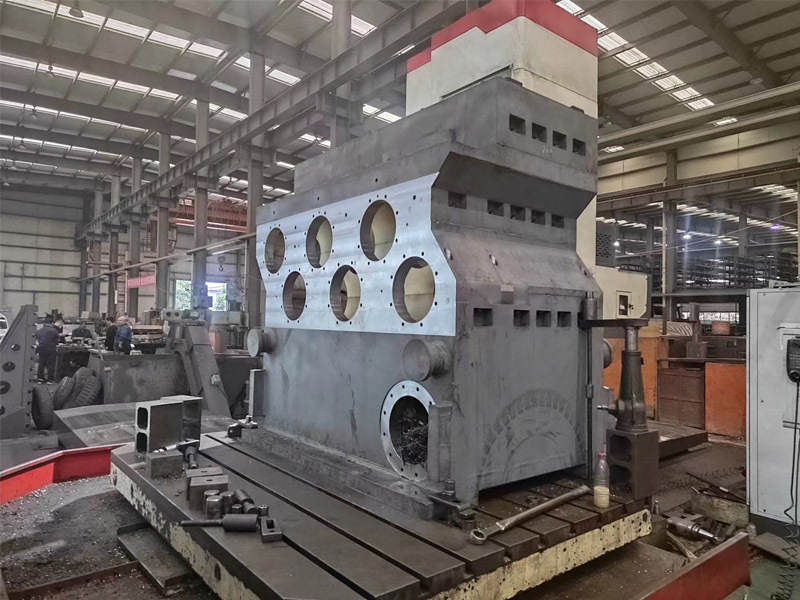
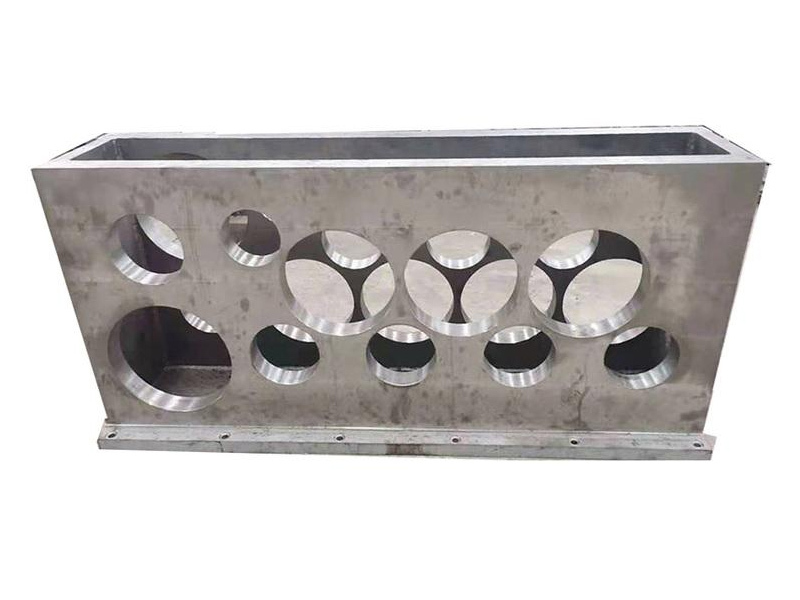
Housing machining is fundamental to ensuring the assembly precision of gearboxes. The process begins with rough milling of split box surfaces using horizontal milling machines and rough machining of bearing holes with boring and milling machines, leaving uniform machining allowances. Machining centers are then employed for fine milling of split box surfaces, using reference lines such as the centerline of large bearing holes on the upper housing and parallel lines of the split box surface to accurately position XYZ coordinates. To enhance subsequent fine boring precision, reference notches must be milled on the housing bore walls and end faces. After assembling the split box, a 3D edge finder is used for positioning, followed by fine boring of bearing holes to ensure hole system accuracy and flatness, thereby avoiding gear meshing deviations after assembly.
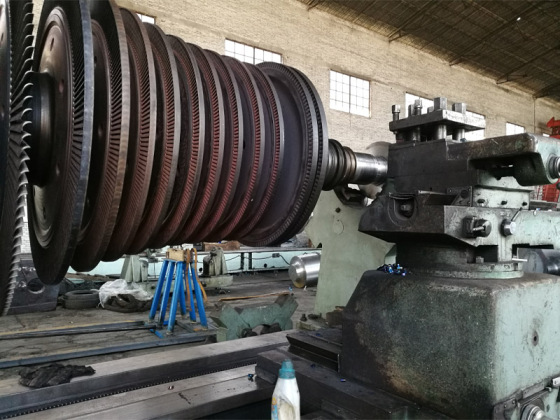
Shaft components, as the power transmission carriers in gearboxes, also require critical machining precision. Machining primarily involves turning, milling, and grinding, with precise control over journal dimensional accuracy and surface roughness to ensure tight compatibility with bearings and gears. This prevents operational vibrations or power transmission losses, laying a solid foundation for the overall transmission stability of the gearbox.
Assembly and inspection are the final stages of the manufacturing process and are equally critical to the gearbox's ultimate performance. Prior to assembly, components must be thoroughly cleaned to remove oil stains and metal debris, and coated with anti-rust oil. During assembly, the fit clearances of gears and bearings must be strictly controlled, using precise tightening torque and anti-loosening measures to prevent operational loosening. The inspection phase combines non-destructive testing and precision measurement technologies. Fiber optic borescopes are used to detect micro-cracks and foreign residues on gear surfaces, coordinate measuring machines verify dimensional accuracy, and dynamic simulations analyze meshing characteristics, ensuring the product meets design standards.
With advancements in industrial technology, gearbox manufacturing is evolving toward higher precision, efficiency, and intelligence. The application of CNC machining equipment and simulation technologies enables precise control of process parameters. Lightweight designs and the adoption of new materials reduce energy consumption while maintaining strength. Precise machining processes and stringent quality control together constitute the core value of gearboxes in transmission systems across various industries.