


News
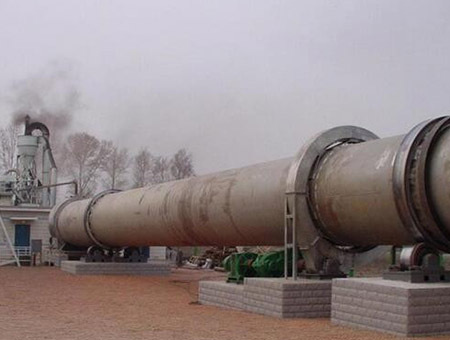
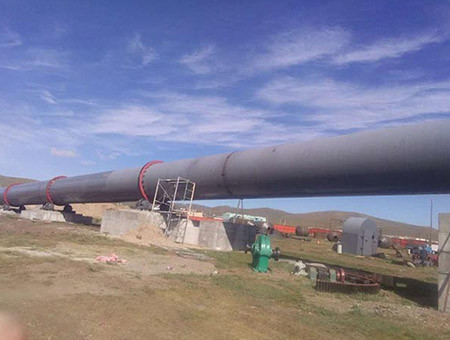
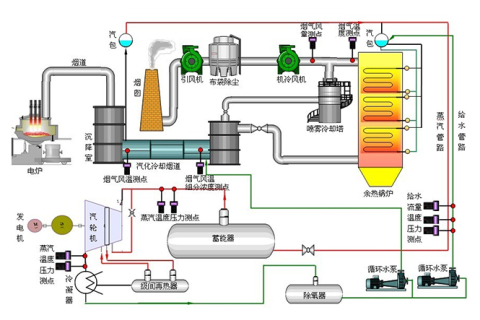
In industrial waste heat power generation projects, ORC (Organic Rankine Cycle) systems and conventional steam turbines are the two mainstream technology routes. Many customers in the metallurgy, chemical, and building materials industries often find themselves uncertain about equipment selection during the preliminary solution design stage. This article compares the advantages and disadvantages of the two technologies from multiple dimensions, including waste heat medium, temperature range, load characteristics, investment and maintenance, and applicable scenarios, providing a practical selection framework to help project owners identify the most economical and reliable waste heat power generation solution.
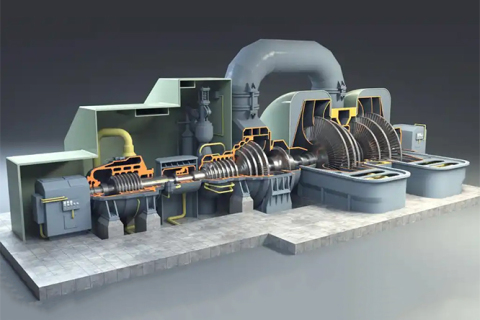
The core of commercial competition for small modular reactors (SMRs) ultimately comes down to the levelized cost of electricity (LCOE). Unlike conventional thermal power and large-scale nuclear steam turbines, SMRs are characterized by lower steam parameters and more prominent wet steam conditions, so mature turbine designs cannot simply be copied directly. This article examines, from four dimensions—flow path efficiency optimization, thermal system matching, modular integration, and operation and maintenance cost control—how the steam turbine island can reduce the full-lifecycle cost per kilowatt-hour of SMRs through the synergistic design of energy efficiency and economics, thereby supporting the market competitiveness of small modular reactors.
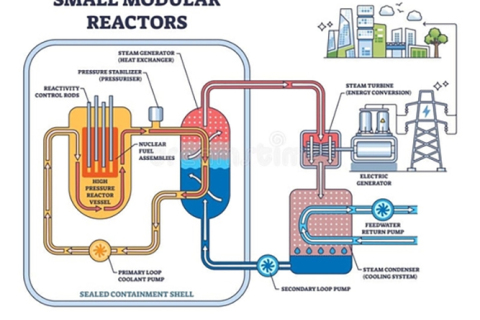
Small modular reactors (SMRs) are generally designed with an 80-year service life, far exceeding that of conventional thermal power units. As the core equipment for energy conversion, the steam turbine must withstand long-term service combined with multiple challenges such as wet steam corrosion, alternating loads, and radiation environments, which imposes stringent requirements on material selection, structural reliability, and aging assessment systems for key components including rotors, blades, fasteners, and seals. This article examines long-life design criteria, aging monitoring methods, and nuclear safety redundancy design, illustrating how SMR steam turbines can achieve safe operation for up to 80 years.
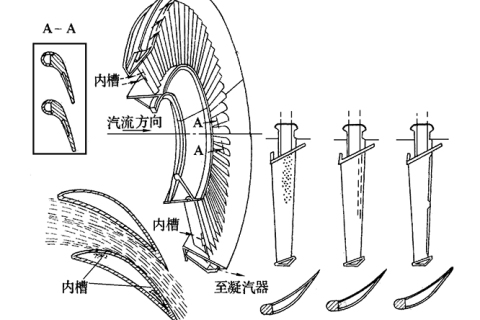
As the commercialization of Small Modular Reactors (SMRs) accelerates, the supporting steam turbines face the "wet steam" challenge of exhaust moisture exceeding 15% under near-saturated steam conditions, which can easily induce blade erosion and stress corrosion cracking. This article analyzes the design approach of SMR steam turbines that integrates thermal power full-speed shafting experience with nuclear power wet steam operating expertise, introduces protective measures such as moisture separator reheaters, shot peening, and slotted guide vane moisture removal, and discusses the 80-year ultra-long design life, nuclear safety protection, and reduction of levelized cost of electricity, presenting the technical roadmap of the new-generation modular steam turbines.
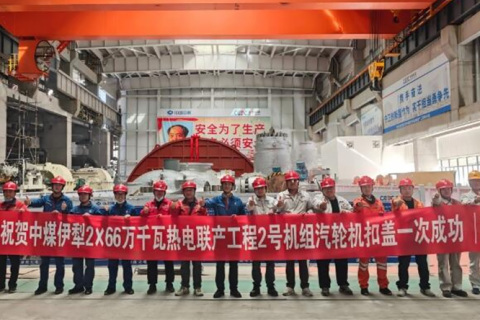
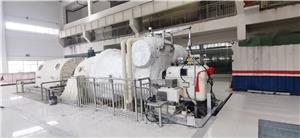
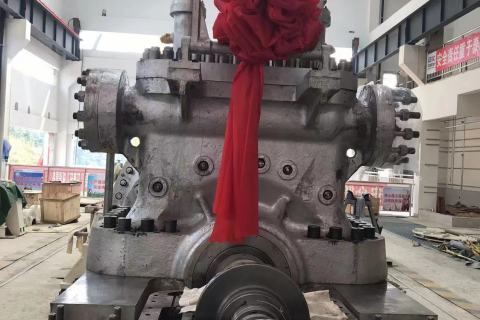
The No. 2 unit of a key power project in Xinjiang has successfully completed the steam turbine low-pressure cylinder casing closing operation on the first attempt. Casing closing is a core, highly challenging milestone in the main body installation, demanding stringent standards for internal cylinder cleanliness and assembly precision. The successful completion of this milestone marks a major phased breakthrough in the unit's steam turbine main body installation, with all core quality indicators inside the cylinder meeting the required standards. This lays a solid foundation for subsequent oil flushing and rolling test work, and fully demonstrates professional expertise in domestic steam turbine equipment assembly and on-site installation management and control.