

Waste Incineration Rotary Kiln
Waste Incineration Rotary Kiln
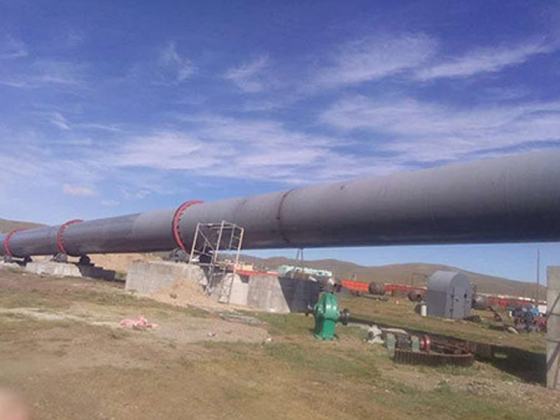
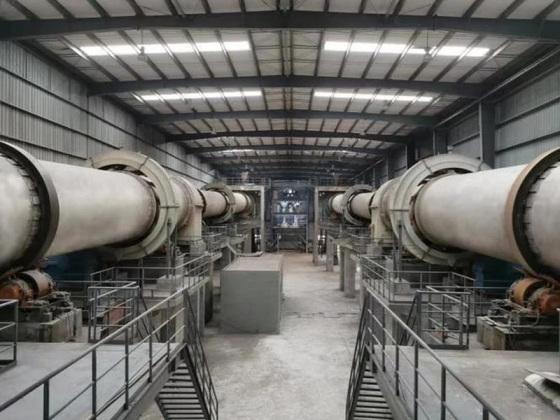
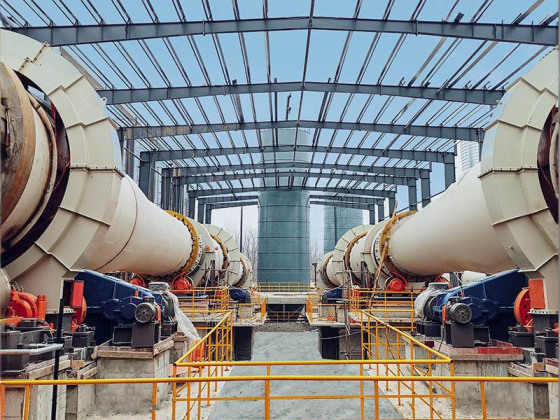
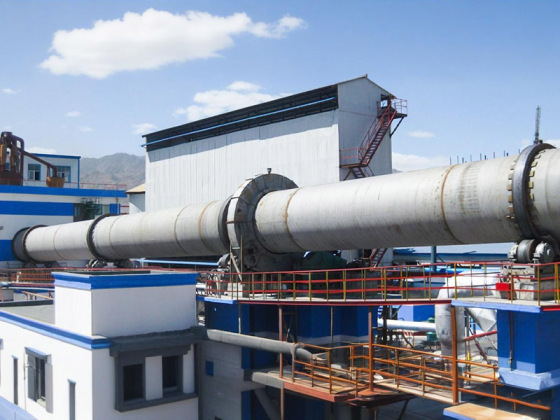
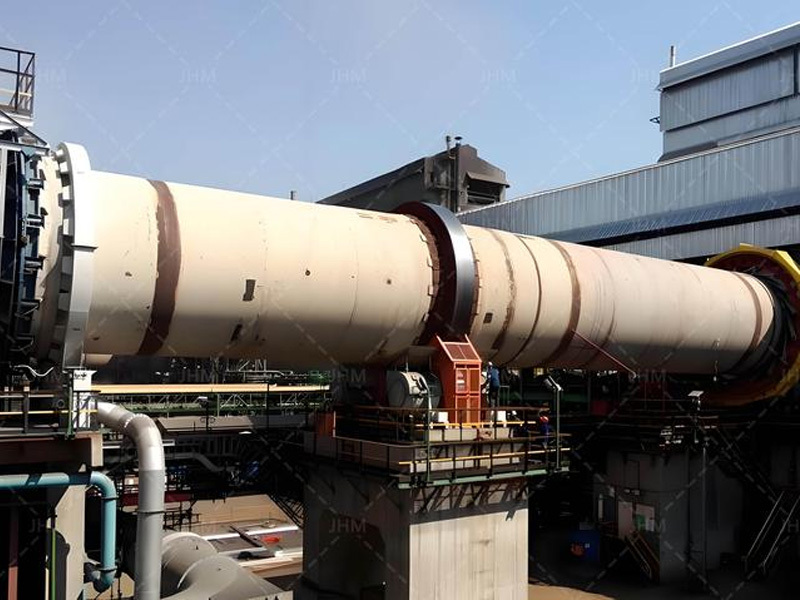
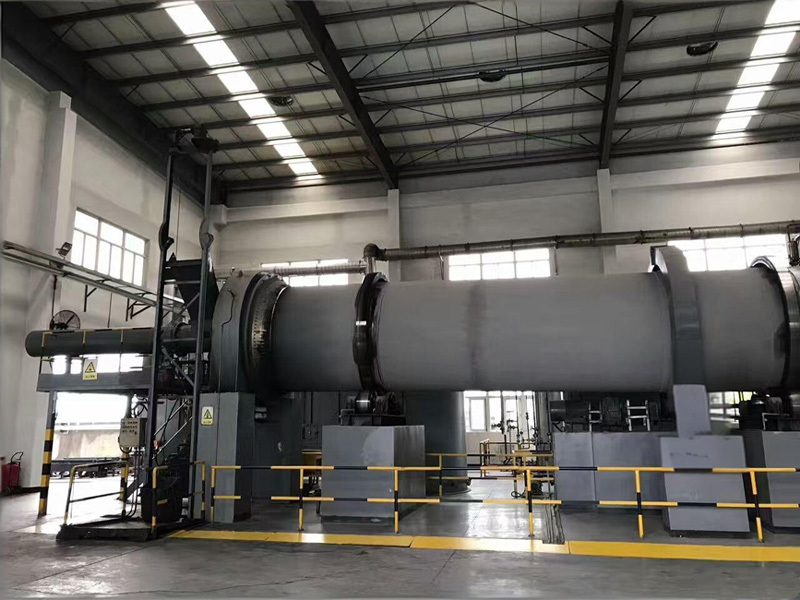
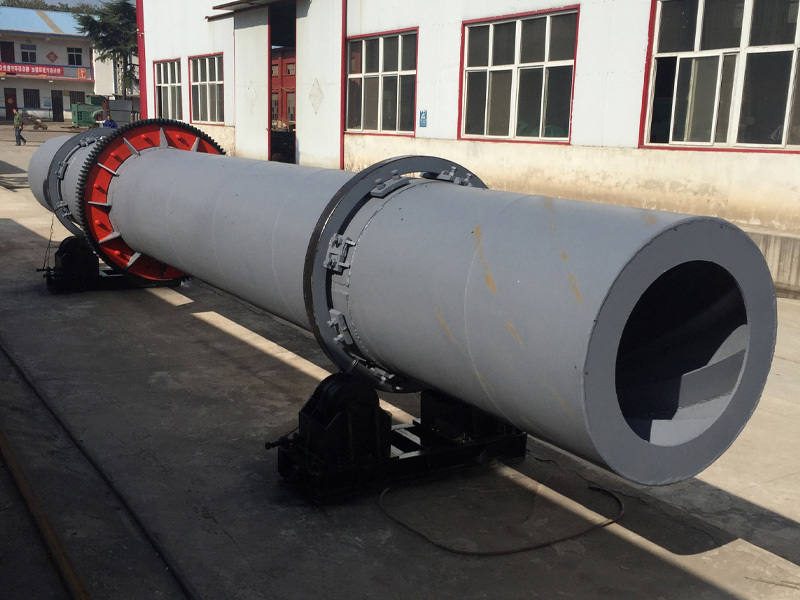
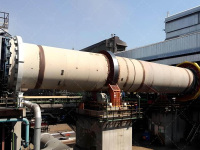
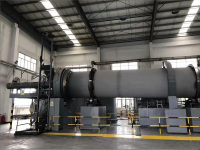
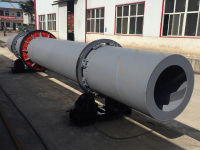
A waste incineration rotary kiln is a device used for incinerating solid waste. Its core structure consists of an inclined steel cylinder body lined with refractory material. Through rotation, it achieves continuous transfer and agitation of the waste, while the air supply system supports the combustion process. Its working principle is based on a continuous combustion process within the rotating cylinder, achieving waste reduction and harmless treatment through precise control of temperature, residence time, and turbulence intensity.
In addition to being suitable for incinerating high-calorific-value wastes such as waste oil, rotary kiln incinerators can also handle mixed incineration of sludge, waste liquids, and solid wastes. They are commonly used as industrial solid waste incinerators. Rotary kilns offer advantages such as long residence time and excellent thermal insulation. Moreover, the rotation ensures thorough agitation of the waste layer. Rotary kiln incinerators exhibit strong adaptability to variations in the waste being processed, making them an ideal incineration system for all types of waste.
- Luoyang Hanfei Power Technology Co., Ltd
- Henan, China
- Possesses complete, stable, and efficient supply capabilities for Rotary Kiln and their components.
- Information
Waste Incineration Rotary Kiln
A waste incineration rotary kiln is a piece of equipment used for incinerating solid waste. Its core structure consists of an inclined, cylindrical steel body lined with refractory material. The rotation of the kiln achieves continuous transfer and agitation of the waste, which, combined with an air supply system, completes the combustion process.
Working Principle and System Composition: The equipment operates by rotating the kiln body, causing the waste to tumble and move within the inclined furnace. The flue gas generated after high-temperature combustion enters a secondary combustion chamber to ensure complete oxidation of harmful gases. The system typically includes a feeding device, primary combustion chamber, secondary combustion chamber, waste heat boiler, wet scrubber, bag filter, and activated carbon adsorption unit, forming a complete flue gas purification chain.
Rotary kiln incinerators possess unique technical characteristics in the field of waste incineration, mainly reflected in structural design, process adaptability, operational efficiency, and environmental performance.
1.Advanced and Adaptable Structural Design: The main body of the rotary kiln is an inclined, rotating cylindrical shell. Slow rotation enables the tumbling and forward movement of the material, ensuring full contact between the waste and the high-temperature environment. The kiln interior is lined with refractory materials (such as high-alumina bricks or silicon carbide bricks) capable of withstanding temperatures above 1200°C and resisting corrosion. It is also equipped with a composite sealing system (e.g., a combination of graphite blocks and fish-scale plates) and hydraulic thrust devices, effectively controlling gas leakage and axial displacement of the kiln body. This structure allows it to handle various forms of waste, including solid refuse, liquid waste, and gaseous waste. Safety is enhanced through an inert gas (e.g., nitrogen) protection system and rapid shut-off valves in the feeding system.
2.Flexible Process Control and High Combustion Efficiency: The rotary kiln employs a three-stage temperature zone control (drying zone: 400-600°C, pyrolysis zone: 600-850°C, combustion zone: 850-1000°C). Precise temperature control is achieved by adjusting the ratio of primary to secondary air (typically 1:2) and the flow rate of auxiliary fuel. The residence time of material within the kiln can be co-adjusted by altering the kiln's inclination angle and rotation speed, adapting to different waste characteristics. Variable oxygen combustion technology automatically adjusts oxygen concentration based on load, improving combustion efficiency and reducing CO emissions.
3.Outstanding Environmental Performance and Efficient Flue Gas Purification: The flue gas post-incineration passes through the secondary combustion chamber to ensure complete combustion. It is then purified using a combined process of "SNCR denitrification + activated carbon adsorption + bag filtration + wet desulfurization/acid removal," achieving a denitrification efficiency of over 90%.
4.Balance of Economy and Applicability: Rotary kiln technology exhibits strong adaptability to waste properties and can process complex waste compositions such as hazardous waste, medical waste, and industrial waste. However, the equipment investment and operational costs are relatively high, particularly when treating waste with low calorific value and high moisture content.
In waste incineration, the rotary kiln serves as a core piece of equipment, enabling efficient incineration and treatment of waste through its rotating cylinder. Its functions are primarily reflected in the following aspects:
1.High-Temperature Incineration and Harmful Substance Decomposition: The inclined rotation of the rotary kiln causes waste to tumble and move within it. Combined with high temperatures (up to 1150°C) and air supply, combustion is completed. The secondary combustion chamber configured after the kiln ensures a flue gas residence time exceeding 2 seconds, allowing for full oxidation and decomposition of harmful gases such as dioxins, achieving waste reduction and harmless treatment.
2.Strong Adaptability: The equipment can handle various forms of waste, including solid, liquid, semi-solid, and waste containing high glass/silicon content. It demonstrates strong adaptability to changes in material composition and calorific value, making it particularly suitable for complex industrial hazardous waste and medical waste.
3.Resource Utilization: The waste heat generated during incineration can be recovered via a waste heat boiler for power generation or heating. Simultaneously, the ash and slag can be processed into raw materials for construction, promoting the transformation of waste into resources and aligning with the requirements of a circular economy.
4.Environmental Emission Control: The system is equipped with dust removal equipment, activated carbon adsorption, and a rapid quench system, enabling effective control of dust and harmful gas emissions and ensuring that flue gas indicators meet environmental standards.