


Medium Temperature Rotary Kiln
Medium-Temperature Rotary Kiln
A medium-temperature rotary kiln is a rotating cylindrical device used for high-temperature calcination, widely applied in industries such as building materials, chemicals, metallurgy, and environmental protection. It is suitable for processing various materials, including ceramic pellets, ultra-fine kaolin, bauxite, and fly ash.
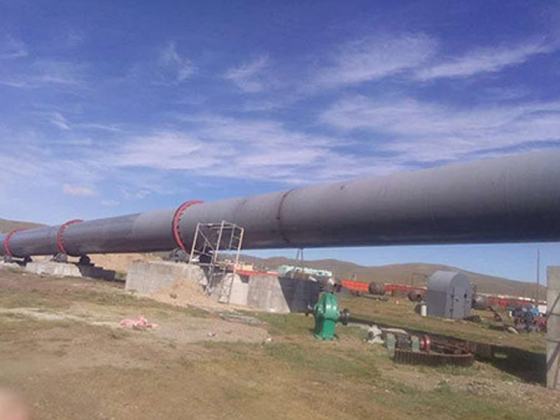
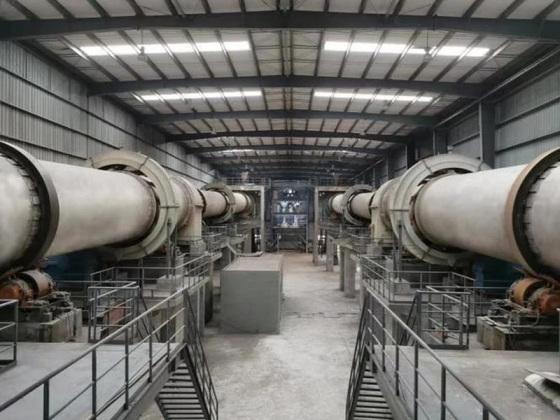
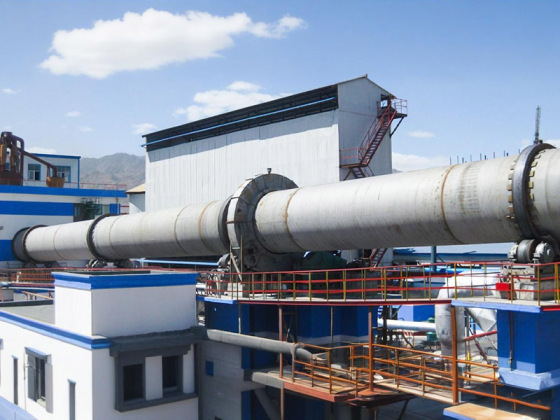
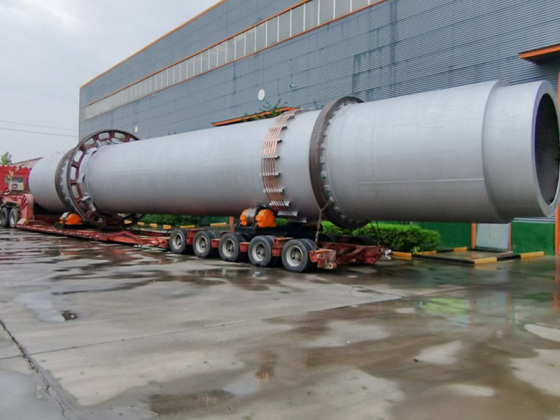
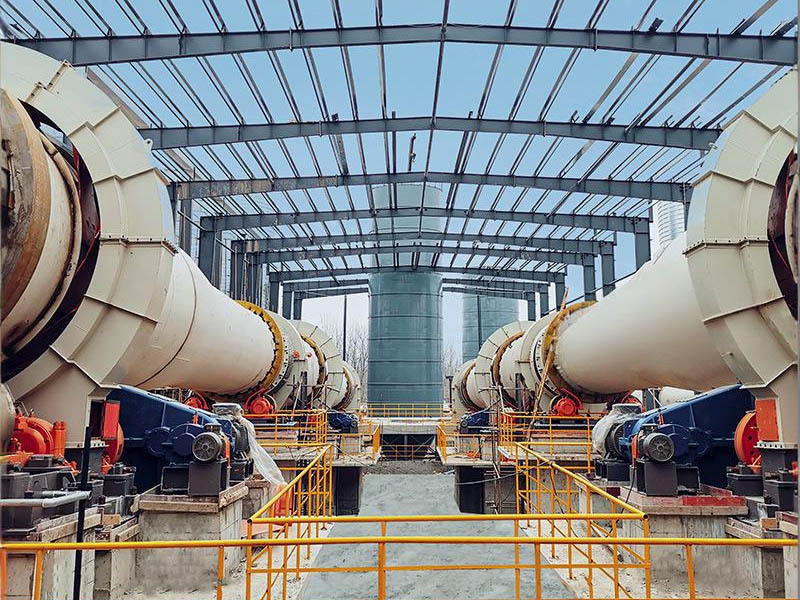
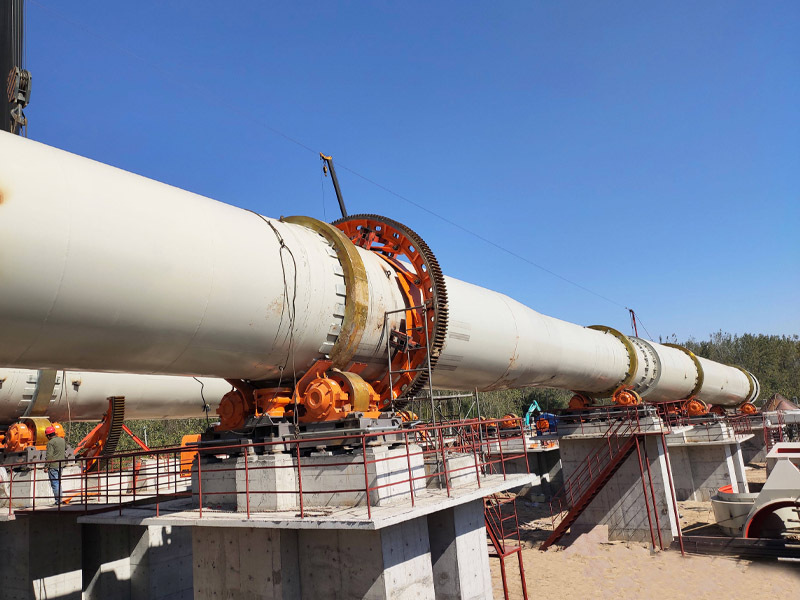
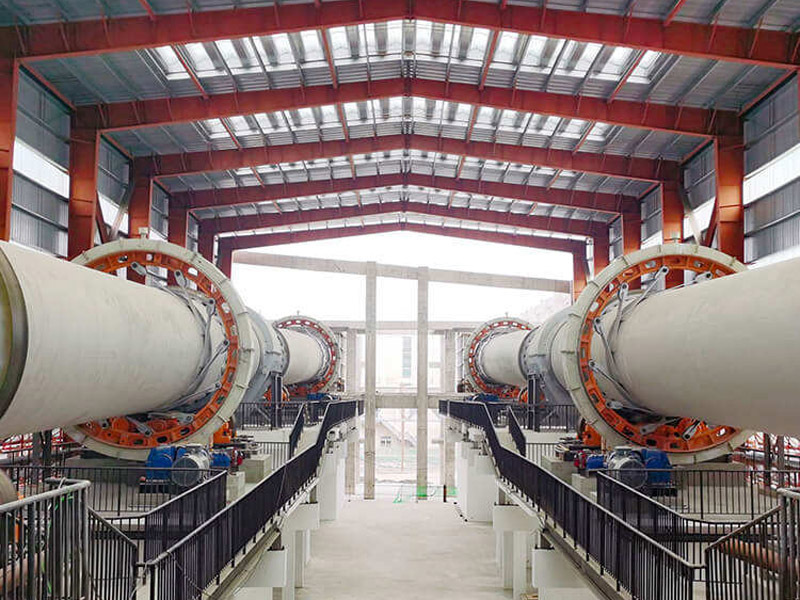
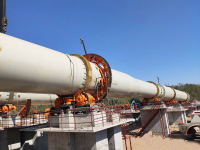
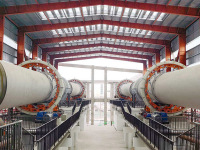
The main structure of the medium-temperature rotary kiln comprises a rotating cylinder, supporting devices, sealing mechanisms, and a transmission system. The kiln body is installed at an incline (with a slope of approximately 3°–4%) and is supported by riding rings while being driven by primary and auxiliary transmission systems to ensure the composite motion of materials inside the cylinder. The kiln head adopts a shell-cover sealing mechanism, and the kiln tail utilizes an axial contact sealing system, effectively reducing heat loss and dust leakage. The transmission section is equipped with both primary and auxiliary drive devices to prevent kiln body deformation in the event of a power interruption.
- Luoyang Hanfei Power Technology Co., Ltd
- Henan, China
- Possesses complete, stable, and efficient supply capabilities for Rotary Kiln and their components.
- Information
Medium-Temperature Rotary Kiln
A medium-temperature rotary kiln is a rotating cylindrical high-temperature device primarily used for the high-temperature calcination of various powdered, granular, or lump materials. Its core function is based on uniform heating and physicochemical reactions within the rotating kiln body.
The core structure of a medium-temperature rotary kiln includes the rotating cylinder, supporting devices, transmission system, sealing devices, and burners. The kiln body is installed at an inclination of approximately 3°, supported by riding rings, and driven to rotate slowly by the transmission system. Materials inside the kiln undergo heating, reaction, and cooling processes as the cylinder turns. The equipment is typically equipped with an automatic temperature control system, secondary air waste heat recovery technology, and sealing devices at the kiln head and tail to ensure operational stability and thermal efficiency.
Medium-temperature rotary kilns integrate technologies such as secondary air waste heat recovery and vertical preheaters to further reduce heat consumption. Advanced sealing technology at the kiln head and tail minimizes cold air ingress, stabilizes the thermal regime, and is complemented by pulse-jet dust collectors to meet environmental emission standards. The equipment supports the resource utilization of solid wastes, such as treating sludge and fly ash. Derived types include variable-diameter kilns and indirectly heated kilns, catering to the needs of different-scale production lines.
The main functions of a medium-temperature rotary kiln include calcination, roasting, drying, and heat exchange.
1.Calcination and Roasting: High temperatures induce decomposition or oxidation-reduction reactions in materials. For example, in metallurgy, metal ores (such as bauxite) are roasted to remove impurities or sulfur, or in the chemical industry, to produce catalyst carriers.
2.Drying: Effectively evaporates moisture or volatiles from materials, commonly used for processing moist materials like clay or pulverized coal.
3.Heat Exchange and Conveyance: The inclined rotation of the kiln body promotes material tumbling, enabling efficient heat exchange with hot gases while simultaneously conveying the material.
Its main features include:
1.Low energy consumption and high thermal efficiency, achieved through waste heat recovery technology to minimize energy waste.
2.High processing capacity per unit volume, with long service life and high operational rates.
3.Stable operation, high heat transfer efficiency, and low heat loss.
4.Utilization of an internal heating calcination process suitable for various material treatments like dehydration, decarbonization, and whitening.
Medium-temperature rotary kilns are widely used in multiple industrial sectors:
1.Building Materials Industry: For calcining materials like expanded clay aggregates and ultra-fine kaolin, used in products for papermaking, coatings, etc.
2.Metallurgical and Chemical Industries: For processes such as oxidizing roasting or reduction roasting of iron concentrates.
3.Environmental Protection Sector: Capable of treating industrial solid wastes like sludge and fly ash for resource utilization.
Compared to other rotary kilns, the medium-temperature rotary kiln focuses more on the medium-temperature range, making it suitable for material processing requiring precise temperature management, such as the whitening process for ultra-fine kaolin. The technology is relatively mature domestically and represents the development direction in related fields.
The operational characteristics of medium-temperature rotary kilns include controllable temperature, high processing efficiency, and strong adaptability. By adjusting the kiln rotation speed, inclination angle, and combustion system, the residence time of materials and heating uniformity can be precisely controlled, making it suitable for large-scale continuous production. Its refractory material structure can stably maintain the medium-temperature environment, reducing energy consumption.