

Energy Saving Rotary Kiln
Energy-Saving Rotary Kiln
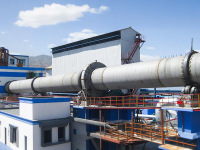
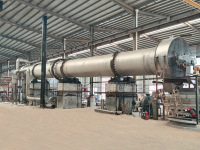
An energy-saving rotary kiln is an industrial device specifically optimized to reduce energy consumption, primarily used for high-temperature processing of solid materials, such as calcination, roasting, or chemical reactions. Through optimized design to minimize energy usage, it is widely applied in fields like cement production and metallurgy. Its working principle is based on the efficient integration of thermal processes, with the core objectives of ensuring complete fuel combustion, effective heat transfer, and thorough material reactions, while minimizing energy loss. Its key function is to maintain production efficiency while utilizing advanced technologies to reduce heat waste, thereby conserving energy and lowering operational costs.
Our company provides customized energy-saving and environmentally friendly rotary kiln equipment. Featuring a new energy-efficient and eco-friendly design, our kilns can be tailored to specific dimensional requirements. Advanced manufacturing processes ensure reliable quality, resulting in a 10% increase in production capacity compared to traditional equipment. The equipment operates stably with energy-saving and environmental benefits, featuring minimal vibration and low noise during production, effectively improving the working environment. Backed by an experienced technical team, we offer comprehensive service and support to our customers.
- Luoyang Hanfei Power Technology Co., Ltd
- Henan, China
- Possesses complete, stable, and efficient supply capabilities for Rotary Kiln and their components.
- Information
Energy-Saving Rotary Kiln
The energy-saving rotary kiln is a high-temperature industrial device specifically designed to reduce energy consumption. It is primarily used for continuous calcination, roasting, or chemical processing of solid materials. By optimizing its structure and process parameters, it significantly reduces energy usage while ensuring production efficiency. It is widely applied in fields such as building materials, metallurgy, chemical industry, and environmental protection.
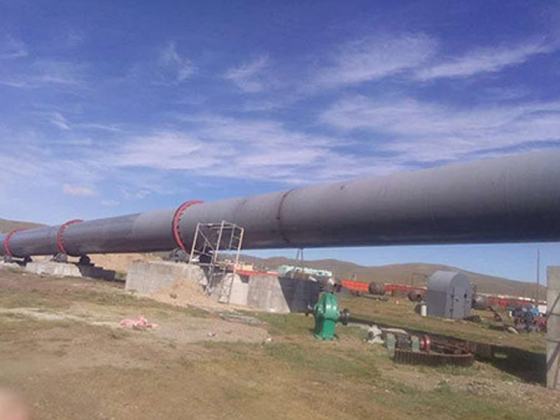
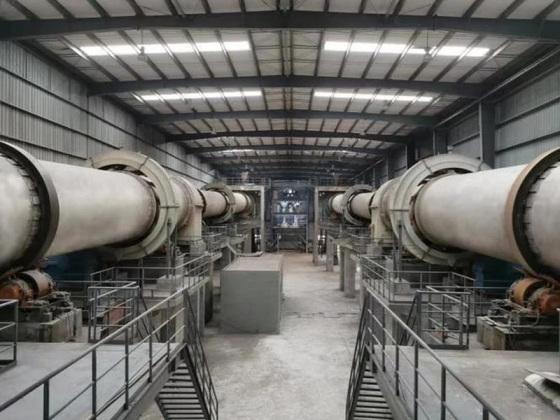
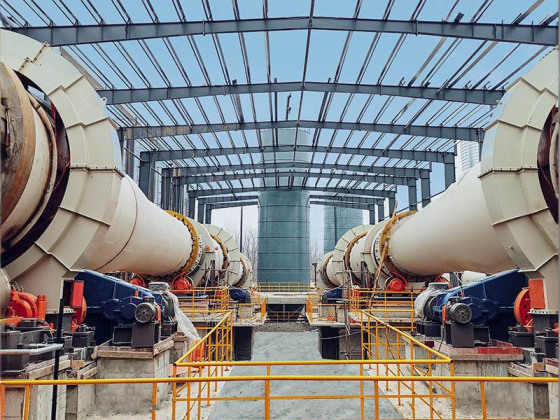
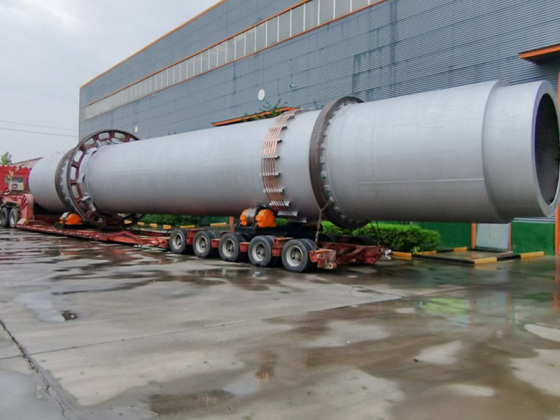
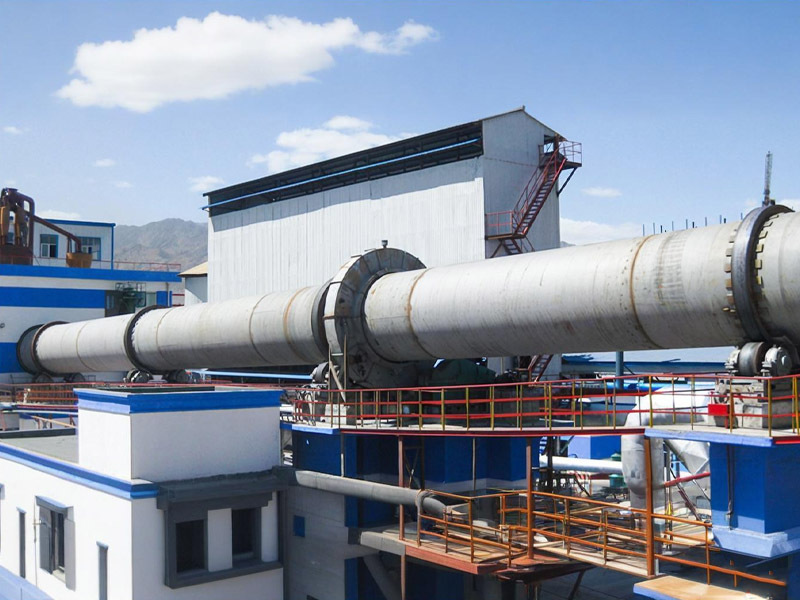
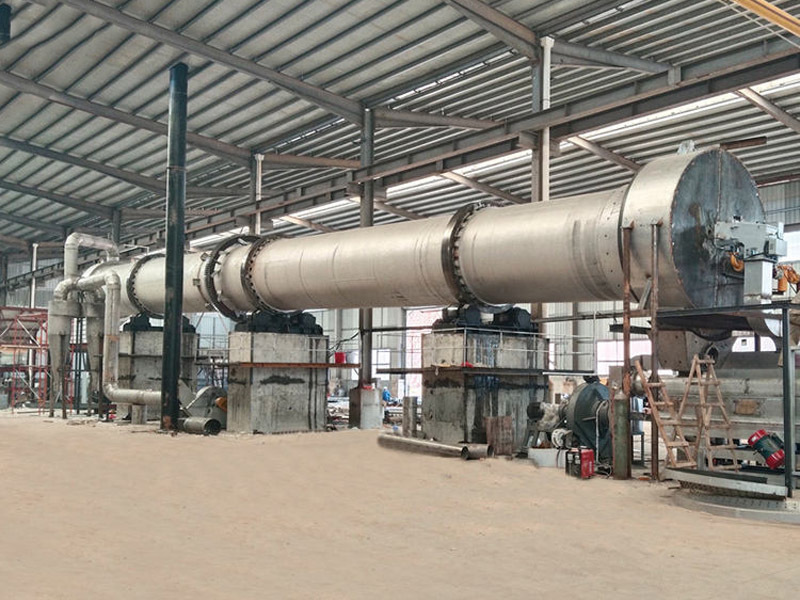
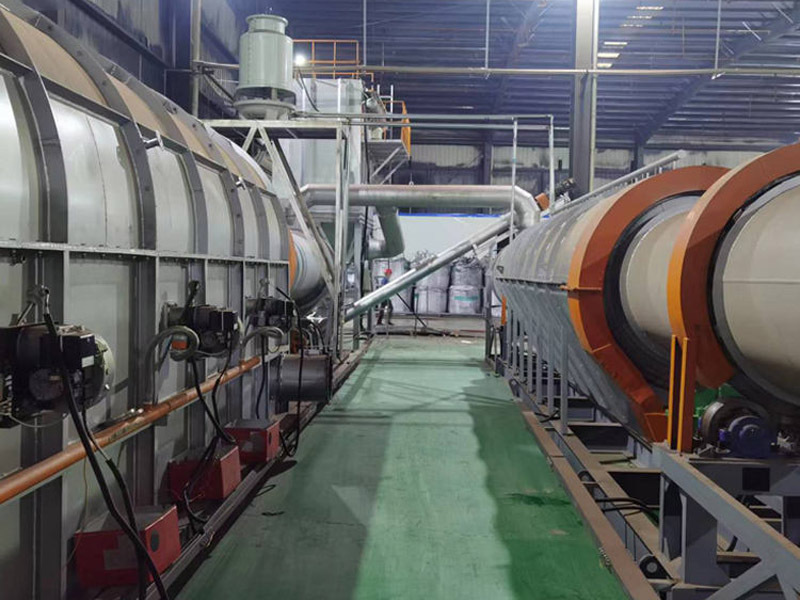
The core features of the energy-saving rotary kiln lie in its high-efficiency energy-saving design and key technological innovations. Its structure includes a rotating kiln shell (lined with refractory materials), riding rings, support rollers, and other components. The kiln body is typically installed at an incline of approximately 3.5% and rotates to achieve uniform heating and continuous operation of the materials, with operating temperatures reaching up to 1350°C. Its energy-saving characteristics are mainly reflected in the improvement of thermal efficiency. For example, vertical preheaters are used to preheat materials and reduce heat loss, or electrified control systems are employed to precisely regulate the combustion process. Some advanced models achieve system energy efficiency improvements of over 10% compared to traditional equipment.
The energy-saving rotary kiln enhances energy efficiency through structural optimization, advanced heating technologies, and system integration. Its features are mainly demonstrated in the following aspects:
1.Efficient Heating and Precise Temperature Control: Utilizes technologies such as electric heating or electromagnetic heating to achieve direct heating and rapid temperature rise. The comprehensive energy efficiency can exceed 90%, saving 20%-40% of energy compared to traditional methods. It offers high-precision temperature control, reducing over-burning or under-burning, thereby improving product quality stability.
2.Optimized Structural Design: For instance, the variable-diameter rotary kiln extends the material residence time by 15%-20% by expanding the diameter of the calcination zone, promoting complete fuel combustion. Its heat consumption can be lower than 1200 kcal/kg. Combined sealing devices reduce air leakage rates to below 10%, minimizing heat loss.
3.System Integration and Waste Heat Recovery: Equipped with vertical preheaters and coolers. The preheater increases the decomposition rate of limestone entering the kiln to 20%-30%, while the cooler preheats secondary air to over 700°C. The waste heat recovery rate exceeds 60%, reducing overall energy consumption.
4.Material and Process Adaptability: Uses composite refractory materials to reduce radiant heat loss and is suitable for processing various materials (such as limestone, ores, ceramics), demonstrating wide adaptability in metallurgy, building materials, and other fields.
5.Environmental and Operational Benefits: Operates with no waste gas or wastewater emissions, significantly reducing carbon emissions. Long-term operation can offset the high initial investment through energy savings, and maintenance costs are relatively low.
Its application areas cover multiple industrial scenarios, mainly including:
Cement Production: Serves as the core equipment in the "two grinding, one burning" process for raw meal calcination, with dry-process rotary kilns becoming mainstream due to their lower energy consumption.
Metallurgy and Chemical Industry: Used in processes such as magnetization roasting of lean iron ore and oxidation roasting of chromium-nickel ores, improving metal recovery rates.
Environmental Protection Sector: Enables co-processing of hazardous waste and municipal solid waste, combining clean utilization technologies to reduce pollutant emissions.
New Energy: Plays a key role in green lithium extraction from lithium ores and clean coal utilization.