


- Home
- >
- Products
- >
- Cement Rotary Kiln
- >
Cement Rotary Kiln
Cement Rotary Kiln
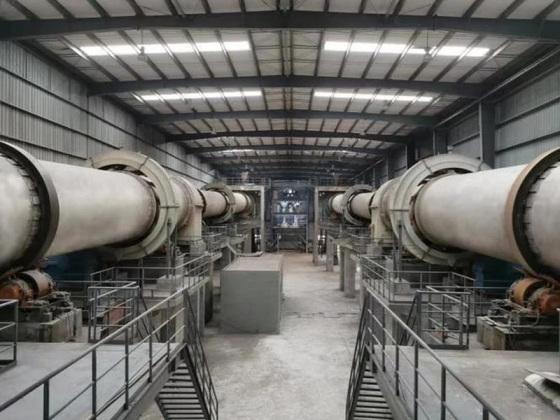
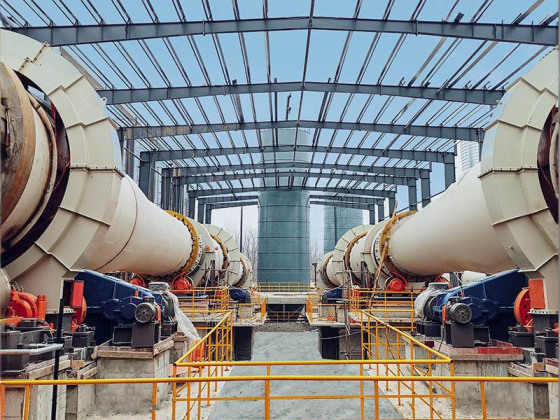
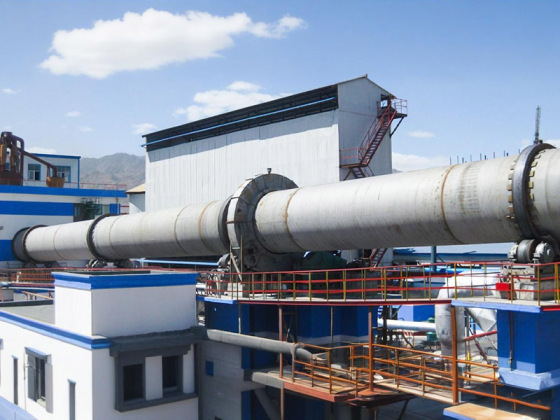
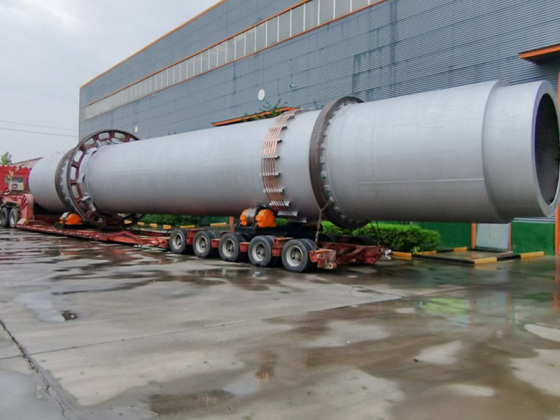
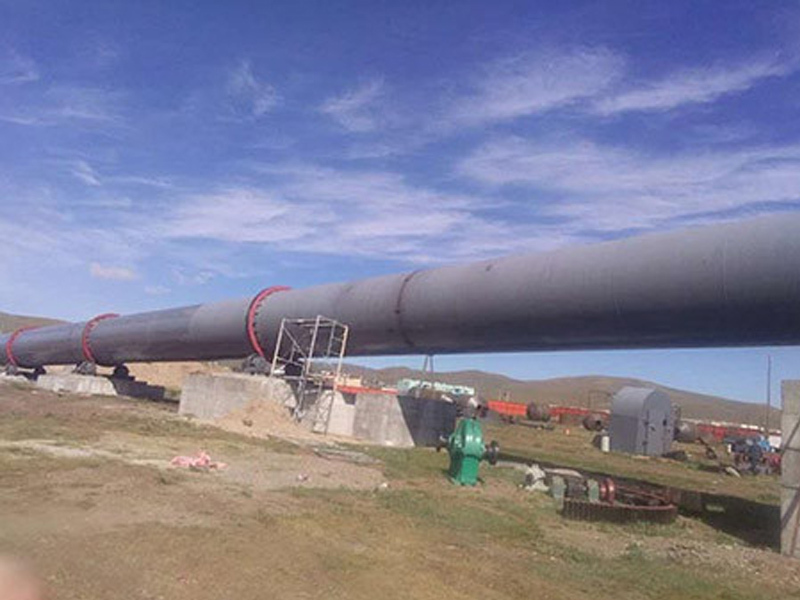
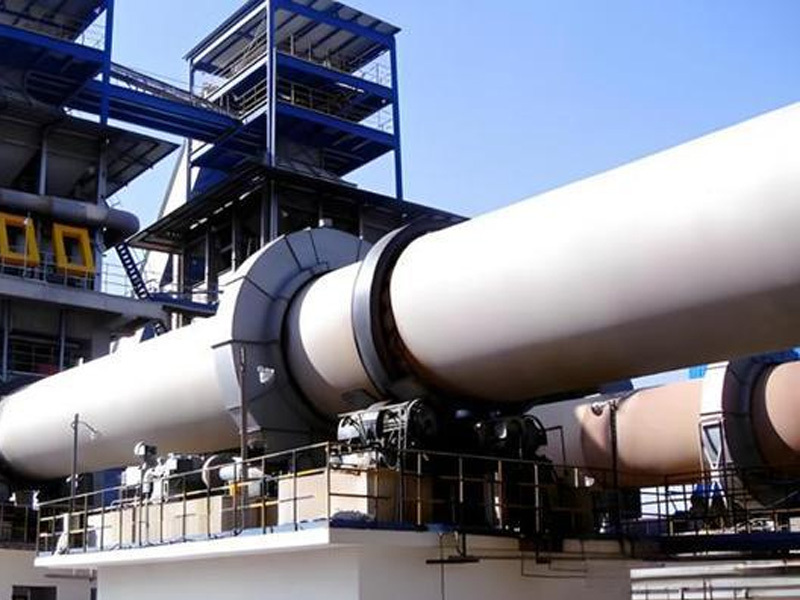
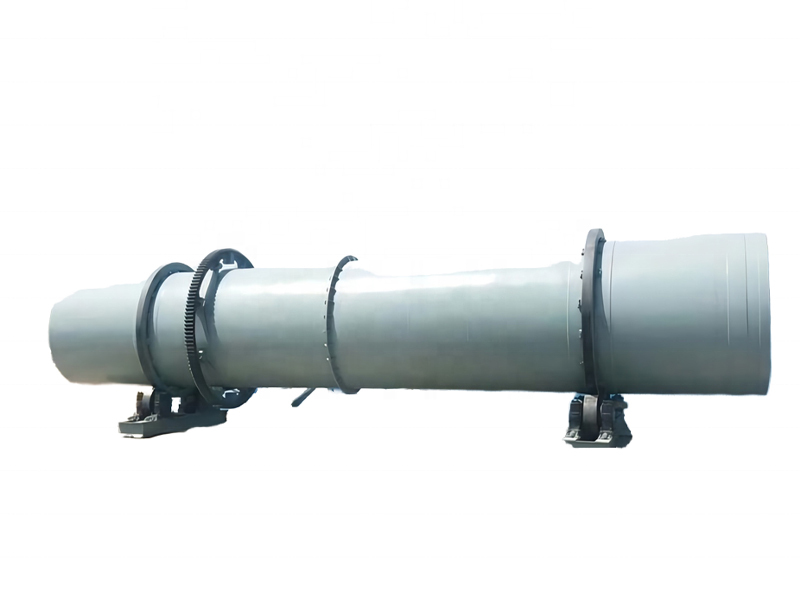
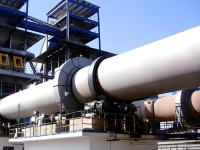
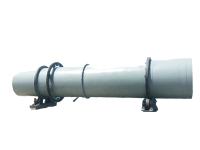
The cement rotary kiln is a type of lime kiln in building materials equipment, mainly used for calcining cement clinker. It consists of a cylinder, supporting devices, transmission devices, etc. The kiln body is inclined and supported by riding rings, equipped with main and auxiliary transmission systems to ensure stable operation under high temperatures.
It offers the advantages of high efficiency and increased production, stable and low-noise operation, and is complemented by professional technical support.
Core Features:Customizable specifications and dimensions according to requirements.Reliable quality ensured through advanced manufacturing processes, with a 10% increase in production capacity compared to traditional equipment.
Performance Advantages:Stable operation with minimal vibration and low noise during production, effectively improving the working environment.
Technical Support and Service Assurance:Equipped with an experienced technical team capable of providing comprehensive service support to customers.
- Luoyang Hanfei Power Technology Co., Ltd
- Henan, China
- Possesses complete, stable, and efficient supply capabilities for Rotary Kiln and their components.
- Information
Cement Rotary Kiln
The cement rotary kiln is a type of lime kiln in building materials equipment, primarily used for calcining cement clinker. It serves as a core equipment in both dry-process and wet-process production lines and finds applications in cement manufacturing, metallurgy, chemical industry, and environmental protection. In hazardous waste treatment, it achieves harmless disposal through high-temperature incineration, converting harmful components into cement clinker constituents, thereby offering environmental benefits. The kiln consists of a cylinder, supporting devices, transmission devices, and other components. The kiln body is installed at an incline and supported by riding rings, equipped with main and auxiliary transmission systems to ensure stable operation under high temperatures.
A cement rotary kiln is a slow-rotating, steel cylindrical vessel lined with refractory material, designed for calcining cement clinker. It is set at a specific incline, supported by several pairs of supporting rollers via riding rings mounted on the cylinder. Driven by an electric motor or hydraulic transmission, the cylinder rotates within a defined speed range. Raw materials are fed from the high end (kiln tail) and move toward the low end (kiln head). Fuel is injected from the low end, generating a flame that heats the raw materials into clinker. Flue gases are discharged from the kiln tail. The rotary kiln is the most critical thermal equipment in the cement industry.
Operating under high-temperature conditions with heavy loads, alternating stress, and slow rotation, the maintenance of auxiliary equipment and the control of thermal parameters are crucial for the safety and efficiency of the rotary kiln. Maintenance of the transmission system focuses on equipment lubrication, operating conditions, dynamic monitoring, and the meshing accuracy of the large and small gears. The installation precision of the supporting devices determines the safe and reliable operation of the kiln. During operation, attention should be paid to properly controlling the load distribution among supporting rollers, their arrangement, the pressure and duration of the hydraulic thrust roller's upward and downward movements, the stress on the rollers, and the clearance between the riding rings and base plates. The effectiveness of the sealing device directly impacts the kiln’s thermal efficiency and operating costs. Strengthening the organization and analysis of daily maintenance data is beneficial for equipment management.
The working principle of a cement rotary kiln involves conveying materials through its incline and rotation, calcining them at high temperatures, discharging the final product, and recycling dust for reuse.
1.Material Conveyance and Calcination Process:
The rotary kiln is set at a specific incline. As the kiln rotates, materials move from the high end to the low end. Fuel is injected from the kiln head and combusts to generate high temperatures. The materials absorb heat, undergo physical and chemical changes, and are eventually calcined into the final product before being discharged.
2.Flue Gas and Dust Treatment:
A gas chamber is installed at the kiln tail. Dust from the flue gas settles into ash hoppers, and the collected material can be returned to the production process for resource recycling.
The functional and structural characteristics of a cement rotary kiln can be summarized as follows:
1.The cylinder structure is an inclined cylindrical shape with an incline ranging from 3% to 3.5%.
2.Material movement relies on the incline and rotation of the cylinder to achieve forward conveyance.
3.Multifunctional integration is reflected in three aspects:
As a combustion device, it completes the process of pulverized coal combustion and heat generation.
As a heat transfer device, it enables raw materials to absorb heat from the flue gas for calcination.
As a conveying device, it continuously transports materials from the feed end to the discharge end.
The heat transfer mechanism involves pulverized coal injection and combustion at the kiln head to generate high temperatures, with heat transferred to the materials through various heat transfer methods.