

Aluminum Oxide Rotary Kiln
Aluminum Oxide Rotary Kiln
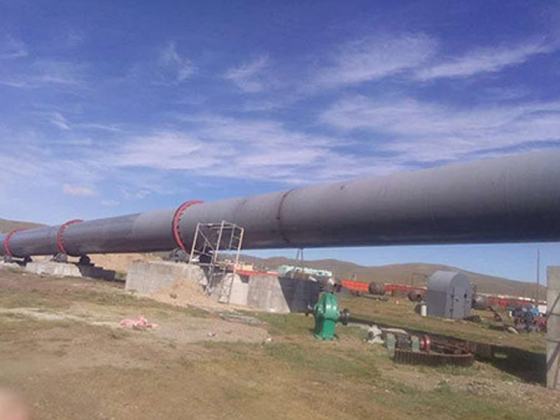
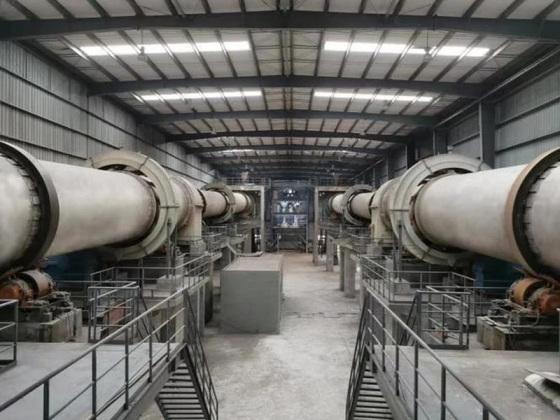
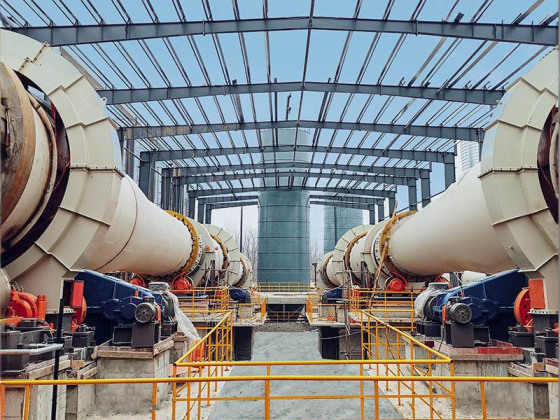
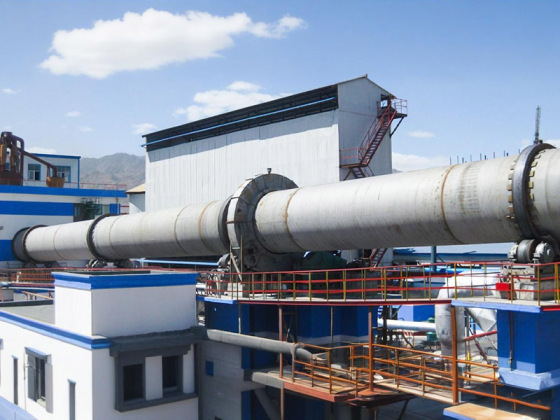
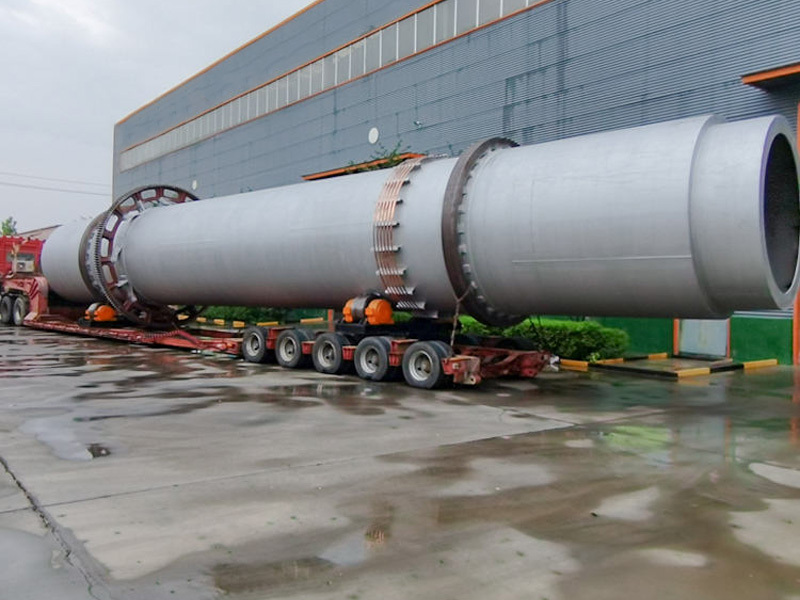
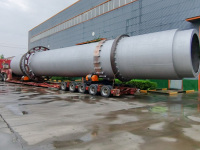
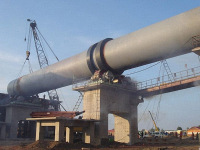
The alumina oxide rotary kiln is the core calcination equipment in alumina production, primarily used for high-temperature processing of raw materials such as bauxite and aluminum hydroxide. It facilitates physical and chemical changes including dehydration, crystalline transformation, and thermal decomposition, ultimately converting the materials into high-purity alumina products.
During operation, materials are fed into the kiln from the rear end. The kiln body is inclined and rotates slowly, allowing the materials to move axially from the high-temperature end to the lower end. Simultaneously, fuel is combusted at the kiln head to provide heat, ensuring uniform heating and thorough reaction of the materials.
- Luoyang Hanfei Power Technology Co., Ltd
- Henan, China
- Possesses complete, stable, and efficient supply capabilities for Rotary Kiln and their components.
- Information
Aluminum Oxide Rotary Kiln
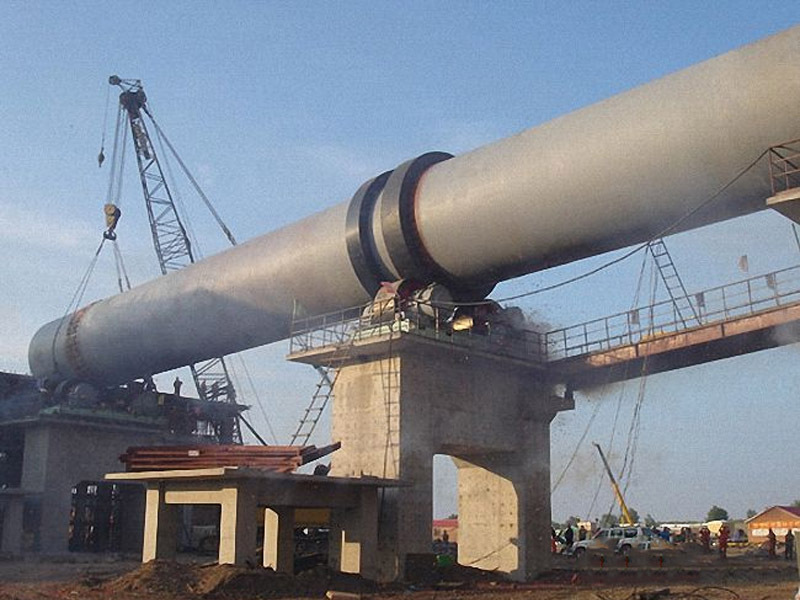
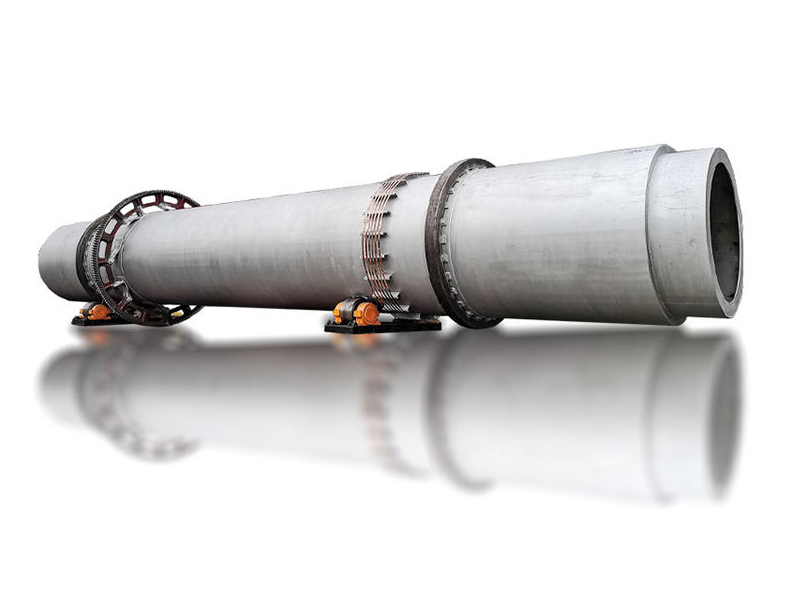
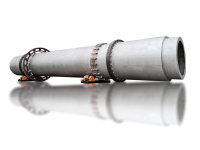
An alumina oxide rotary kiln is a piece of equipment that calcines materials at high temperatures through the inclined rotation of its cylinder. It is primarily used to convert aluminum hydroxide or raw meal into activated alumina clinker. Its core principle involves utilizing the cylinder's slow rotation and inclined angle to allow the material to move axially from the higher end to the lower end under gravity. During this movement, it undergoes full heat exchange and chemical reactions with the counter-flowing hot flue gas.
An alumina oxide rotary kiln is a thermal processing device used for the high-temperature calcination of aluminum hydroxide or bauxite. As the core calcination equipment in alumina production, it is mainly employed for the high-temperature treatment of raw materials such as bauxite and aluminum hydroxide. This process achieves physical and chemical changes like dehydration, crystal phase transformation, and pyrolysis, ultimately converting them into high-purity alumina products.
1.High-Efficiency Processing: Features a large cylinder capacity and high thermal efficiency, enabling continuous large-scale production with output ranging from several tons to thousands of tons per hour.
2.Strong Adaptability: Exhibits excellent adaptability to alumina materials with different moisture levels and hardness, producing high-purity finished products.
3.Eco-Friendly Design: Equipped with sealing and dust removal devices to minimize dust pollution and ensure stable operation.
4.Optimized Structure: Constructed with high-temperature-resistant materials and automated controls, simplifying operation and facilitating maintenance.
Working Principle: The operation of an alumina oxide rotary kiln is based on the mechanism of heterogeneous heat and mass transfer. Material is fed into the kiln from the tail end (higher end), while fuel is injected and combusted at the head end (lower end). The cylinder is installed at an inclination angle of 3%-4% and typically rotates at a low speed. As the kiln rotates, the material tumbles circumferentially and moves axially along the cylinder. Hot flue gas exits from the kiln tail, creating a counter-current heat exchange with the material to ensure efficient heat transfer. This process subjects the material to a series of physical and chemical changes such as drying, dehydration, and phase transformation, ultimately converting it into alumina clinker.
An alumina oxide rotary kiln is a key piece of equipment for calcining alumina. Its design and operation are optimized for high-temperature processes and feature the following characteristics:
1.High Efficiency, Energy Saving, and Stable Operation: Utilizes a bearing drive system, significantly reducing energy consumption. Compared to similar equipment, it achieves approximately 30% energy savings and increases production capacity by up to 50%. Its rational structural design, including support rollers, riding rings, and hydraulic drive devices, ensures smooth operation. It is equipped with an auxiliary drive system to handle emergencies like power outages, enhancing operational flexibility and reliability.
2.Wide Range of Applications: Suitable not only for alumina calcination but also for various roasting processes in the metallurgical industry, such as magnetization roasting of lean iron ore, oxidation roasting of chromium and nickel-iron ores, as well as processing refractory materials and chemical raw materials. This demonstrates the equipment's multifunctionality.
3.Advanced Working Principle and Process Control: The kiln body is installed at a slight inclination. Material enters from the higher end and, through tumbling and axial movement within the cylinder, achieves full contact with the hot gas flow, completing the heat and mass transfer process. The process encompasses stages like drying, preheating, decomposition, clinkering, and cooling. However, process variables (such as temperature and air volume) are strongly coupled, presenting control challenges including difficult detection, significant time delays, and nonlinearity. Regulation still largely relies on operational experience.
4.Modular Structural Design: Mainly consists of the rotating cylinder, supporting devices, sealing systems, and coal injection pipe devices. The kiln head and tail are made of high-temperature-resistant materials and are effectively sealed to minimize heat loss. The cylinder interior is lined with refractory bricks and is driven to rotate via a large girth gear and pinion, ensuring stable operation in high-temperature and high-pressure environments.