

Low Temperature Rotary Kiln
Low-Temperature Rotary Kiln
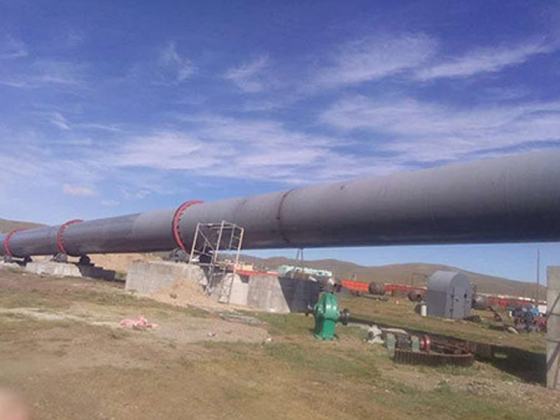
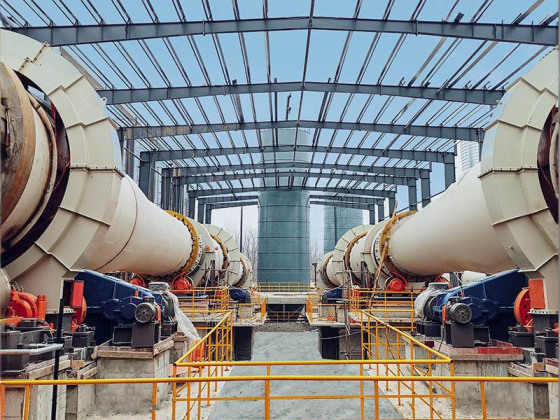
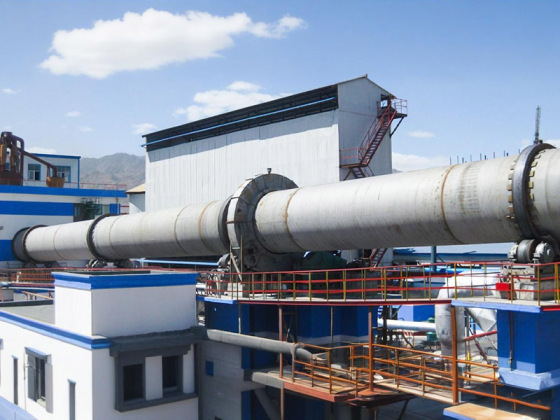
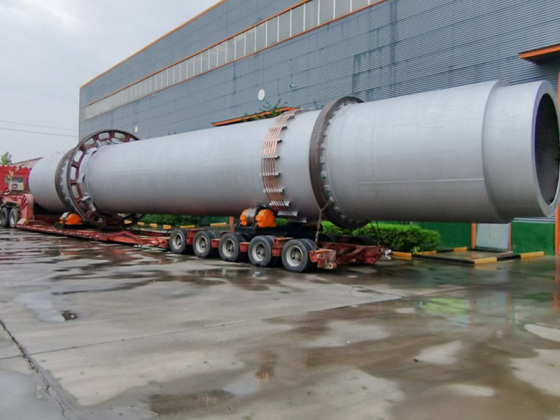
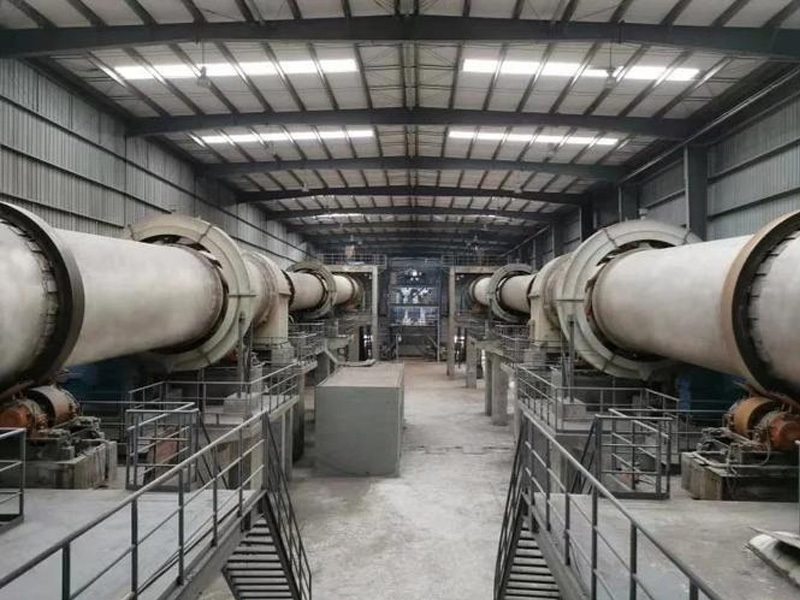
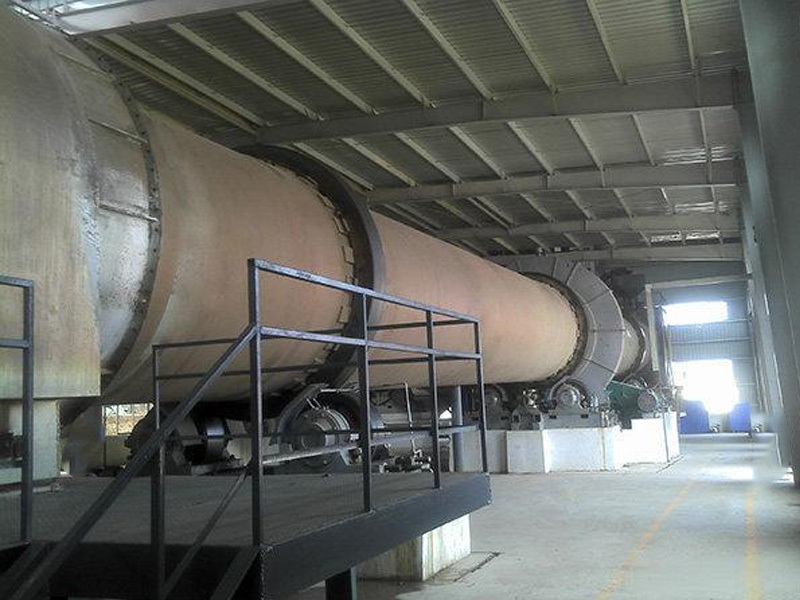
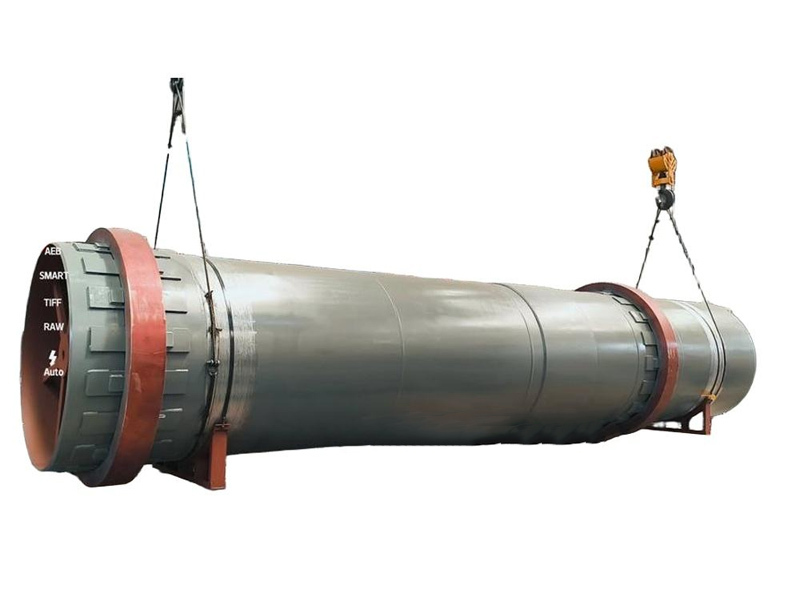
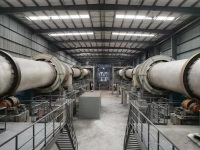
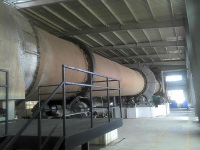
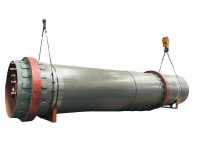
The low-temperature rotary kiln is a continuously operating industrial furnace. Its working principle primarily involves the rotation of the kiln cylinder, ensuring uniform heating of the materials inside. Under low-temperature conditions, the materials undergo a series of physical and chemical reactions to meet the required process specifications. When processing various materials, the low-temperature rotary kiln offers advantages such as high efficiency, increased production, stable and low-noise operation, and is complemented by professional technical support.
Core Product Features:Utilizes a new energy-saving and environmentally friendly design, with customizable specifications and dimensions according to needs.Ensures reliable quality through advanced manufacturing processes, achieving a 10% increase in production capacity compared to traditional equipment.
Performance Advantages:Stable operation with energy efficiency and environmental benefits, featuring minimal vibration and low noise during production, effectively improving the working environment.
Technical Support and Service Assurance:Equipped with an experienced technical team capable of providing comprehensive service support to customers.
- Luoyang Hanfei Power Technology Co., Ltd
- Henan, China
- Possesses complete, stable, and efficient supply capabilities for Rotary Kiln and their components.
- Information
Low-Temperature Rotary Kiln
As an important industrial equipment, the low-temperature rotary kiln is widely used in metallurgy, chemical industry, building materials, and other fields. With its unique working principle and significant advantages, it occupies an indispensable position in modern industrial production.
Working Principle of the Low-Temperature Rotary Kiln
The low-temperature rotary kiln is a continuously operating industrial furnace. Its working principle mainly involves the rotation of the kiln cylinder to ensure uniform heating of materials inside. Under low-temperature conditions, the materials undergo a series of physical and chemical reactions to meet the required process specifications. This working principle enables the low-temperature rotary kiln to achieve high efficiency, uniform heating, and energy savings when processing various materials.
Main Application Areas of the Low-Temperature Rotary Kiln
1.Metallurgical Industry: In the metallurgical industry, the low-temperature rotary kiln is primarily used for processes such as roasting, reduction, and smelting of ores. By controlling the temperature and atmosphere inside the kiln, effective extraction of metals and improved purity can be achieved.
2.Chemical Industry: In the chemical industry, the low-temperature rotary kiln is mainly used for calcination and synthesis reactions of various chemical raw materials. In the high-temperature environment of the kiln, raw materials undergo a series of complex chemical reactions to produce the desired chemical products.
3.Building Materials Industry: In the building materials industry, the low-temperature rotary kiln is widely used in the production of materials such as cement and ceramics. Through high-temperature calcination in the kiln, hardening and performance enhancement of materials can be achieved.
Advantages of the Low-Temperature Rotary Kiln Compared to Traditional Kilns
1.Energy Efficiency and High Performance: The low-temperature rotary kiln adopts advanced thermal technology and energy-saving measures, resulting in lower energy consumption and higher thermal efficiency during production. This not only reduces production costs but also enhances the economic benefits of enterprises.
2.Environmental Protection and Emission Reduction: Compared to traditional kilns, the low-temperature rotary kiln has advantages in emission control. By utilizing advanced environmental protection technologies and equipment, effective control and reduction of kiln emissions can be achieved, thereby minimizing environmental pollution.
3.Ease of Operation: The low-temperature rotary kiln features a high degree of automation and user-friendly operation. This enables workers to perform tasks more easily and safely during operation, improving both production efficiency and product quality.
In summary, with its unique working principle, wide range of applications, and significant advantages, the low-temperature rotary kiln plays an increasingly important role in modern industrial production.