

- Home
- >
- Products
- >
- Small Rotary Kiln
- >
Small Rotary Kiln
Small Rotary Kiln
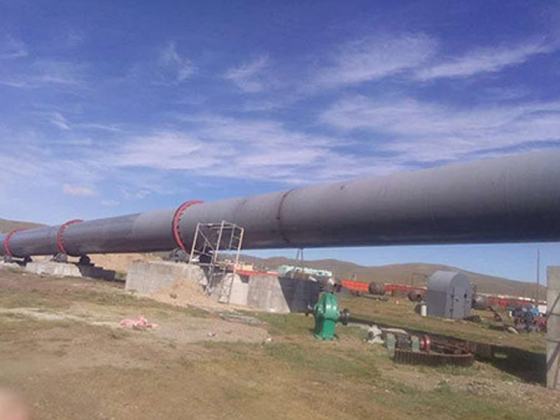
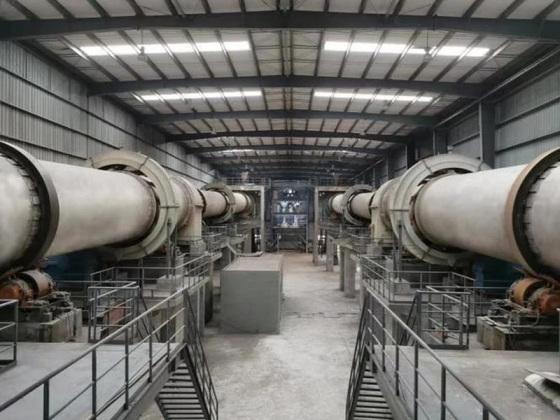
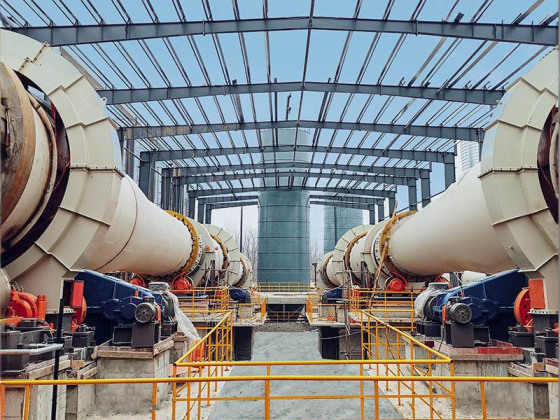
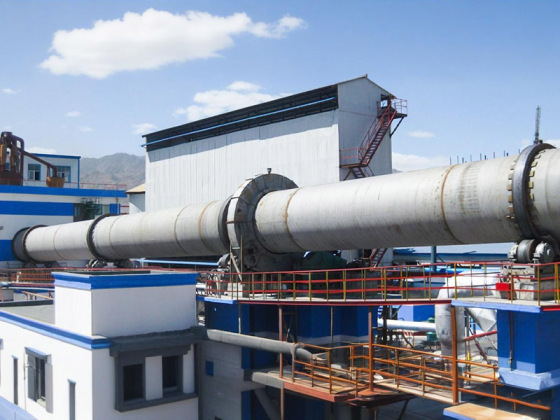
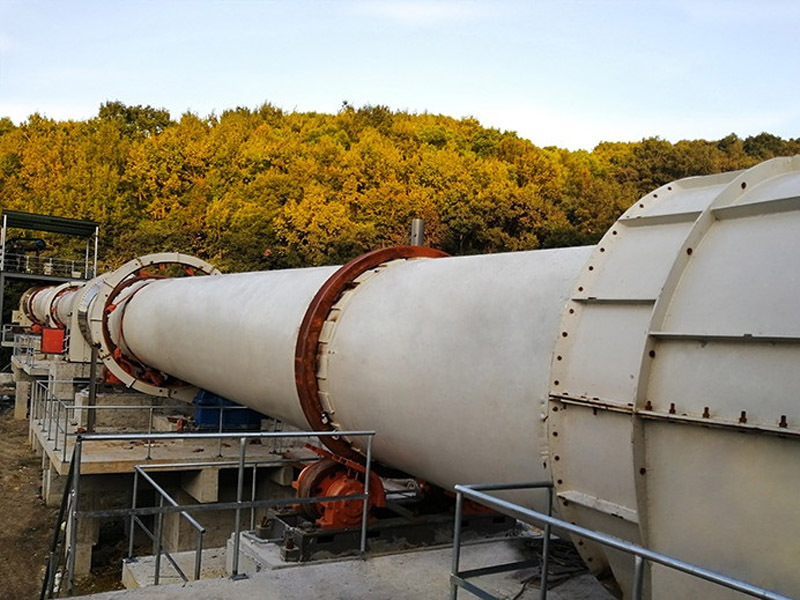
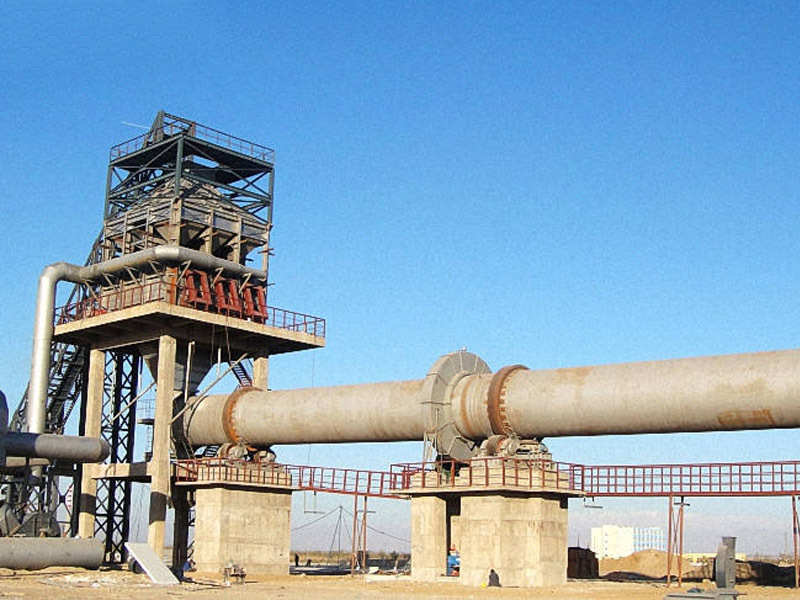
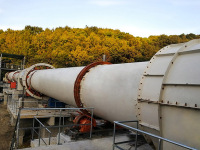
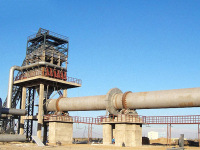
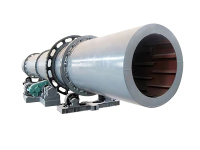
A small rotary kiln is a type of equipment used for high-temperature processing of solid materials. As a rotary kiln with a relatively compact size, lower production capacity, and more affordable price, its function is based on continuous heating within a rotating cylinder, making it suitable for various industrial applications. Despite its compact size, it offers robust performance and can efficiently accomplish tasks such as high-temperature processing, material calcination, and resource recovery.
The advantages of small rotary kilns lie in their broad adaptability, low energy consumption, and operational flexibility. They are well-suited for small to medium-scale production, pilot workshops, or distributed processing scenarios, playing a significant role in areas such as resource recovery and specialized material manufacturing.
- Luoyang Hanfei Power Technology Co., Ltd
- Henan, China
- Possesses complete, stable, and efficient supply capabilities for Rotary Kiln and their components.
- Information
Small Rotary Kiln
The small rotary kiln is a core high-temperature calcination equipment designed for small to medium-scale production, experimental R&D, or distributed processing scenarios, aptly regarded as a "compact powerhouse" in the industrial field. Despite its compact size and moderate capacity, it is fully functional and capable of efficiently performing critical tasks such as material calcination, high-temperature processing, and resource recovery. With advantages including low infrastructure investment, operational flexibility, and outstanding cost-effectiveness, it is widely adaptable to multiple industries such as metallurgy, chemical engineering, environmental protection, and building materials. Its production technology has matured, with some performance indicators approaching international standards, making it the preferred equipment for small and medium-capacity enterprises and research institutions.
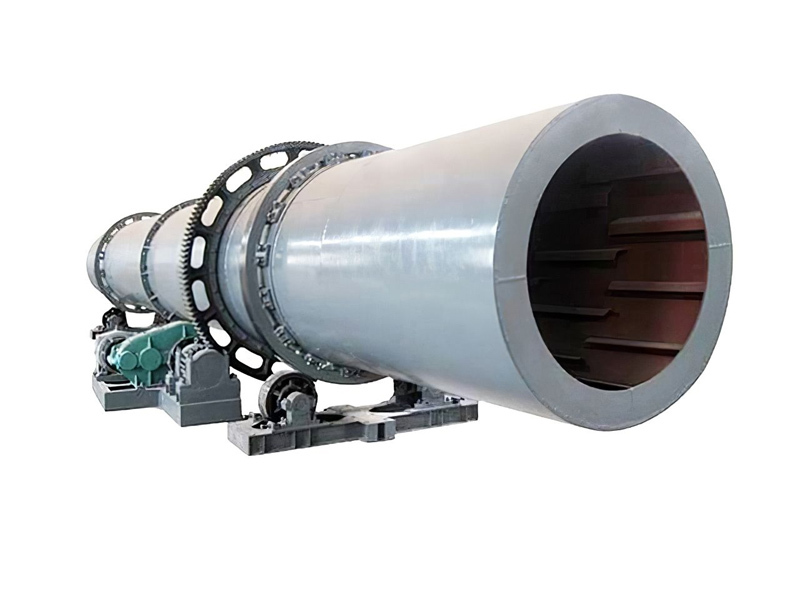
In terms of structural design, the small rotary kiln features a scientifically rational and modular layout, facilitating transportation and installation. Its core components include the kiln head, kiln tail sealing device, thrust roller assembly, rotating cylinder, support structure, riding roller assembly, and coal injection pipe assembly, among others.
The rotating cylinder is made of high-temperature-resistant alloy steel, offering excellent properties such as heat resistance, corrosion resistance, and high strength, which can extend the equipment's service life by 1.5 times while reducing hot gas leakage and energy waste. The cylinder is installed at an incline on the riding rollers, typically with an inclination angle of around 3°, combined with an adjustable rotation speed design to precisely control material residence time and ensure thorough reaction. The sealing system provides critical assurance for stable operation, effectively preventing heat loss and gas leakage, thereby further enhancing thermal efficiency. Additionally, the equipment is equipped with dust and noise suppression devices, controlling pollution from the source to align with green production requirements.
Its working principle adheres to the core logic of "inclined rotation drive + countercurrent heat exchange", while being adapted to small-scale operational needs. During operation, raw materials such as ores or ceramic pellets enter the cylinder from the kiln tail (high end) via a preheater. Driven by the cylinder's slow rotation and inclined angle, the materials undergo a compound motion of "circumferential tumbling + axial movement"—ensuring full contact with high-temperature gases while advancing uniformly toward the kiln head (low end).
Inside the kiln, materials undergo staged processing: in the preheating section, moisture and volatile components are removed to prepare for subsequent reactions; in the calcination section, core chemical reactions such as ore decomposition or material sintering are completed under precise temperature control. Finally, the clinker is discharged from the kiln head and cooled in a cooler. The equipment is equipped with a precise temperature control system, allowing accurate regulation of the internal temperature, which can reach up to 1600°C. Meanwhile, optimized heat transfer design ensures efficient heat exchange between high-temperature gases and materials, enhancing calcination efficiency and product quality.
The application scenarios of the small rotary kiln are diverse and highly targeted. Based on types, it can be categorized into specialized models for ceramic pellets, metallurgy, chemical engineering, lime, and building materials, each tailored to different industry needs:
• In the metallurgical industry, it is used for small-scale magnetizing roasting of iron ore and processing of metal minerals.
• In the building materials industry, it handles materials such as ceramic pellets, kaolin, limestone, and quartz.
• In the chemical field, it is suitable for small-batch calcination and preparation of specialty chemicals.
• In the environmental sector, it can be employed for small-scale hazardous waste treatment and resource recovery.
Moreover, its compact structure and flexible operation make it particularly suitable for R&D pilot workshops, providing a stable high-temperature processing platform for new material development and process optimization. In terms of capacity parameters, the small rotary kiln is ideal for scenarios with limited space and modest output requirements, with significantly lower infrastructure and equipment investment costs compared to large-scale equipment.
The core advantages of the small rotary kiln are concentrated in four dimensions: adaptability, cost-effectiveness, stability, and environmental performance.
1. Broad Adaptability: It can process various materials and adapt to different process requirements by adjusting parameters such as temperature and rotation speed. It is suitable for both continuous small to medium-scale production and decentralized operations.
2. High Efficiency and Energy Savings: With a high degree of mechanization and, for some models, waste heat utilization technology, energy consumption is reduced by approximately 30% compared to traditional equipment. Its low heat loss rate also helps keep operating costs manageable.
3. Ease of Operation and Maintenance: Featuring a compact structure, stable operation, and low failure rates, it requires minimal maintenance and offers long continuous operation periods, significantly reducing upkeep costs.
4. Outstanding Cost-Effectiveness: Its manufacturing cost and price are relatively economical, with minimal space requirements and a short investment payback period, enabling small and medium-capacity enterprises to generate returns quickly. With the integration of smart technologies, the temperature control precision and operational convenience of small rotary kilns continue to improve, further solidifying their core position in the field of small to medium-scale high-temperature processing.