

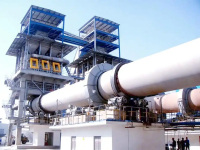
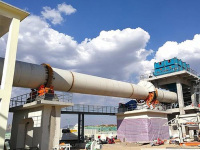
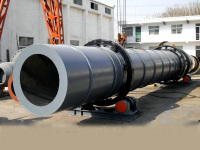
Reduction Iron Rotary Kiln
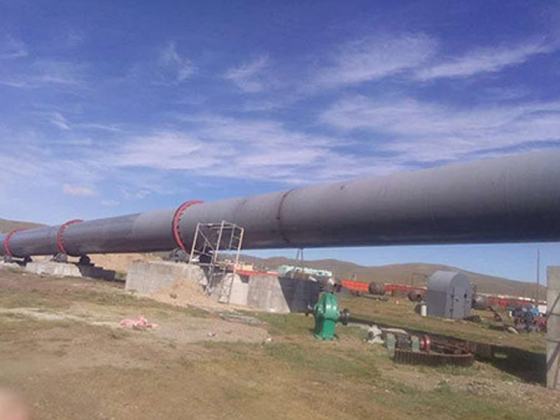
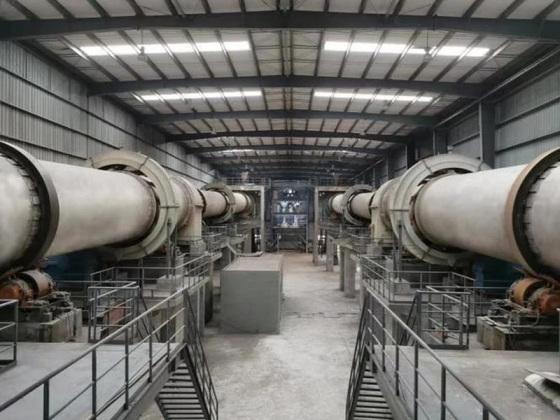
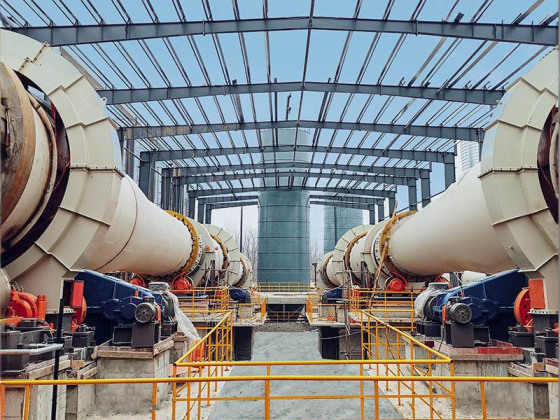
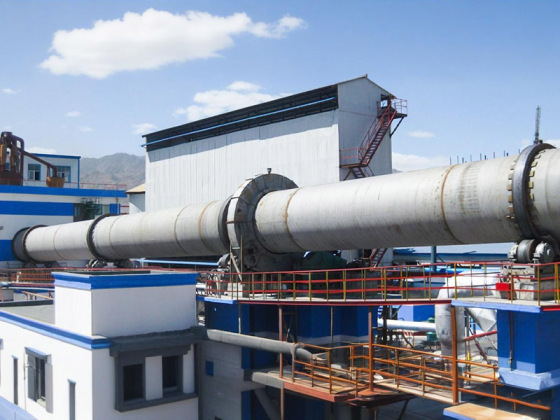
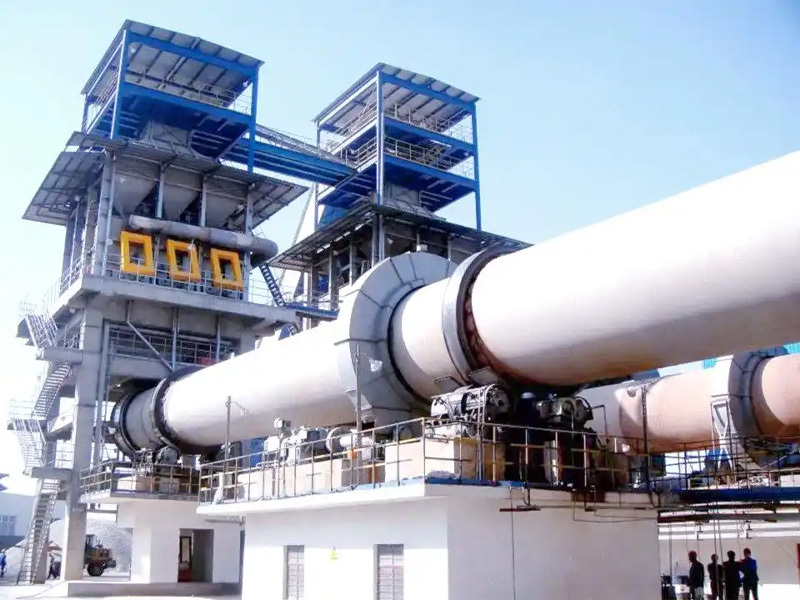
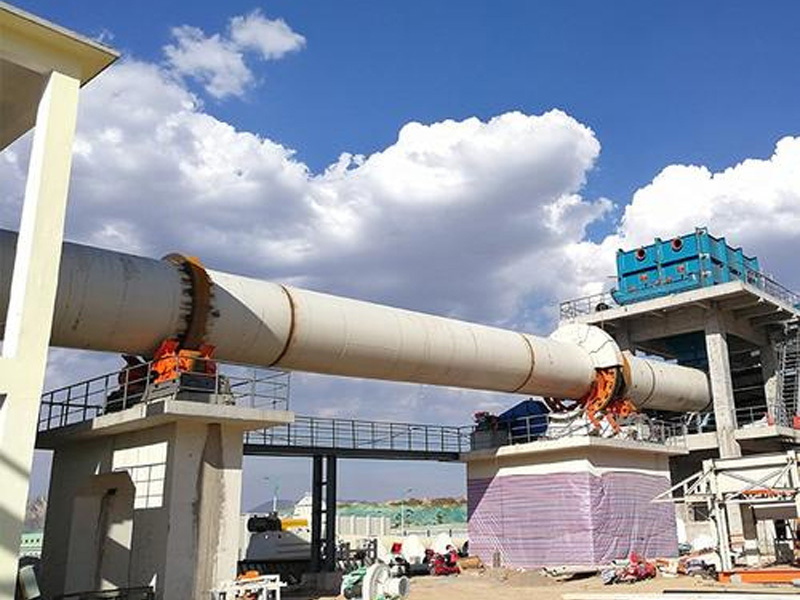
The reduction iron rotary kiln serves as the core equipment in the direct reduction process using a rotary kiln. It operates as a continuously rotating inclined steel cylinder lined with high-temperature-resistant materials, functioning at 950–1100°C to produce sponge iron through the reduction of iron oxides with solid carbon. During operation, raw materials such as iron ore and reducing agents are fed continuously in precise proportions. As the kiln rotates, the materials are thoroughly blended and gradually conveyed forward, undergoing stages of drying, preheating, and reduction, ultimately yielding porous, highly metallized sponge iron.
This system offers strong raw material adaptability, excellent process controllability, stable operation, and environmental benefits. Capable of processing complex ores and iron-containing waste, it not only supplies high-quality feedstock for electric arc furnace steelmaking—supporting low-carbon transition—but also enables comprehensive recovery of multiple metal resources. As such, the reduction iron rotary kiln acts as a vital link between mineral resources and high-value iron products.purpose of high yield, high quality and low consumption.
- Luoyang Hanfei Power Technology Co., Ltd
- Henan, China
- Possesses complete, stable, and efficient supply capabilities for Rotary Kiln and their components.
- Information
Reduction Iron Rotary Kiln
The reduction iron rotary kiln is the core equipment of the rotary kiln direct reduction process. This technology utilizes a continuously rotating rotary kiln as the reactor, making it a key metallurgical installation for producing sponge iron via the reduction of iron oxides by solid carbon. Its primary function is to carry out the solid-phase carbon reduction of iron ore within a temperature range of 950–1100°C. Through its unique structural design, it enables continuous processing and efficient conversion of materials. The product, characterized by a porous and loose structure, is known as sponge iron and is widely used in steelmaking and polymetallic resource recovery, serving as a crucial link between mineral resources and high-value iron products.
Working Principle
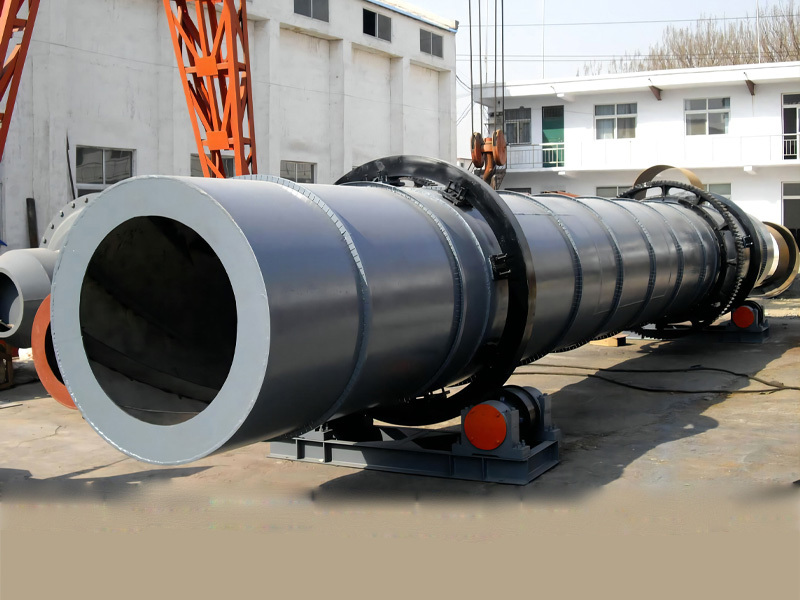
The operating logic of the reduction iron rotary kiln centers on "continuous rotation + precise temperature control + solid-phase reduction." The main body is an inclined steel cylinder lined with high-temperature refractory materials, driven to rotate at a constant speed by supporting rollers. During operation, qualified iron ore (iron content >66%), reductant (coal with fixed carbon >50%, such as lignite or bituminous coal), and desulfurizing agents are continuously fed into the feed end in precise proportions. As the kiln rotates, the materials are lifted to a certain height and then cascade down under gravity. This action ensures thorough mixing of the ore and reductant while gradually advancing the material toward the discharge end.
The high temperature of 950–1100°C required for the reduction reaction is generated by the combustion of air introduced at the discharge end with volatile matter from the reductant coal and the CO produced by the reaction. This is complemented by a precise kiln-head supplementary combustion system to accurately control the temperature field. As the material moves forward, it sequentially undergoes stages of drying, preheating, carbonate decomposition, desulfurization, and iron oxide reduction. Due to the relatively low reduction temperature, most of the gangue in the ore remains in the product, with insufficient carburization. The loss of oxygen during reduction creates numerous micropores. The final sponge iron product is rapidly cooled to below 200°C in a vertical cooler to prevent re-oxidation before being discharged. Waste gas from the kiln exit passes through a preheater to recover waste heat, improving energy efficiency.
Key Features
The reduction iron rotary kiln offers several distinct advantages due to its unique process design:
1.Strong Raw Material Adaptability: It can process not only complex ores such as high-silica lean iron ore, nickel-bearing lean iron ore, and titanomagnetite, along with various fine ores, but also polymetallic ores like iron-bearing dust and lateritic nickel ore through process variants such as the SL-RN or Krupp-CODIR methods. It can directly use widely available coal as the reductant and has flexible requirements for coal ash softening temperature, significantly reducing reliance on specific raw materials and lowering costs.
2.Moderate and Controllable Process Conditions: By adjusting the kiln inclination, rotation speed, and fuel ratio, the reaction atmosphere and temperature can be precisely controlled, effectively preventing over-reduction or ring formation. The thin material bed and large free space inside the kiln ensure smooth gas flow. This is conducive to the selective reduction of polymetallic symbiotic iron ores and allows low-boiling-point elements to be volatilized and recovered, enabling comprehensive resource utilization.
3.High Product Quality and Stable Operation: The produced sponge iron has a metallization degree exceeding 90%. Its granular, porous structure facilitates subsequent processing, making it suitable as a high-quality raw material for steelmaking. The equipment operates under a slight negative pressure, reducing heat loss and improving the working environment. Coupled with an intelligent control system for precise temperature management, it enhances product consistency and operational safety.
4.Environmental and Economic Benefits: The process flow is relatively simplified with low energy consumption. Utilizing local raw materials can further reduce operational costs. Integrated baghouse dust removal and desulfurization/denitrification systems effectively control pollutant emissions, ensuring compliance with environmental standards.
Practical Applications
In practice, the core role of the reduction iron rotary kiln manifests in two dimensions: resource conversion and comprehensive utilization.
1. as the core reactor for direct reduced iron (DRI) production, it efficiently converts iron ore into highly metallized sponge iron. This product can substitute for high-quality scrap steel in electric arc furnace (EAF) steelmaking, helping the steel industry reduce dependence on imported scrap and facilitating the transition to low-carbon production.
2. leveraging its capabilities in selective reduction and polymetallic recovery, it enables deep processing of polymetallic symbiotic ores and iron-bearing waste. While recovering iron resources, it removes harmful elements like zinc and lead and recovers other valuable metals, achieving the dual objectives of resource recycling and environmental remediation.
Furthermore, its characteristics of continuous operation, stability, and reliability make it suitable for large-scale industrial production. When integrated with intelligent operation and maintenance systems, it significantly improves production efficiency and reduces labor and maintenance costs.