


- Home
- >
- Products
- >
- raw material mill
- >
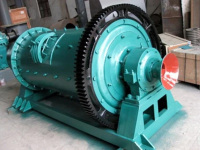
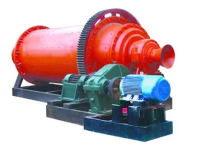
raw material mill
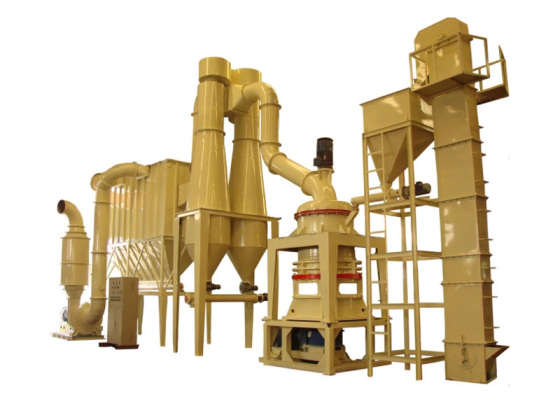
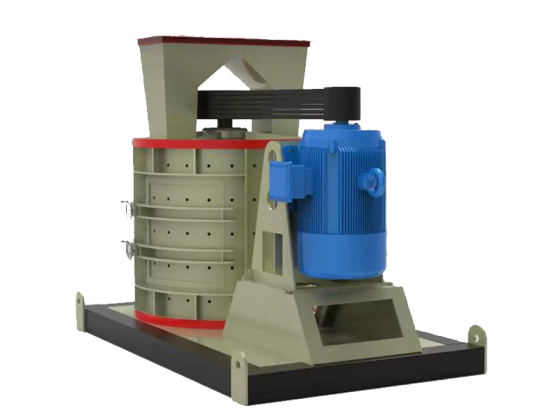
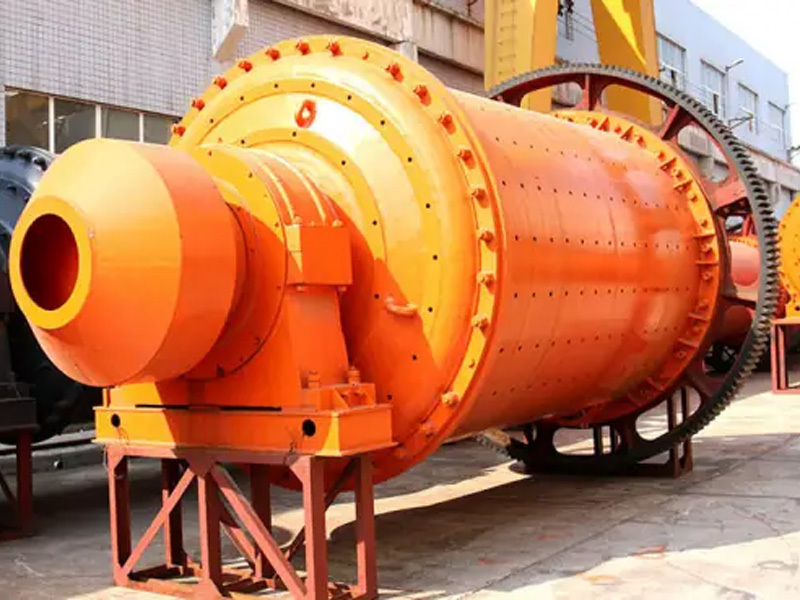
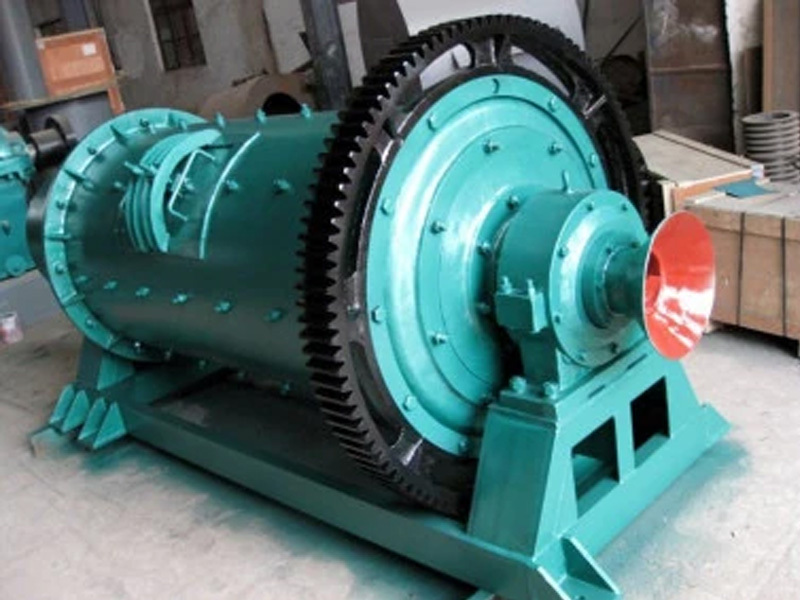
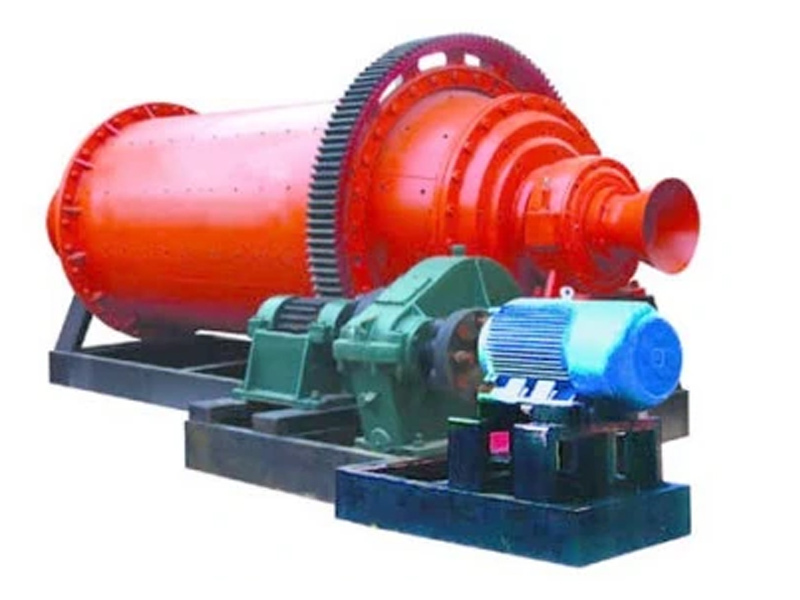
The raw material mill is a key piece of equipment for crushing, grinding, and proportioning materials. It typically employs a peripheral drive system, with the material to be ground being continuously and evenly fed into the mill via a feeder.
Primarily used in cement plants for grinding raw materials, in addition to processing cement raw materials, it can also be utilized in industries such as power generation, metallurgy, and chemical engineering for grinding various ores and other grindable materials. It features strong adaptability and continuous production capability, and the fineness of the finished product can be easily adjusted to meet production demands ranging from small and medium scales to large-scale operations.
- Luoyang Hanfei Power Technology Co., Ltd
- Henan, China
- Possesses complete, stable, and efficient supply capabilities for Mill and their components.
- Information
Raw Material Mill
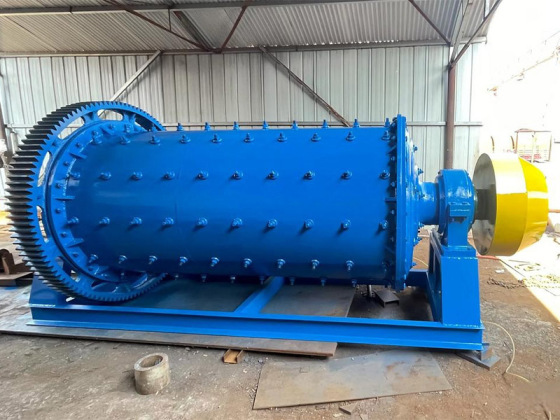
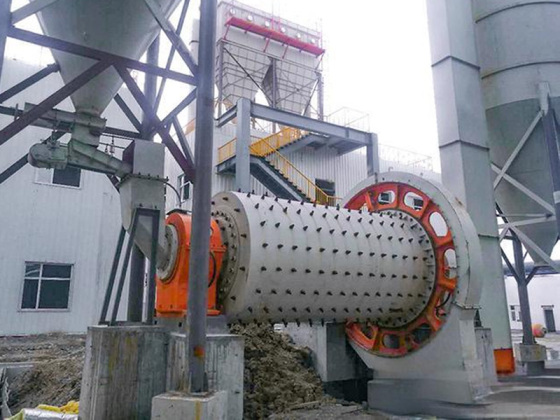
The raw material mill, also known as a cement ball mill or industrial grinding mill, is an indispensable core grinding equipment in the building materials, metallurgy, power generation, and chemical industries. Its core function is to efficiently crush and simultaneously dry materials such as ores and cement raw materials. It is compatible with various process modes, including dry, wet, open-circuit, and closed-circuit grinding. Widely used in cement production, silicate product manufacturing, refractory material processing, and chemical raw material treatment, it supplies materials with qualified particle sizes for subsequent production stages, offering significant advantages such as strong adaptability and continuous operation capability.
In terms of structural design, the raw material mill features an optimized core construction to enhance operational efficiency. The main body employs integrally cast large end covers and hollow shaft structures, paired with a streamlined discharge system. This effectively reduces ventilation resistance, increases the mill's effective volume, and thereby improves grinding efficiency and output. The equipped single-compartment composite liners can be specifically designed to meet the differentiated requirements of various material grinding stages, enhancing the grinding effect. The core grinding mechanism also includes wear-resistant alloy liners, a sealing air system, and hydraulic devices, ensuring operational stability and sealing performance while extending the service life of vulnerable parts. The equipment specifications range from φ1.2×4.5m to φ4.6×13m, with capacity ranging from 1.7 to 210 tons per hour, precisely meeting the needs of small and medium-scale to large-scale production scenarios.
The working principle of the raw material mill centers on a peripheral drive system, featuring an efficient closed-loop process. The material to be ground is continuously and evenly fed into the mill by a feeder. The motor drives the mill cylinder to rotate via a reducer, and the material spirally enters the first grinding compartment through the hollow shaft. Inside the rotating cylinder, the grinding media (steel balls) and material are lifted to a certain height by friction and centrifugal force, then cascade down in a curtain-like manner, achieving crushing through impact and grinding by the steel balls. The ground material is discharged from the mill and classified by a separator; qualified product is collected, while oversized material is returned to the mill for regrinding until the preset fineness is achieved. Simultaneously, the negative pressure environment inside the mill prevents dust leakage. Combined with high-temperature exhaust gas from the kiln tail, it enables simultaneous material drying, with a drying capacity of 6%–8%, balancing environmental protection and energy recovery.
Based on structural and performance differences, raw material mills are mainly categorized into four types, each tailored to specific scenarios.
• Conventional Raw Material Mill: Suitable for small and medium-sized closed-circuit grinding systems with external separators, offering outstanding cost-effectiveness.
• Air-Swept Mill: Features a short and stout body, large hollow trunnions at the inlet and outlet, diaphragm plates with large grate openings, and no discharge grate plate. This results in minimal ventilation resistance, with compartment air velocity exceeding 5 m/s, allowing the introduction of large volumes of hot air and providing extremely strong drying capability.
• End-Discharge Elevator-Circuit Mill: Discharges material mechanically from the end of the grinding compartment, which is then conveyed by an elevator to a separator. The coarse material is returned for regrinding, making it suitable for specific process requirements.
• Center-Discharge Elevator-Circuit Mill: Combines the drying advantages of air-swept mills and end-discharge elevator-circuit mills. Functioning as an equivalent two-stage closed-circuit grinding system, it discharges material from the mill center, with the return material distributed to both the coarse and fine grinding compartments, balancing drying and grinding efficiency.
Furthermore, the raw material mill boasts a high degree of automation. Its electrical control system is pre-equipped with DCS interfaces, supporting centralized management. Paired with an efficient peripheral drive system, it features a compact structure and small footprint. Its flexible process adaptability and wide range of application scenarios make it a key piece of equipment in the field of industrial grinding, providing a solid foundation for large-scale, efficient production across various industries.