


Crusher
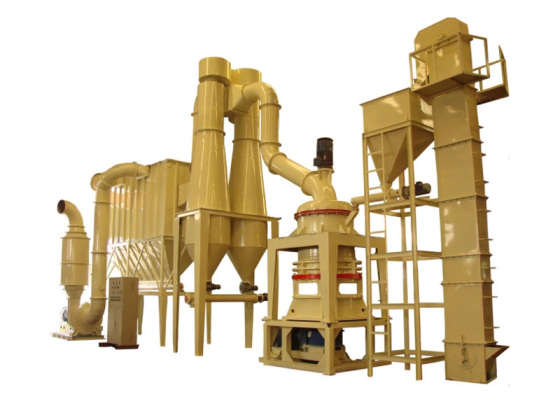
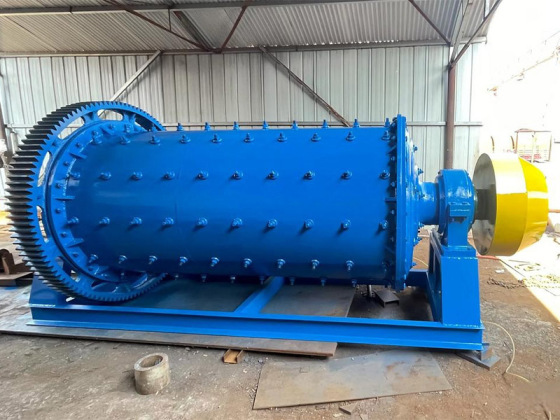
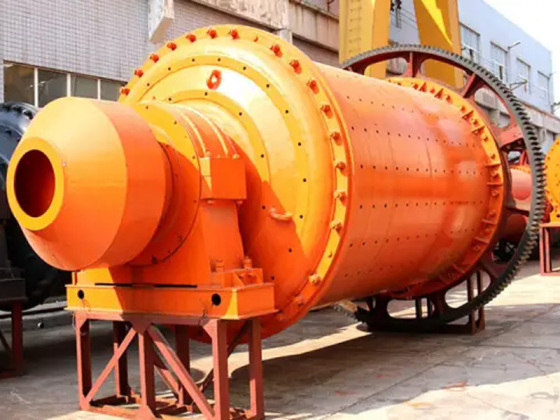
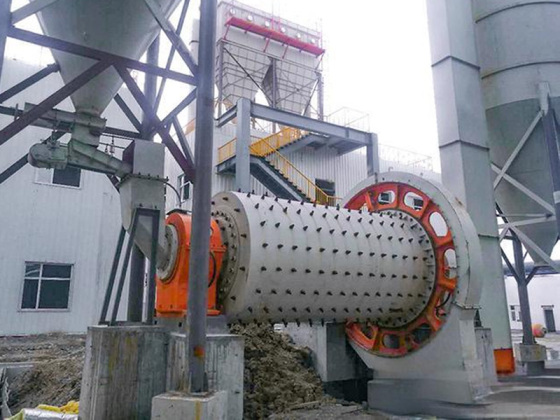
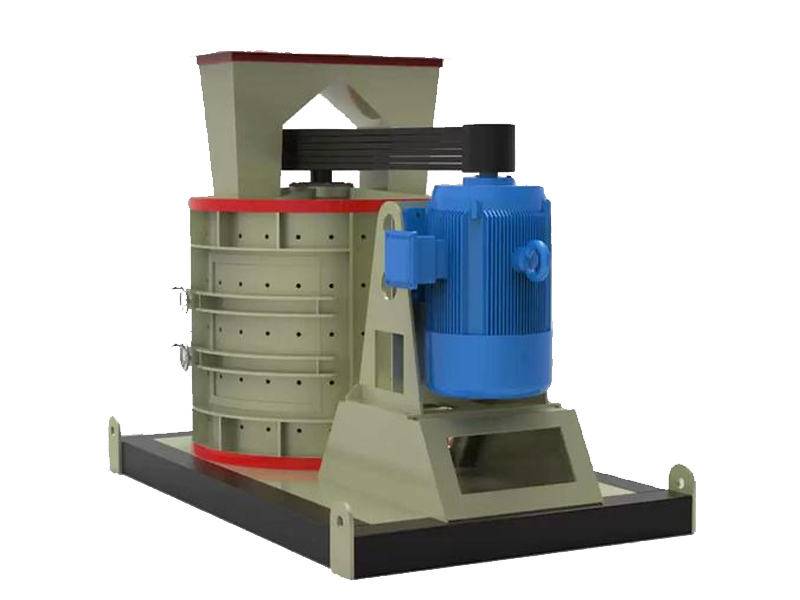
A crusher, also known as a rock breaker, is a type of crushing machinery used in the processing of metallic and non-metallic ores. It breaks raw mined ore into smaller particles through mechanisms such as compression and bending. Specifically, it refers to crushing machinery where the discharge material contains more than 50% particles larger than three millimeters in size. Crushing operations are typically categorized into coarse crushing, medium crushing, and fine crushing based on the particle size of the feed and discharge materials.
The working principle of a crusher is based on various mechanical forces. It involves the process of breaking large materials into particles of the desired size through mechanical forces such as compression, impact, shearing, or grinding. The specific mechanism varies depending on the type of crusher.
- Luoyang Hanfei Power Technology Co., Ltd
- Henan, China
- Possesses complete, stable, and efficient supply capabilities for Mill and their components.
- Information
Crusher (Rock Breaker)
A crusher, also known as a rock breaker, is an indispensable core crushing equipment in fields such as mining, construction materials, and metallurgy. It primarily utilizes mechanical forces such as compression, impact, shearing, and grinding to process large, raw mined ores or materials into uniformly sized small particles, laying the groundwork for subsequent processes like grinding and separation. The industry provides a clear definition: any crushing machinery where particles larger than 3 millimeters constitute more than 50% of the total discharge material can be classified as a crusher. Based on the differences between feed and discharge particle sizes, crushing operations are divided into three stages: primary (coarse) crushing, secondary (medium) crushing, and tertiary (fine) crushing, catering to different process requirements for particle size.
The working principle of crushers revolves around the application of mechanical force, with different machine types focusing on specific crushing mechanisms.
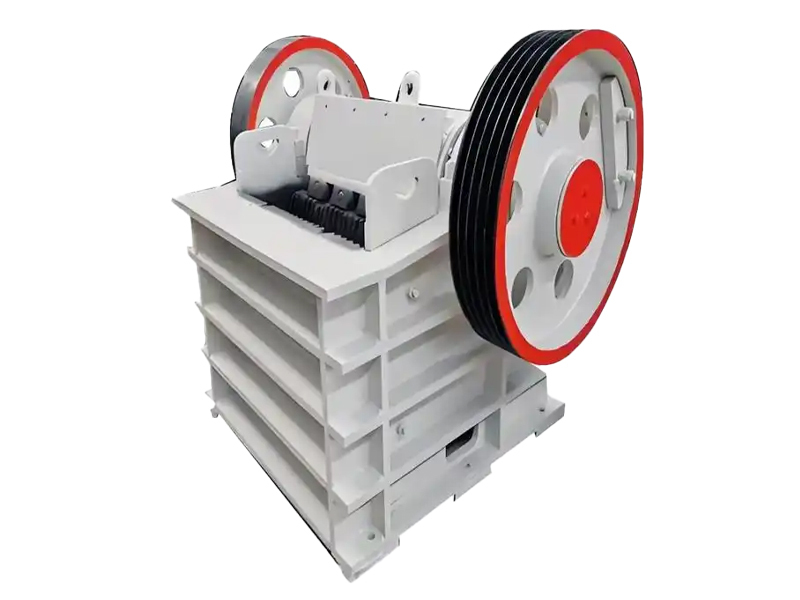
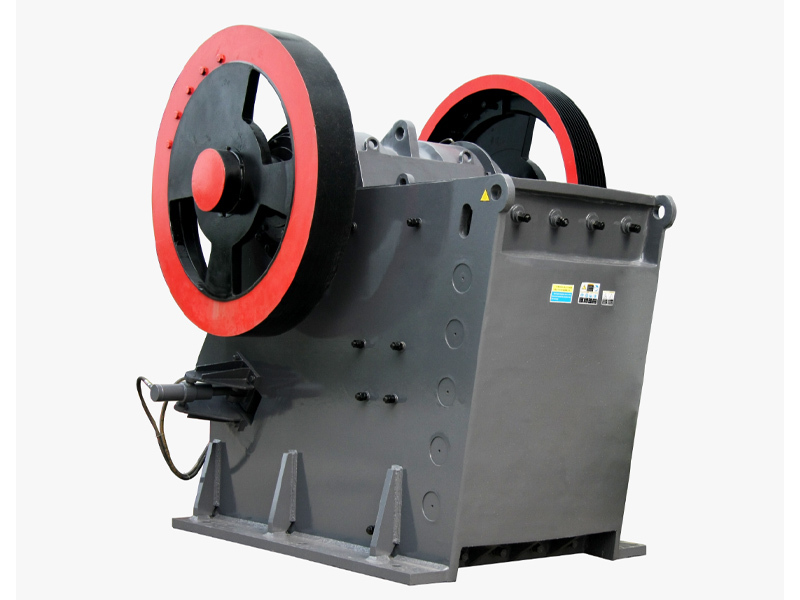
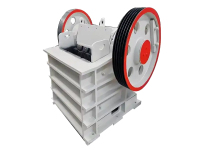
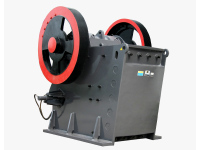
1.Jaw Crusher: As a widely used primary crushing device, it relies on the periodic relative motion between the movable jaw and the fixed jaw to crush materials entering the crushing chamber through compression, splitting, and bending. It efficiently handles high-hardness ores.
2.Impact Crusher: This type utilizes high-speed rotating hammers (blow bars) to strike materials. The materials are then thrown against impact plates and rebounded back into the hammer action zone. Through repeated impacts and collisions, fragmentation is achieved, offering a crushing ratio that can exceed 20. The final product particles are typically cubic with low flakiness content.
3.Cone Crusher: Driven by an eccentric shaft, the mantle gyrates, creating a periodically changing crushing cavity between itself and the fixed concave (bowl liner). Materials are crushed through compression and interparticle attrition. Cone crushers are mostly used for secondary and tertiary crushing, allowing for precise adjustment of discharge size.
4.Hammer Crusher: This crusher uses the high-speed impact of hammers to shatter brittle materials. It is suitable for processing medium- and low-hardness materials like limestone and coal.
A crusher is a mechanical device used to break large materials into smaller particles, widely applied in sectors like mining, construction materials, and metallurgy. Its core features encompass working principles, performance advantages, structural design, applicable scenarios, and maintenance requirements.
1.Performance: Crushers offer advantages such as high reduction ratio, high efficiency and energy savings, and controllable product size. A high reduction ratio means materials can be crushed to a finer size; for example, impact crushers can achieve ratios above 20. Equipment is often designed for low energy consumption, with some models optimized through cavity design to minimize over-crushing. Product size can be controlled by adjusting the discharge opening or rotor speed to meet different process needs.
2.Structural Design: Crushers emphasize reliability and adaptability. Key wear parts (like jaw plates, hammers) are made from wear-resistant materials. Safety devices (e.g., hydraulic systems or shear pins/breakable toggle plates) are equipped to protect the equipment from overload damage. Modular design facilitates maintenance, for instance, bearing lubrication systems require periodic injection of clean lubricating oil to extend service life.
3.Application Scenarios: While broadly applicable, different crusher types have their own focus. Jaw crushers are suitable for primary and secondary crushing of hard materials (e.g., ores, rocks), featuring simple structure and the ability to handle large feed sizes. Hammer crushers and impact crushers are more suitable for brittle materials of medium hardness and below (e.g., limestone, coal). The latter offers a higher reduction ratio, but its blow bars wear faster. Cone crushers are used for secondary and tertiary crushing, and for applications demanding strict discharge size control, automatic adjustment devices are necessary.
4.Maintenance Requirements: These include routine upkeep and fault prevention. Key points involve: regularly checking bearing lubrication conditions, replacing worn parts (e.g., toggle seat pads, hammers), ensuring the equipment is installed on a level foundation, and conducting no-load test runs. Common issues like elevated bearing oil temperature or operational impact noises should be addressed promptly to minimize downtime.