


Coal Mill
A coal mill is a crucial piece of equipment for crushing coal blocks and grinding them into coal powder, widely used in industries such as thermal power generation and cement manufacturing. Its characteristics vary depending on the type. Based on the rotational speed of the working components, coal mills can be categorized into low-speed, medium-speed, and high-speed types, with significant differences in performance, application scenarios, and economic efficiency among them.
The core function of a coal mill is to provide qualified fuel for coal-fired boilers, thereby enhancing combustion efficiency by increasing the surface area of the coal. Its main features include strong adaptability to different coal types and high operational reliability, although it tends to consume a relatively large amount of energy.
- Luoyang Hanfei Power Technology Co., Ltd
- Henan, China
- Possesses complete, stable, and efficient supply capabilities for Mill and their components.
- Information
Coal Mill
A coal mill is a key piece of machinery for crushing coal blocks and grinding them into pulverized coal. As vital auxiliary equipment for pulverized coal boilers, it is widely used across multiple industries, including thermal power generation, cement manufacturing, and silicate product production. It is capable of performing dry or wet grinding on various ores and grindable materials. The coal milling process is essentially one of continuous size reduction and surface area increase for coal particles, requiring energy to overcome the cohesive forces between solid molecules. Pulverization is primarily achieved through three methods: compression, impact, and attrition, with compression being the most energy-efficient and attrition the least. Various types of coal mills typically incorporate two or all three of these methods, depending on the specific design.
Based on the rotational speed of the grinding components, coal mills are classified into three categories: low-speed, medium-speed, and high-speed. Each type exhibits significant differences in performance, application scenarios, and economic efficiency.
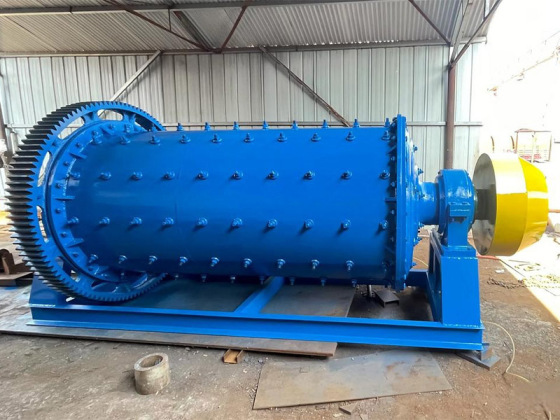
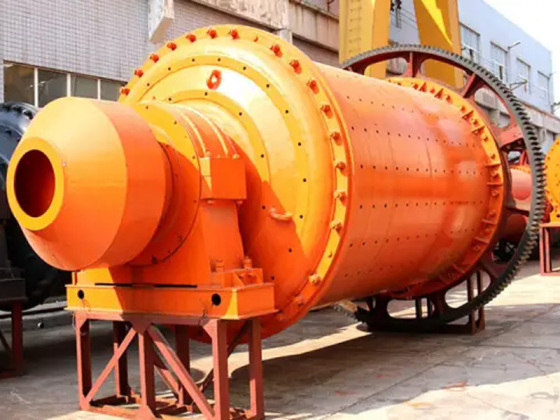
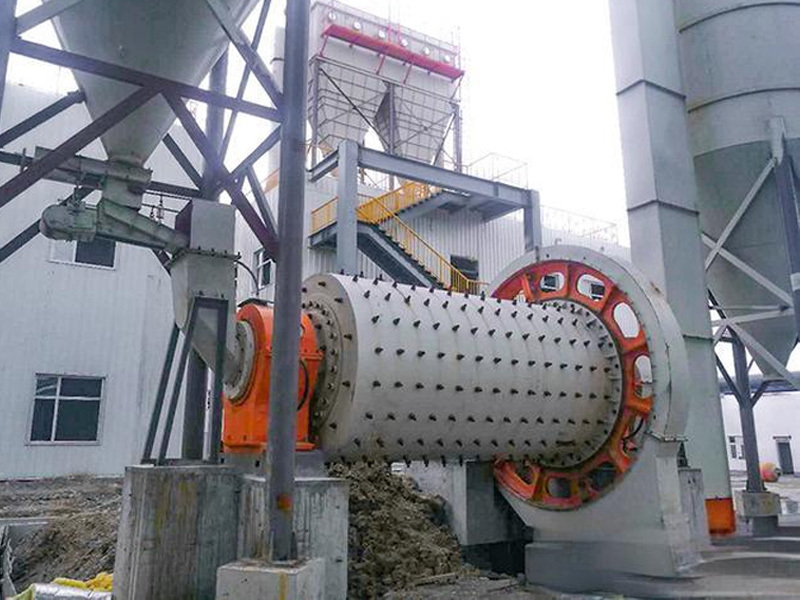
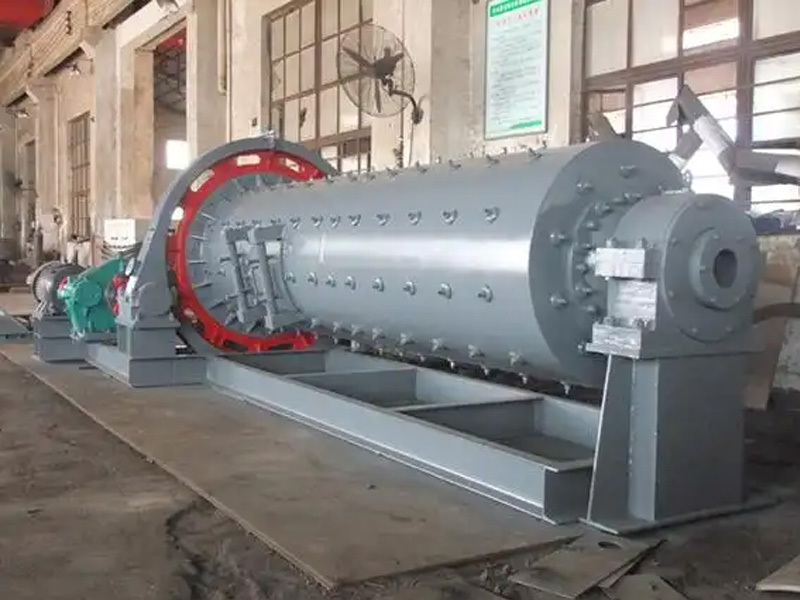
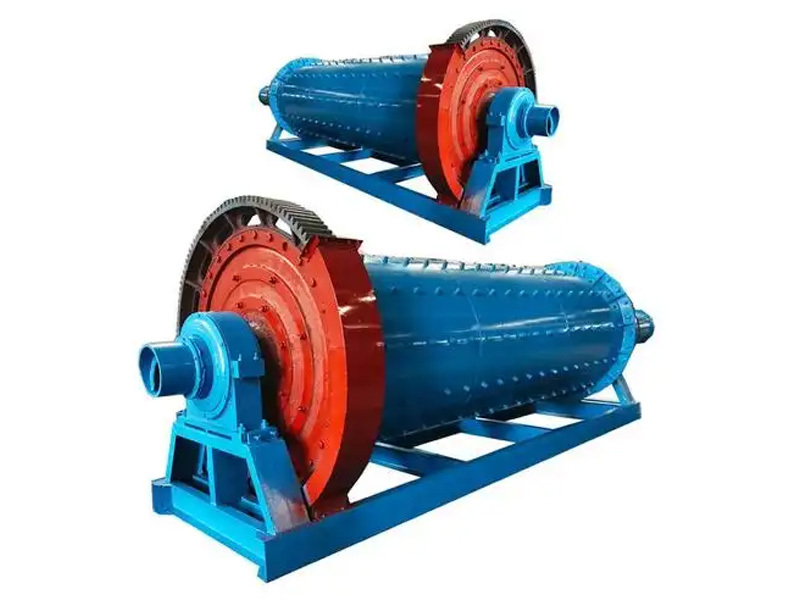
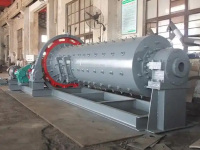
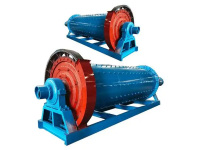
• Low-speed coal mills (e.g., ball-and-tube mills) operate at 15–25 rpm. Featuring a dominant drum-type structure, they rely on the impact and attrition of steel balls inside the rotating drum to pulverize coal. They offer exceptional adaptability to coal types, capable of handling hard anthracite or inferior bituminous coal, and boast high operational reliability. Accounting for over 60% of the coal mills in domestic thermal power plants, they are primarily used in intermediate storage bin pulverizing systems. However, drawbacks include heavy weight, high power consumption (2–3 times that of medium-speed mills), significant noise, and high maintenance costs.
• Medium-speed coal mills (e.g., bowl mills, roller mills) operate at 50–300 rpm. They crush coal by compression and attrition between grinding elements. These mills are compact, require less floor space, and consume only 50%–75% of the power used by low-speed mills. They offer responsive operation control and a high degree of automation, making them well-suited for large-capacity coal-fired boilers and coals with medium grindability. Nevertheless, their complex structure leads to higher repair costs, and they are not suitable for grinding very hard coals.
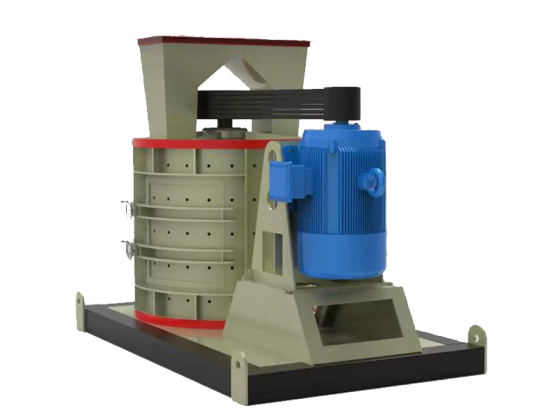
• High-speed coal mills (e.g., fan mills) operate at 500–1500 rpm. They pulverize coal primarily through high-speed impact and collision. Integrating drying and coal powder transport functions, they feature a simple structure and low initial investment. They are suitable for high-moisture lignite or high-volatility bituminous coal and are commonly used in direct-firing pulverizing systems. Their disadvantages include severe wear, shorter continuous operation periods, and poor adaptability to hard coals.
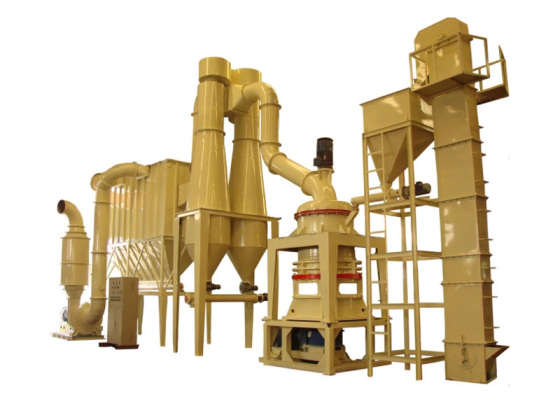
The working principles of mainstream coal mills vary in emphasis. Ball Mills are horizontal cylindrical rotating devices driven by peripheral gears. Employing a two-compartment grate design, material enters the first compartment via the feed device, where it is struck and ground by steel balls lifted by stepped liners. After preliminary grinding, it passes through a diaphragm plate into the second compartment for further grinding between flat liners and steel balls, finally being discharged through the discharge grate. Roller Mills, on the other hand, feature a grinding table rotated by a motor via a reducer. Material fed to the center of the table moves outward under centrifugal force and is crushed by grinding rollers. Hot air enters the mill simultaneously to dry the material. The air stream carries the material to a separator for classification; oversized particles fall back for regrinding, while qualified fine powder is collected by a dust collection device. Product fineness can be controlled by adjusting the separator.
The core functions of a coal mill are reflected in pulverized coal preparation and system integration. It not only completes the drying, crushing, and grinding of coal but also controls the fineness of the pulverized coal within the required range, directly supporting efficient boiler combustion. Furthermore, coal mills are typically integrated with pulverizing systems (e.g., intermediate storage bin or direct-firing systems) to ensure stable coal powder supply. In industrial applications, this equipment is extensively used in power generation, cement, metallurgy, and chemical industries, serving as a key auxiliary device for ensuring production continuity.
Daily maintenance and periodic repair are crucial for ensuring the stable operation of coal mills. Daily post-shutdown checks should include inspecting the tightness of bolts and replenishing lithium-based lubricating grease in bearing housings. During maintenance, it is essential to inspect bearing lubrication and wear, replace worn coal hammers and liners, tighten fan blade bolts, clean slag deposits in the combustion furnace, and repair furnace linings. The selection of a coal mill type requires a comprehensive balance of coal characteristics, energy consumption requirements, and economic efficiency to achieve an optimal equilibrium between production efficiency and cost control.