


- Home
- >
- Products
- >
- Mineral Powder Mill
- >
Mineral Powder Mill
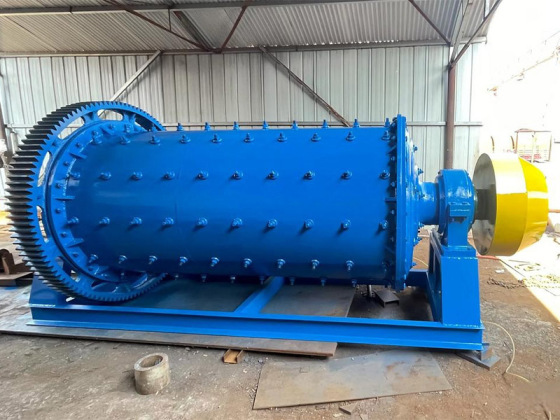
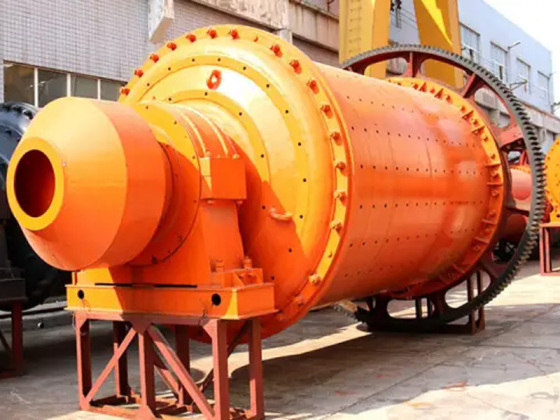
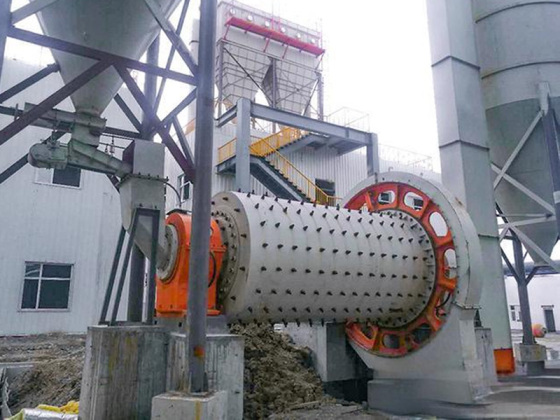
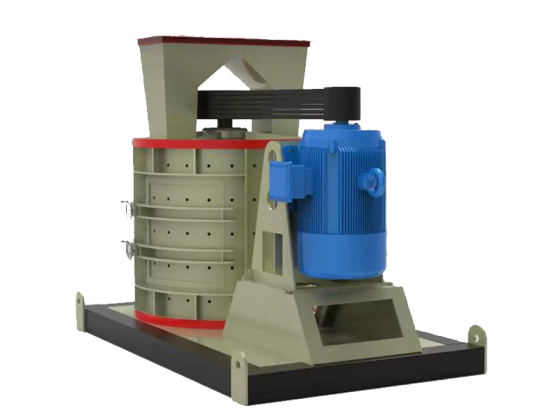
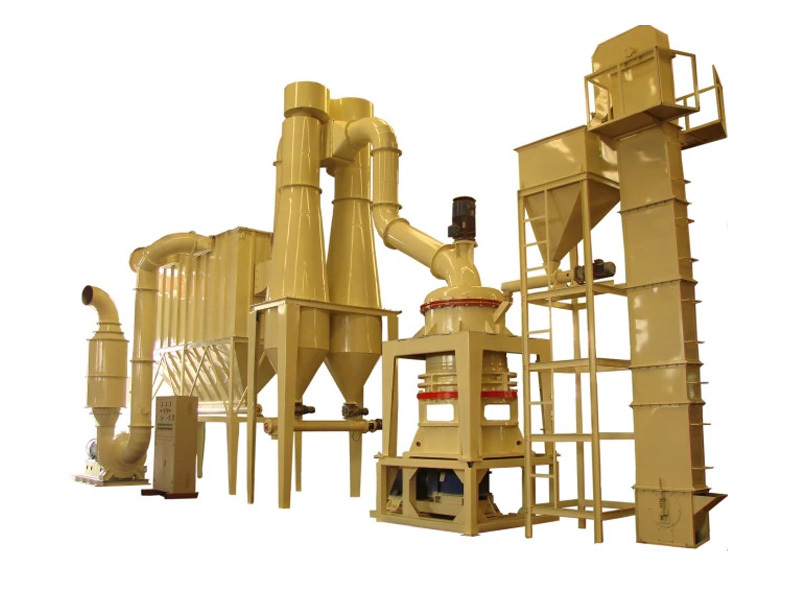
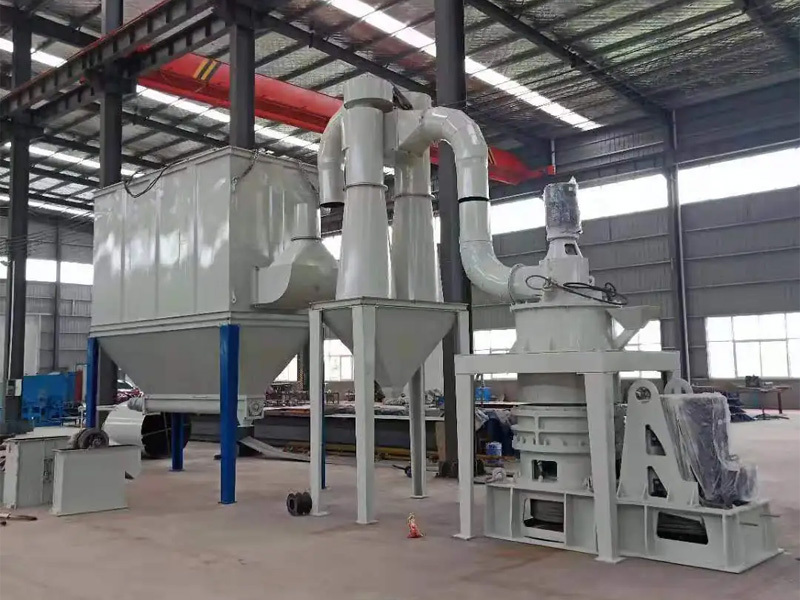
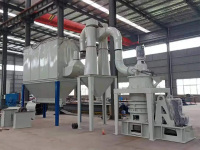
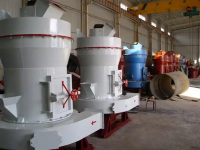
The mineral powder mill, also known as a high-pressure suspension roller mill, is essential equipment for grinding non-metallic minerals and industrial raw materials. It is widely used in mining, metallurgy, chemical engineering, building materials, and other fields. The equipment consists of a main unit, a classifier, and a dust removal system. It operates by grinding materials between rollers and rings, with fine powder collected via airflow separation and coarse particles cycled back for re-grinding. The entire process runs under negative pressure to ensure compliance with environmental standards.
This equipment comes in various types, with high-pressure suspension roller mills and pendulum roller mills being the most common. Its core advantages include high efficiency and energy savings, stability and durability, excellent environmental performance, and broad applicability. Key components are made of wear-resistant materials, and the system is equipped with multi-stage sealing and dust removal capabilities to meet the needs of diverse industries.
- Luoyang Hanfei Power Technology Co., Ltd
- Henan, China
- Possesses complete, stable, and efficient supply capabilities for Mill and their components.
- Information
Mineral Powder Mill
The mineral powder mill is a key industrial equipment specifically designed for grinding non-metallic minerals and industrial raw materials. Also known as a high-pressure suspension roller mill or an overpressure grinding mill, it is widely used in mining, metallurgy, chemical engineering, building materials, and other fields. It can process non-flammable and non-explosive materials with a Mohs hardness not exceeding 9.3 and a moisture content below 6%, covering over 280 types of raw materials such as iron ore, limestone, gypsum, and barite. The adjustable fineness range of the finished product is 30 to 1000 mesh, precisely meeting the demand for powders of varying fineness in downstream industries. Additionally, it enables the resource utilization of industrial waste like slag and fly ash, contributing to the development of a circular economy.
The core structure of the equipment consists of the main unit, classifier, blower, cyclone powder collector, bag-type dust collector, and connecting air ducts. It can be integrated with auxiliary devices such as crushers, elevators, and storage silos based on production needs to form a complete production line. Inside the main unit, the grinding roller assembly is suspended from the roller hanger via a cross-beam shaft. A pressure spring, using the cross-beam shaft as a fulcrum, forces the grinding roller to press tightly against the inner cylindrical surface of the grinding ring. During operation, the motor drives the main shaft to rotate. The shovel and grinding roller rotate synchronously, causing the grinding roller to roll and self-rotate within the grinding ring, achieving material crushing through compressive grinding. The fine powder is carried by the blower's airflow into the classifier for separation. Qualified fine powder is collected by the powder collector, while oversized particles are returned for re-grinding. The entire process operates under negative pressure, ensuring efficient operation and compliant dust emission.
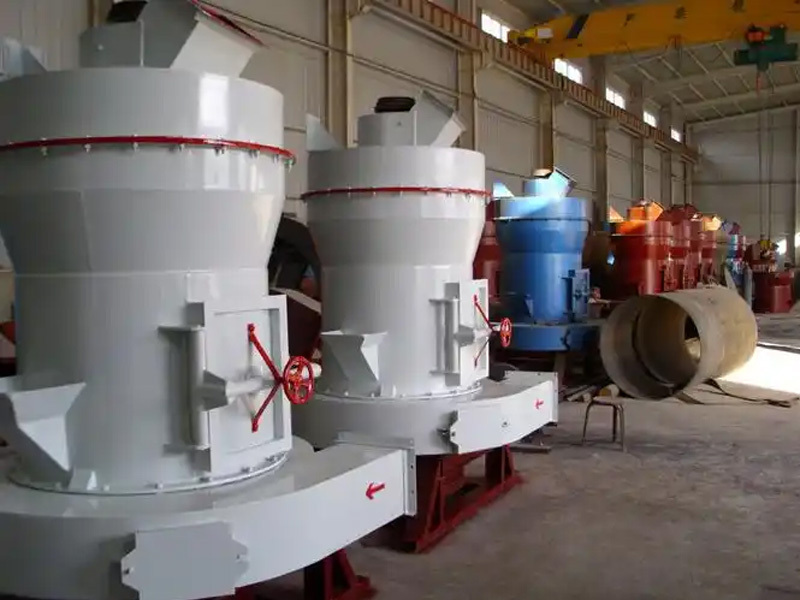
Mineral powder mills come in various types, with the high-pressure suspension roller mill and the pendulum roller mill being common models, each with its performance focus. The high-pressure suspension roller mill utilizes a high-pressure spring system to provide powerful grinding pressure, significantly increasing output compared to traditional equipment. It can achieve ultra-fine particle sizes and incorporates an overlapping multi-stage sealing design, offering excellent sealing performance with dust removal effects meeting national emission standards. The pendulum roller mill is equipped with a pendulum roller device, providing a larger grinding contact area, resulting in superior output and energy consumption performance. Its fineness range covers medium to fine powder requirements, making it suitable for materials of low to medium hardness.
The mineral powder mill possesses multiple core advantages, making it suitable for large-scale industrial production:
1.Excellent Efficiency and Energy Savings: Through optimized grinding structure and power transmission design, grinding efficiency is significantly enhanced, leading to notably lower energy consumption compared to traditional equipment. Derived vertical roller mills further integrate drying and grinding functions, can handle high-moisture materials, simplify production processes, and reduce energy consumption.
2.Strong Stability and Durability: Key grinding components are made from high-quality wear-resistant materials such as high-chromium alloy, effectively resisting material abrasion, extending equipment service life, reducing routine replacement and maintenance costs, and ensuring continuous and stable operation of the production line.
3.Excellent Environmental Compatibility: Paired with multi-stage sealing and bag-type dust collection systems, dual protection effectively controls dust leakage and operational noise, fully complying with industrial environmental emission requirements and suiting green production scenarios.
4.Broad Applicability: Compatible with various non-metallic mineral materials and industrial waste. It can be flexibly adjusted based on the hardness and fineness requirements of different materials. When combined with auxiliary equipment, it can form a complete production line, adapting to diverse production scenarios across mining, building materials, chemical, and other industries.
During daily operation, attention must be paid to material moisture control and regular maintenance, such as periodically cleaning and lubricating the grinding roller bearings, ensuring stable equipment output and uniform product fineness. With industry advancements, mineral powder mills are evolving towards higher efficiency, intelligence, and larger scales. By optimizing grinding systems and structural design, they continuously increase output and reduce energy consumption, providing solid support for non-metallic mineral processing and industrial green upgrading.