


Mineral Processing Mill
Mineral Processing Mill
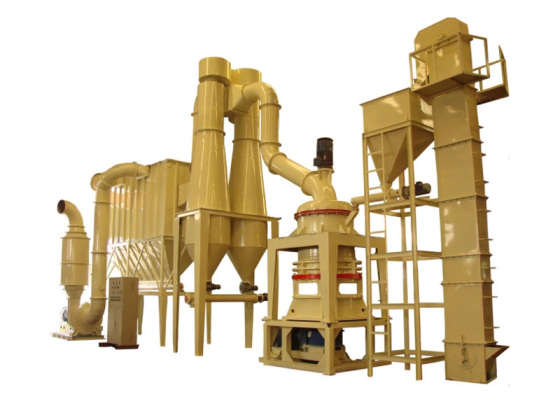
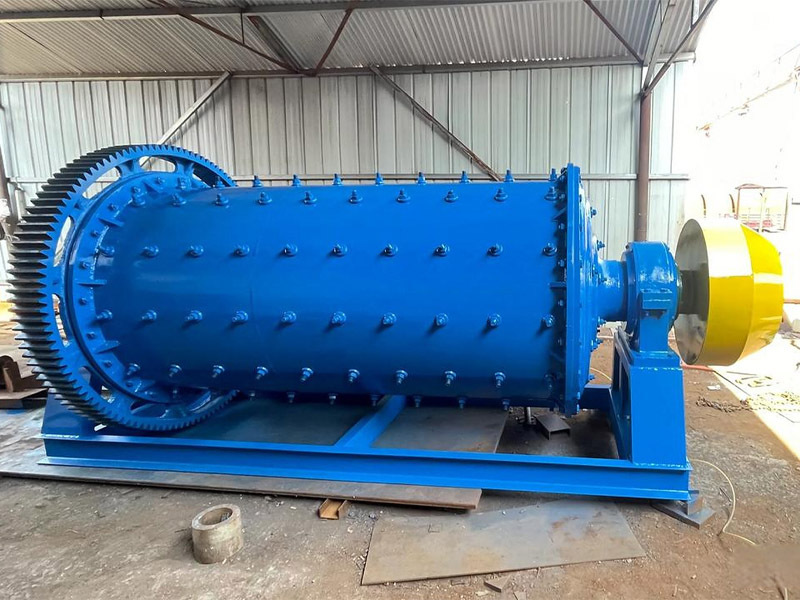
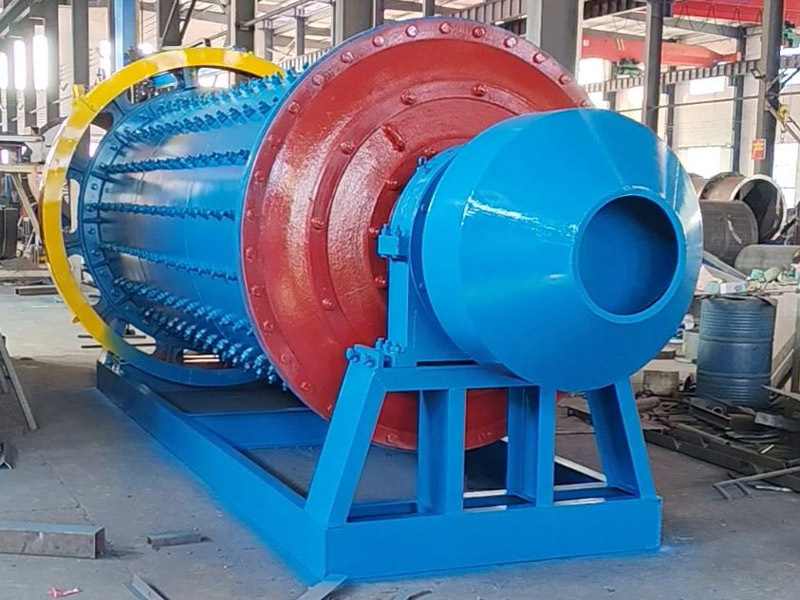
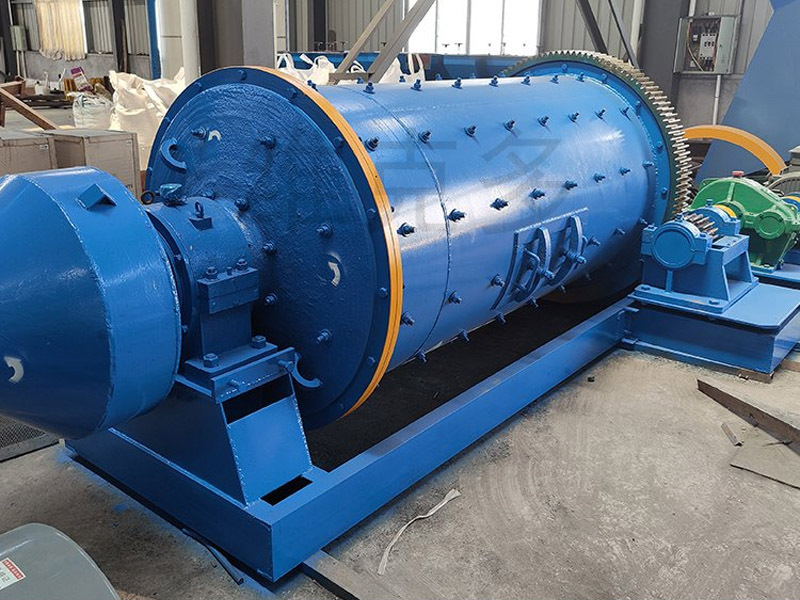
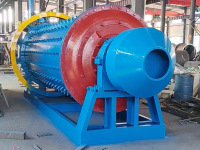
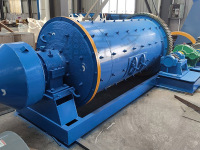
The mineral processing mill is a core piece of equipment in the beneficiation process, primarily used to crush ore into fine particles for the subsequent separation of valuable minerals. Its working principle relies on the impact, shearing, and abrasion between the grinding media (such as steel balls, steel rods, or gravel) and the ore. Common types include ball mills, rod mills, pebble mills, and autogenous mills.
Typically employing an edge drive system, the mineral processing mill serves as essential equipment in the mining and mineral separation industry. It is mainly applied in the metallurgical, chemical mining, and building materials processing sectors. Capable of handling various materials like cement, ores, and glass ceramics, it supports both dry and wet grinding modes.
- Luoyang Hanfei Power Technology Co., Ltd
- Henan, China
- Possesses complete, stable, and efficient supply capabilities for Mill and their components.
- Information
Mineral Processing Mill
The mineral processing mill is an indispensable core piece of equipment in mining and ore beneficiation processes. It is primarily used to crush ore to the required fineness, laying the foundation for subsequent valuable mineral separation. It is widely applied in metal mines (such as gold, silver, and molybdenum), non-metallic mines (such as kaolin and heavy calcium carbonate), as well as in metallurgy, chemical industries, and other fields. Equipment selection must consider material properties, particle size requirements, and the process flow comprehensively.
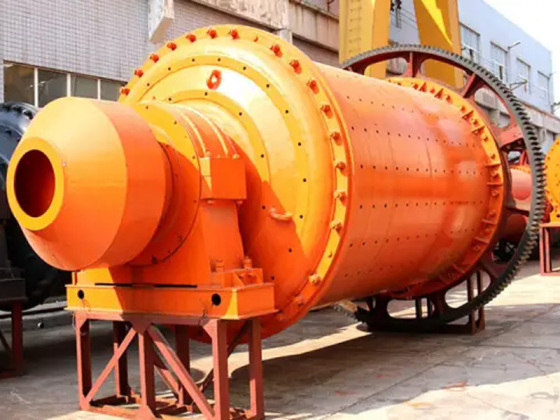
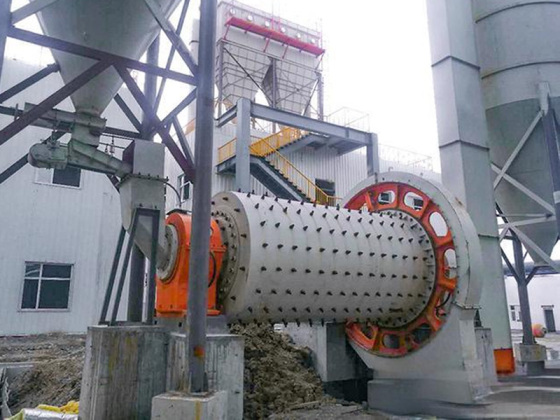
The core working principle of the mineral processing mill relies on the interaction between grinding media and the ore to achieve comminution, with different machine types featuring variations in media and operational characteristics. The equipment typically adopts a horizontal cylindrical rotating structure, where a motor drives the cylinder rotation, causing the internal media (steel balls, steel rods, pebbles, or the ore itself) to impact, shear, and abrade the material.
Common types include ball mills, rod mills, pebble mills, and autogenous (AG) mills. Among these, the ball mill is the most widely used, suitable for various process requirements involving either dry or wet grinding.
• Ball mills utilize steel balls as grinding media and can be categorized by discharge method into overflow type, grate (grid) type, and peripheral discharge type. The overflow type features a simple structure and can produce finer products, making it suitable for tertiary grinding stages. The grate type employs a grid plate for forced discharge, offering higher productivity and a coarser product size, often used in the primary stage of two-stage grinding circuits.
• The rod mill, on the other hand, uses long cylindrical steel rods as media. Its cylinder typically has a length-to-diameter ratio of 1.5–2.0 and lacks a discharge grid plate at the outlet end, preventing media entanglement. The line contact between rods provides a "selective grinding" action, which helps reduce over-grinding of the ore and yields a more uniform product size. It is suitable for processing brittle materials like tungsten and tin ores, or can serve as a pre-treatment device for ball mills. The media filling rate in rod mills is generally 30%–35%, the speed is usually controlled at 60%–75% of critical speed, and operational efficiency can reach 80%–88%.
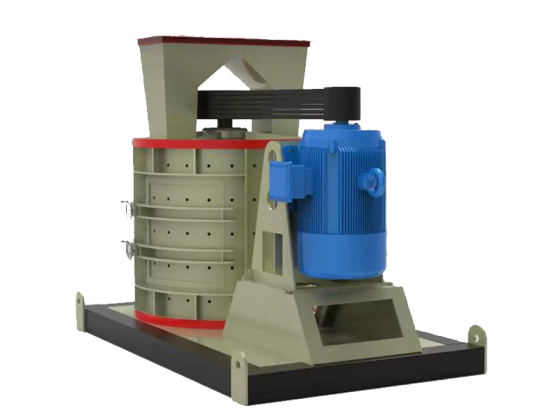
• Other mill types include pebble mills and autogenous (AG) mills. Pebble mills use selected pebbles as grinding media, suitable for specific fine grinding needs of certain ores. Autogenous mills utilize the ore itself as grinding media, significantly reducing media consumption, and are ideal for the primary crushing of coarse-grained materials.
In terms of structural design and performance optimization, mineral processing mills are continuously evolving towards higher efficiency, energy savings, stability, and durability. Cylinders are often manufactured using automated welding processes, undergo ultrasonic testing and overall stress-relief annealing to ensure structural precision and strength. Hollow shafts are designed as cast steel components, and wear-resistant liners are being upgraded from traditional manganese steel to materials like rare-earth alloys or magnetic liners to extend service life.
Key performance features include:
1.High crushing efficiency with relatively low energy consumption and minimal metal consumption per unit of product.
2.Use of high-quality, wear-resistant materials for liners, offering high strength, excellent wear resistance, and long service life.
3.Stable and reliable operation with relatively low energy consumption, reduced wear, and low operating costs.
4.Convenient adjustment of product fineness, uniform particle size distribution, smooth operation, dependable performance, and ease of operation and maintenance.
Some high-end mineral processing mills also integrate intelligent lubrication systems for precise control, reducing energy consumption and maintenance costs. The complete machine is debugged before leaving the factory to simplify on-site installation. Daily maintenance requires focused inspection of key components such as hollow shafts and main bearings, along with regular planning for medium and major overhauls. Current industry trends focus on equipment large-scale development, high efficiency and energy savings, and increased intelligence.