

- Home
- >
- Products
- >
- Powder Rotary Kiln
- >
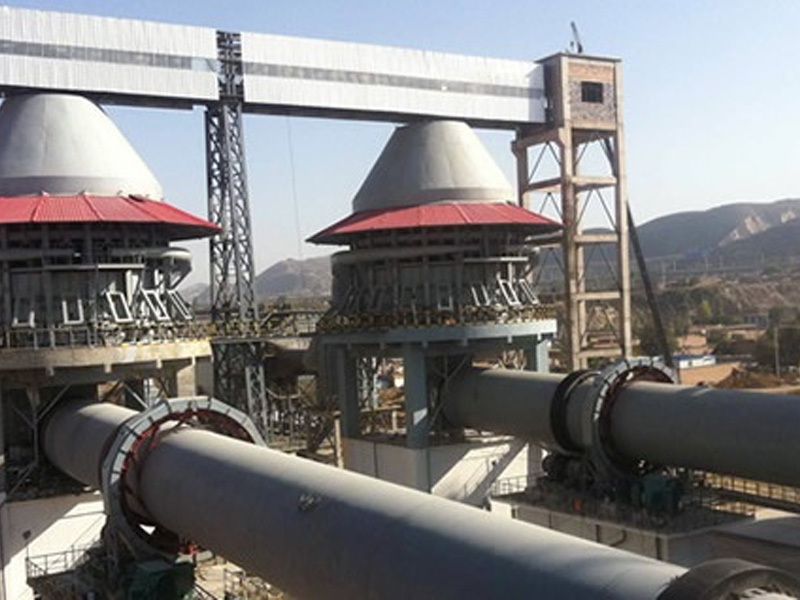
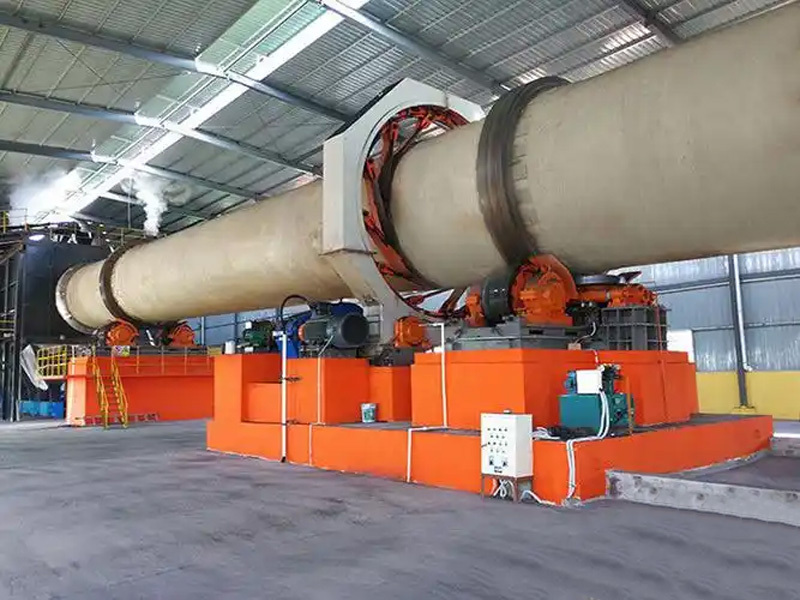
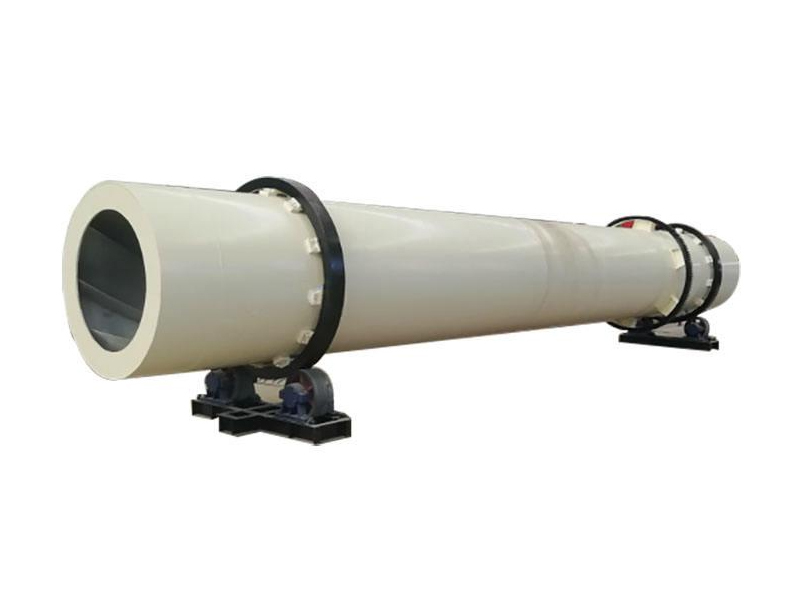
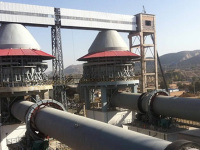
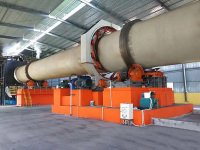
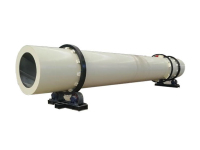
Powder Rotary Kiln
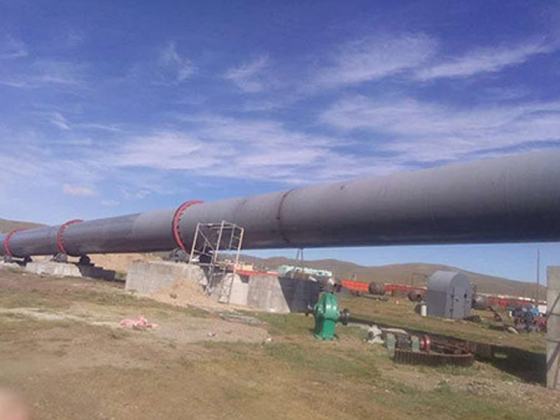
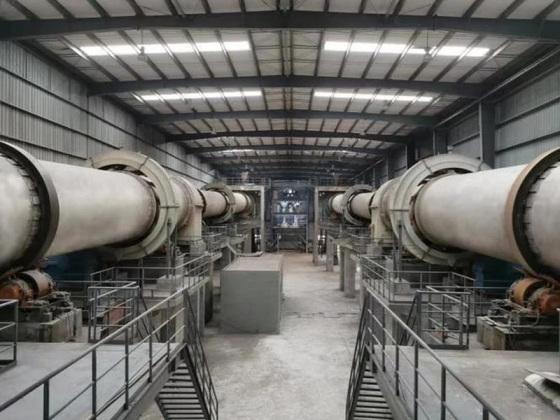
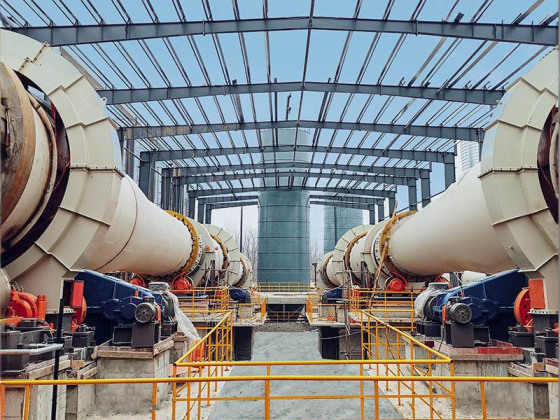
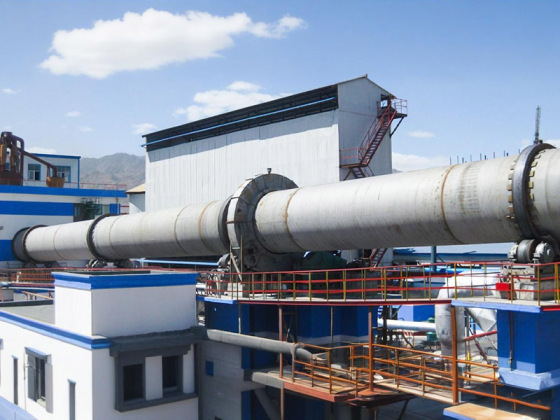
The powder rotary kiln serves as the core thermal processing equipment for the continuous high‑temperature treatment of powdered materials. It primarily consists of an inclined rotating steel cylinder lined with refractory materials on its inner wall. Its operating principle revolves around "counter‑current heat exchange + dynamic tumbling reaction": powdered raw materials enter from the kiln tail and, as the cylinder rotates, tumble and move forward, undergoing thorough heat exchange with high‑temperature flue gases from the kiln head. This process accomplishes a series of reactions such as dehydration and decomposition, enabling continuous processing.
This equipment offers advantages such as high energy efficiency, broad adaptability, environmental friendliness, and reliability. Supported by a waste‑heat recovery system that reduces energy consumption, it can handle powdered raw materials of various particle sizes and compositions. Widely used in industries such as building materials, metallurgy, chemical engineering, and environmental protection, it is suitable for processes including calcination, drying, and sintering. By providing high‑quality raw materials for downstream industries, the powder rotary kiln stands as a key piece of equipment for large‑scale powdered material processing.
- Luoyang Hanfei Power Technology Co., Ltd
- Henan, China
- Possesses complete, stable, and efficient supply capabilities for Rotary Kiln and their components.
- Information
Powder Rotary Kiln
The Powder Rotary Kiln is a core thermal processing equipment that relies on a rotating cylinder to achieve continuous high-temperature treatment of powdered materials. Through an inclined cylinder layout and uniform rotation, it simultaneously accomplishes material conveying, gradient heating, and targeted physical‑chemical reactions. It is widely used in fields such as chemical engineering, building materials, metallurgy, environmental protection, and new energy, and can support multiple processes including calcination, drying, sintering, and reduction. Compared with batch‑type furnaces, it has become an essential equipment for large‑scale powder processing due to its advantages of high efficiency, energy savings, stable operation, wide adaptability, and strong mass‑production capability. Its core value lies in precisely controlling high‑temperature operating parameters to optimize the physical and chemical properties of powders, thereby providing downstream industries with highly consistent raw materials.
From the perspective of core structure and technical characteristics, the equipment is designed with a focus on "efficient heat transfer, stable operation, and precise process control," balancing practicality and innovation across all systems. The kiln body is an inclined steel cylinder lined with specialized refractory materials such as high‑alumina or corundum to resist high‑temperature erosion and mechanical wear. The inclination angle is accurately controlled within 3%–5%, paired with a stepless speed‑regulation system (0.5–5 r/min) that manages material residence time through closed‑loop frequency conversion, ensuring thermal stability. The support and drive system employs high‑precision riding wheels and drive components to guarantee long‑term smooth operation; the heating system can flexibly switch between gas‑fired and electric heating modes to adapt to different materials and on‑site energy conditions.
Key technical highlights are prominent:
• The sealing system adopts a combined scale‑type or steel‑sheet structure, with an air‑leakage coefficient ≤10%, significantly reducing heat loss.
• The waste‑heat recovery system enhances overall process energy efficiency. The vertical cooler at the kiln head can preheat secondary air to above 700 °C, while the vertical preheater at the kiln tail enables raw materials such as limestone to achieve a pre‑decomposition rate of 20%–25%, markedly lowering fuel consumption.
• Additionally, the feeding and discharging systems achieve continuous automated conveying, and the PLC/DCS intelligent control system covers the entire process, collecting and adjusting parameters such as temperature and rotation speed in real time, reducing human error and ensuring process consistency.
The equipment can provide customized solutions based on the customer's production capacity, raw‑material characteristics, and process requirements, covering multiple dimensions such as kiln specifications, lining material selection, and heating methods. To meet the specific needs of various industries, core parameters such as cylinder rotation speed and inclination angle can be optimized. It can adapt both to large‑scale clinker production in the building‑materials industry and to specialized scenarios such as high‑precision catalyst roasting in the chemical industry or hazardous waste treatment in environmental protection, realizing the concept of "one kiln, multiple functions, precise adaptation."
The core of its working principle is "counter‑current heat exchange + dynamic tumbling reaction," forming an efficient and energy‑saving closed loop. Powdered raw material enters from the high end of the kiln tail and slowly moves toward the kiln head under the combined action of gravitational potential energy and cylinder rotation. High‑temperature gas generated by the heat source at the kiln head flows in the opposite direction, creating sufficient heat exchange and improving energy utilization. Cylinder rotation causes the material to tumble and disperse, avoiding localized overheating and uneven heating, and ensures that the material completes reactions such as dehydration and decomposition in an orderly manner within a gradient temperature field. The finished product is discharged after being cooled by the cooling system; high‑temperature exhaust gas is reused through waste‑heat recovery, and finally purified via dust removal, desulfurization, and denitrification systems, balancing energy efficiency and environmental protection.
The equipment's applications span multiple key industrial sectors with excellent adaptability:
• In the building‑materials industry, it is used for cement‑clinker burning, limestone calcination, etc., producing lime with an activity of 340–400 mL to meet high‑end steelmaking requirements.
• In the metallurgical industry, it can handle magnetizing roasting of lean iron ore and production of active lime, aiding in the utilization of low‑grade resources.
• In the chemical industry, it supports roasting processes for catalysts, soda ash, etc., ensuring stable product performance.
• In the environmental field, it can incinerate hazardous waste and garbage, achieving reduction, harmless treatment, and resource recovery of solid waste.
• In the new‑energy sector, it can be used for sintering and shaping of powder materials, expanding the application boundaries.
The equipment's core advantages are reflected in multi‑dimensional synergistic benefits:
1. High efficiency and energy savings: Counter‑current heating improves thermal efficiency, and the waste‑heat recovery system reduces unit heat consumption; it can directly process fine‑grade raw materials (10–50 mm), minimizing waste.
2. Stable product quality: Uniform heating of the material avoids under‑burning or over‑burning, ensuring consistent product indicators.
3. Wide adaptability: Compatible with raw materials of different particle sizes and moisture levels, offering operational flexibility.
4. Environmentally reliable: Low‑leakage design simplifies subsequent treatment, and supporting purification devices ensure compliant emissions.
5. Easy operation and maintenance: Full‑process intelligent control improves efficiency; optimized structure reduces wear‑prone parts, lowering maintenance costs and downtime.