

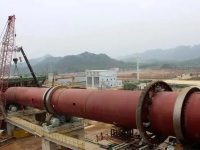
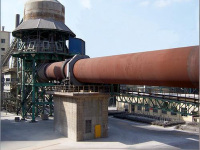
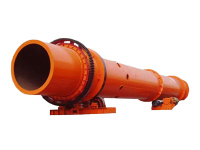
Metallurgical Rotary Kiln
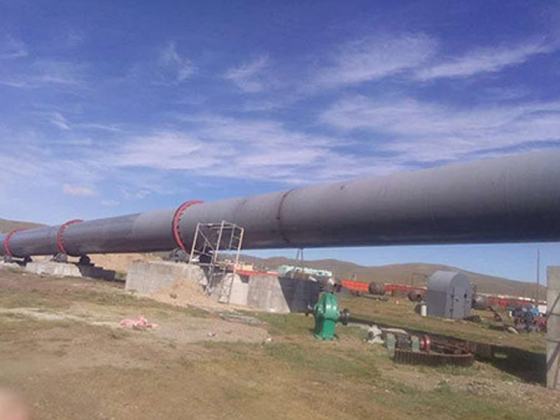
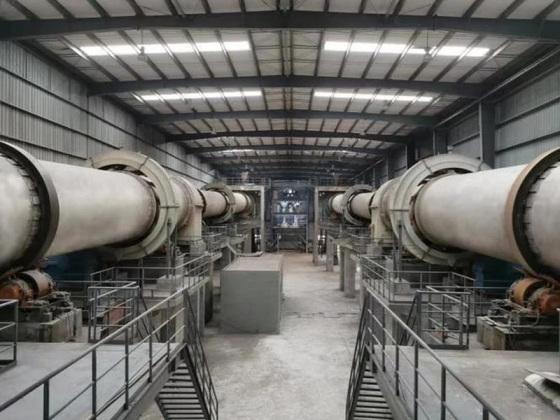
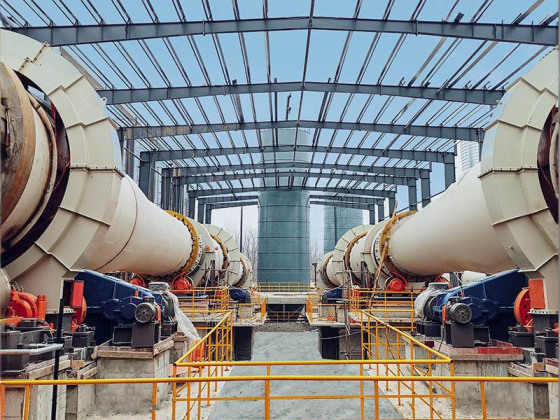
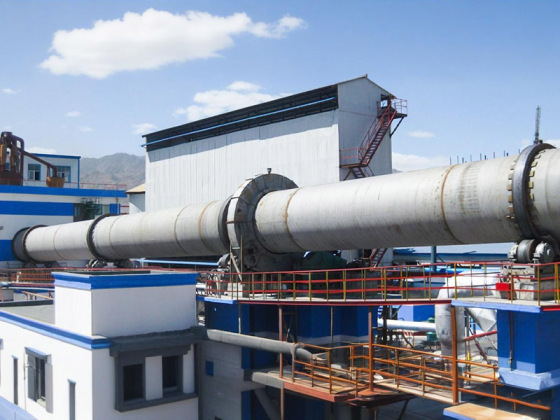
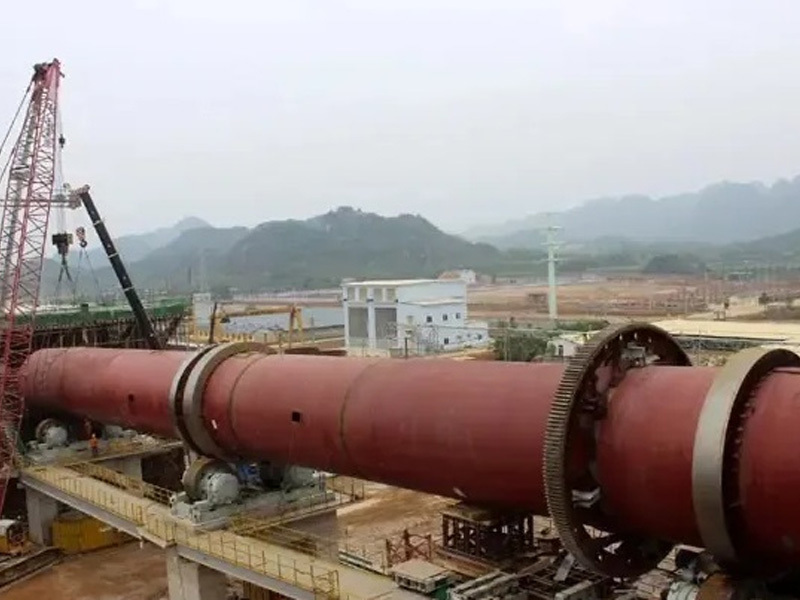
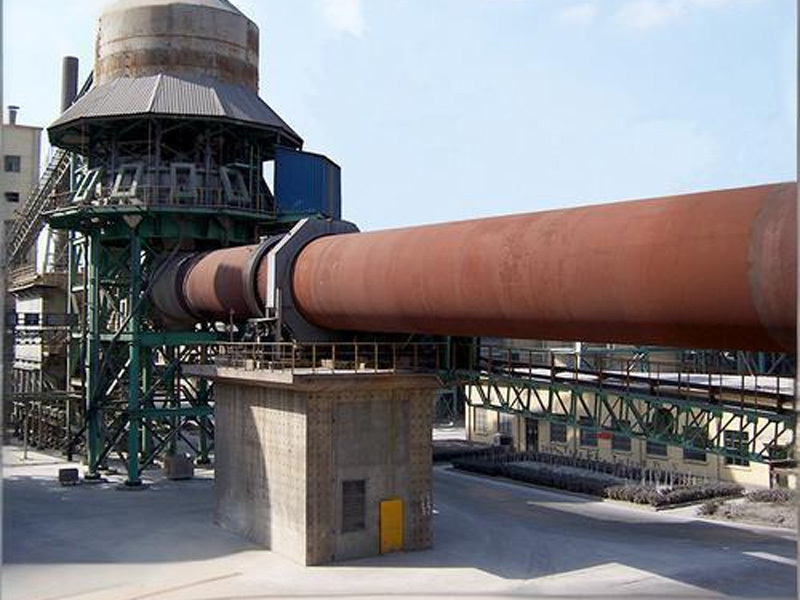
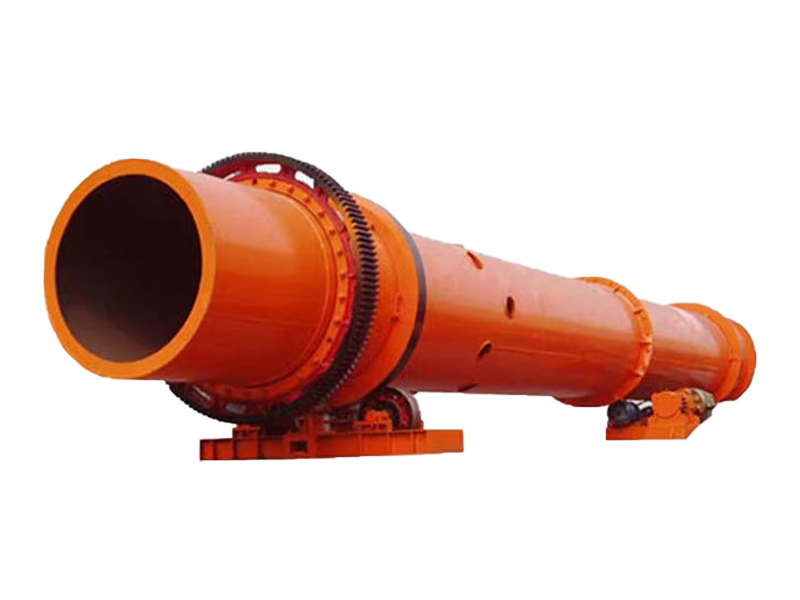
The metallurgical rotary kiln is a core high-temperature calcination equipment in the metallurgical industry, specifically designed for the heat treatment of metal minerals and related raw materials. Its key applications include magnetizing roasting of lean iron ore in steel plants, oxidative roasting of chromium/nickel iron ore, as well as calcination of refractory materials and chemical raw materials.
The equipment is constructed through welding of high-quality steel and is equipped with a hard-geared reducer, hydraulic thrust rollers, and high-efficiency sealing devices. It offers advantages such as stable operation, high thermal efficiency, and strong continuous processing capability. Routine maintenance focuses on bearing lubrication, gear engagement monitoring, and other critical aspects. During operation, an automated control system ensures precise temperature regulation, while a dust removal system supports environmentally friendly and safe production. The kiln is adaptable to industrial needs of various scales.
- Luoyang Hanfei Power Technology Co., Ltd
- Henan, China
- Possesses complete, stable, and efficient supply capabilities for Rotary Kiln and their components.
- Information
Metallurgical Rotary Kiln
The metallurgical rotary kiln is an indispensable specialized high-temperature thermal equipment in the metallurgical industry. As an industrial device designed for high-temperature heat treatment, its core function lies in the high-temperature calcination and thermal processing of metal ores and related raw materials. With its continuous operation and high-efficiency conversion capabilities, it serves as key equipment in industries such as steel, chemicals, and building materials. Its fundamental operation relies on an inclined, rotating cylinder structure that tumbles and conveys materials axially. Within a high-temperature environment exceeding 1000°C, it facilitates physicochemical reactions in minerals, such as oxidation, reduction, and magnetization, providing qualified raw materials for subsequent processes like metal extraction and material shaping.
Robust and Reliable Structural Design:
The kiln body is typically fabricated from high-quality killed carbon steel or alloy steel plates through rolling and automatic welding. Critical components such as riding rings, support rollers, and open girth gears are made of alloy cast steel for enhanced durability. The drive system is equipped with a hard-geared reducer, an elastic diaphragm coupling, and hydraulic thrust rollers. It incorporates a large-clearance sliding bearing design to improve operational stability. The sealing device employs scale overlap technology at the kiln head and an air cylinder pressing structure at the kiln tail, effectively preventing air leakage and dust emission.
The working principle of the metallurgical rotary kiln is based on continuous heat treatment. Materials are heated inside the kiln to temperatures above 850°C–1000°C to complete decomposition, oxidation, or reduction reactions. Materials enter from the high end (kiln tail) and, under the rotation of the inclined cylinder (inclination angle: 3%–5%), both tumble for uniform heating and move axially toward the low end (kiln head). A combustion device provides the high-temperature environment within the kiln, where process temperatures can exceed 1000°C. During their movement, materials undergo complete processing stages including drying, preheating, and reaction. The integrated automated control system monitors parameters such as temperature and pressure in real-time, controlling temperature fluctuations within ±2°C to ensure stable thermal conditions and improve product consistency.
The metallurgical rotary kiln is primarily used for roasting processes in the metallurgical industry. Examples include magnetizing roasting of lean iron ore in steel plants to improve magnetic separation efficiency, or oxidative roasting of chromite and nickeliferous iron ores for metal extraction. Simultaneously, in the chemical and building materials sectors, it is employed for processes such as calcining refractory materials, processing chromite sand, and calcining aluminum hydroxide.
Key Advantages:
1.High-Efficiency Continuous Production: Its 24/7 uninterrupted operation mode eliminates losses associated with start-stop cycles, increasing production efficiency by over 30% compared to batch equipment. The design features a length-to-diameter ratio (15–25) that extends material residence time, achieving a thermal utilization rate above 75% and saving over 20% energy compared to traditional equipment.
2.Broad Process Adaptability: By adjusting rotation speed, inclination angle, and temperature distribution, it can flexibly handle various materials and meet diverse process requirements.
3.Environmental Safety: Equipped with efficient dust removal systems and sealing devices, combined with a negative pressure operation mode, it effectively reduces dust emission and noise pollution. Coupled with advanced combustion technology and exhaust gas treatment systems, it complies with modern environmental regulations.
4.Cost-Effective Operation and Maintenance: It has few wearable parts. Routine maintenance focuses on bearing lubrication, gear engagement monitoring, and prevention of cylinder deformation. A single downtime maintenance period typically does not exceed 8 hours, and the equipment service life can exceed 10 years.