

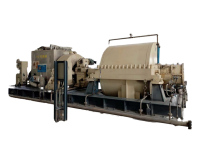
Medium Temperature And Medium Pressure Steam Turbine
Medium-Temperature, Medium-Pressure Steam Turbine
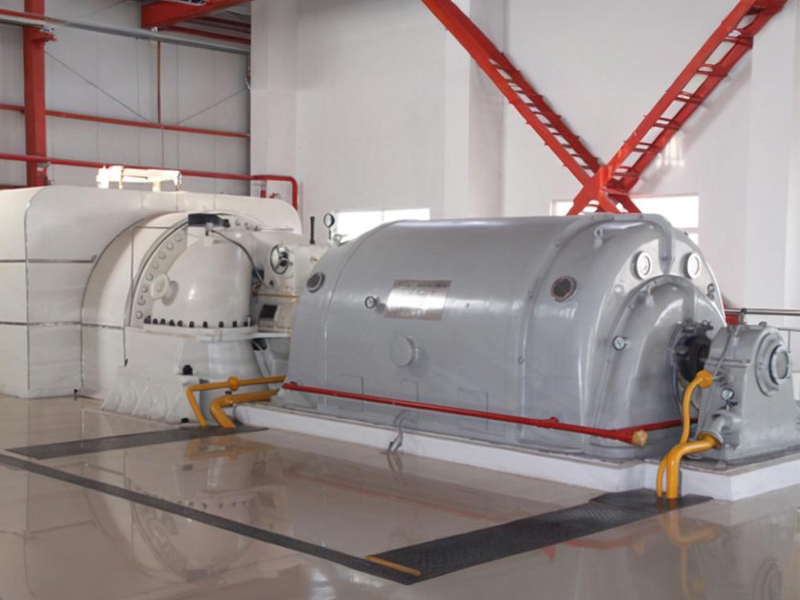
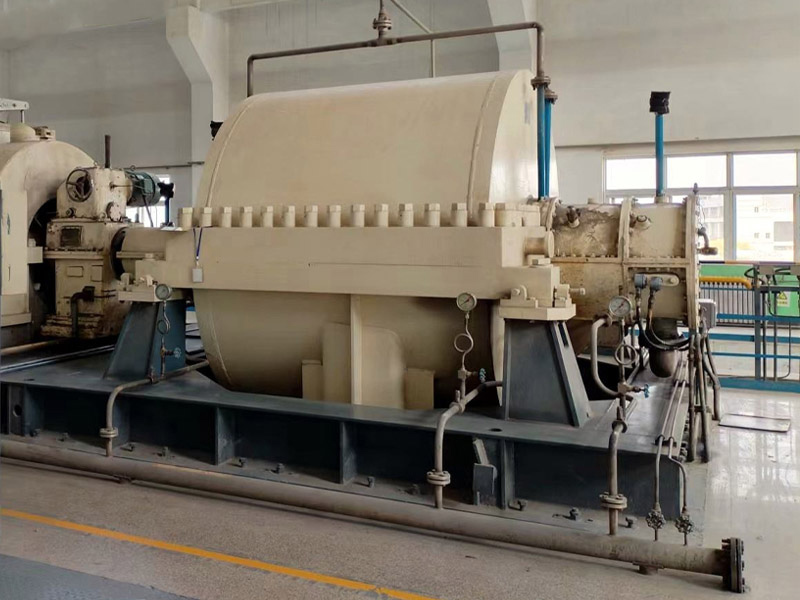
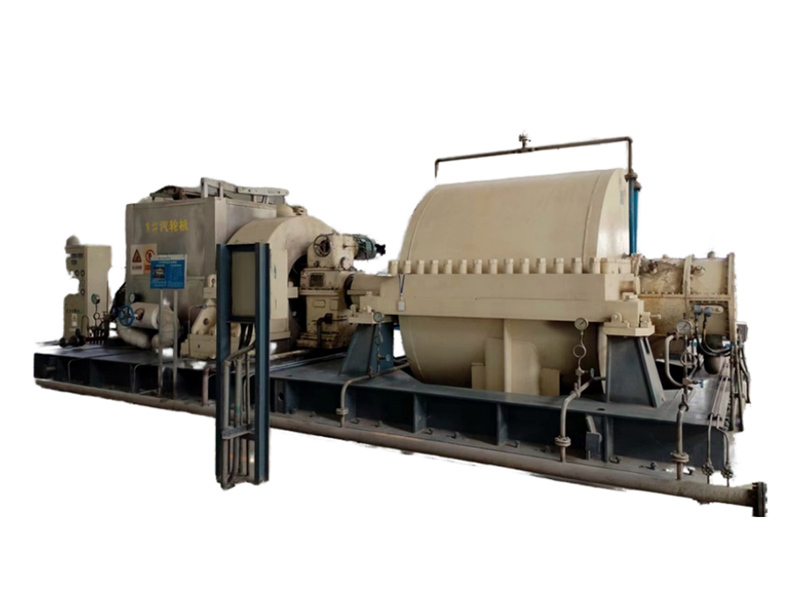
A medium-temperature, medium-pressure steam turbine is a type of steam turbine characterized primarily by an inlet steam temperature ranging between 400°C and 540°C and an inlet steam pressure ranging between 7 MPa and 10 MPa.
These turbines are commonly employed in production processes within the petrochemical industry, such as cracking, hydrogen production, and reforming, as well as for moderate-capacity power generation in electrical plants. Compared to other types, medium-temperature, medium-pressure steam turbines do not require the use of high-quality, high-pressure steam during operation, resulting in lower operating costs and greater economic efficiency.
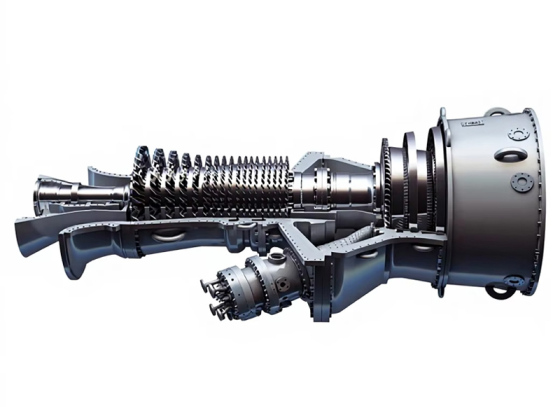
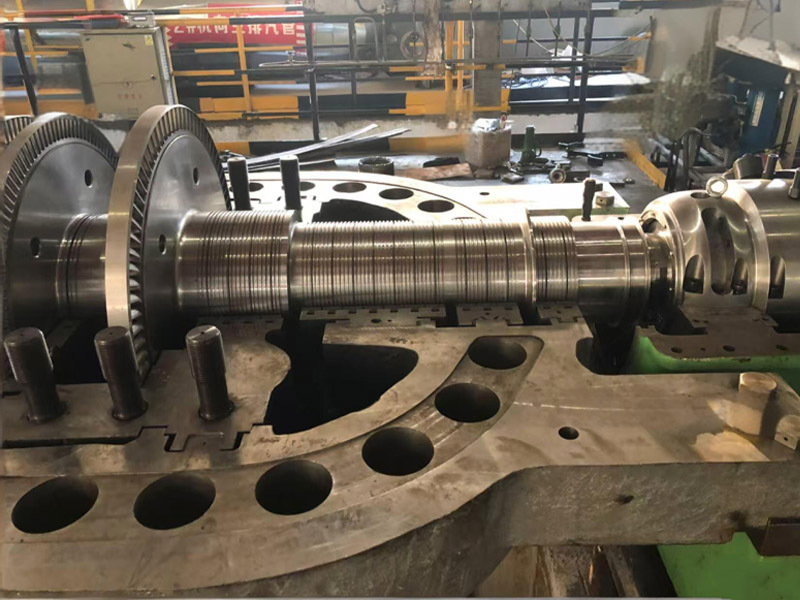
The core components of a medium-pressure steam turbine include the medium-pressure cylinder, rotor, and blades. In a multi-stage turbine, the steam specific volume in the medium-pressure section lies between that of the high-pressure and low-pressure sections. The blade height is sufficient, and full-arc admission is typically employed. This design effectively reduces losses associated with blade height, steam leakage, and friction.
- Luoyang Hanfei Power Technology Co., Ltd
- Henan, China
- Possesses complete, stable, and efficient supply capabilities for steam turbines and their components.
- Information
- Download
Medium-Temperature, Medium-Pressure (MTMP) Steam Turbine
A steam turbine is a mechanical device that utilizes thermal energy to drive rotor rotation and generate power. It is widely used in fields such as power plants, petrochemicals, and aerospace. The Medium-Temperature, Medium-Pressure (MTMP) Steam Turbine is a specific type characterized by inlet steam temperatures ranging from 400°C to 540°C and inlet pressures between 7 MPa and 10 MPa.
1. High Performance
MTMP steam turbines offer higher efficiency compared to conventional turbines. Under identical operating conditions, they achieve greater efficiency and reduce flue gas emissions.
2. Low Pollution
MTMP steam turbines exhibit lower emission levels. Discharges of harmful substances such as particulates, nitrogen oxides (NOx), and sulfur dioxide (SO₂) are significantly reduced, effectively protecting the environment and lowering operational costs.
3. Energy Saving
With high operational efficiency and minimal heat loss, MTMP turbines can also be integrated into combined heat and power (CHP) systems, enhancing overall energy utilization efficiency. This leads to energy conservation and reduced operating costs.
4. Wide Application
MTMP steam turbines are extensively used in thermal power stations and industries including chemical, pharmaceutical, and steel production, finding applications across numerous industrial sectors.
They are primarily employed in medium-scale power stations and the petrochemical industry. In power plants, MTMP turbines often serve as auxiliary generators to help maintain grid power balance. In petrochemical processes, they are commonly utilized in production stages such as cracking and hydrogen manufacturing.
Compared to other types, MTMP steam turbines do not require the use of high-quality, high-pressure steam during operation, resulting in lower operational costs and greater economic efficiency.
Within the pressure staging system, medium-pressure turbines, along with high-pressure and low-pressure turbines, form a complete system. Their steam parameters are moderate, avoiding the extreme temperatures and pressures of the high-pressure section while reducing the moisture loss typical in the low-pressure section. Consequently, they exhibit relatively lower stage losses and higher efficiency.
The core components of a medium-pressure turbine include the medium-pressure cylinder, rotor, and blades. In a multi-stage turbine, the specific volume of steam in the medium-pressure section falls between that of the high-pressure and low-pressure sections. The blade height is sufficient, and full-arc admission is typically employed, effectively minimizing losses associated with blade height, steam leakage, and disc friction.
Regarding start-up methods, medium-pressure turbines can utilize a medium-pressure cylinder start-up strategy. This involves initially driving the medium-pressure cylinder and then gradually introducing steam to the high-pressure cylinder. This approach can shorten start-up time, reduce thermal stress, and mitigate differential expansion risks. However, it requires additional equipment and bypass systems, potentially increasing operational complexity.
The working principle of an MTMP steam turbine is the same as other turbine types. It primarily involves directing steam onto the turbine blades, causing the rotor to rotate and converting thermal energy into mechanical energy. As MTMP turbines require relatively high steam temperature and pressure, ensuring stable steam supply and quality is crucial during operation.