


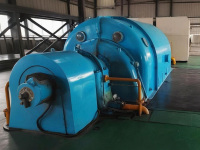
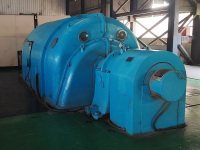
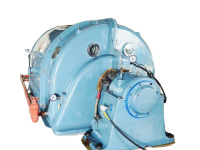
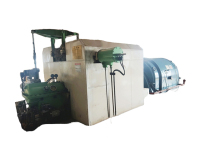
High Temperature And High Pressure Steam Turbine
High-Temperature,High-Pressure Steam Turbine
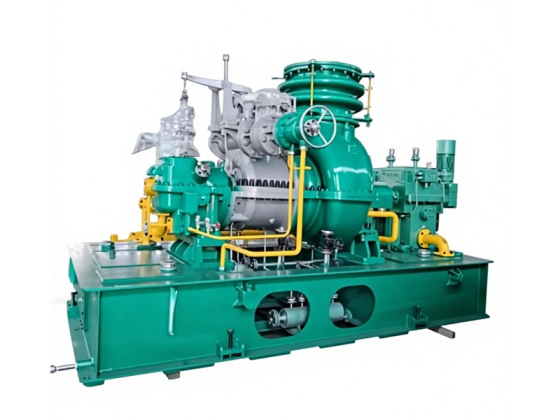
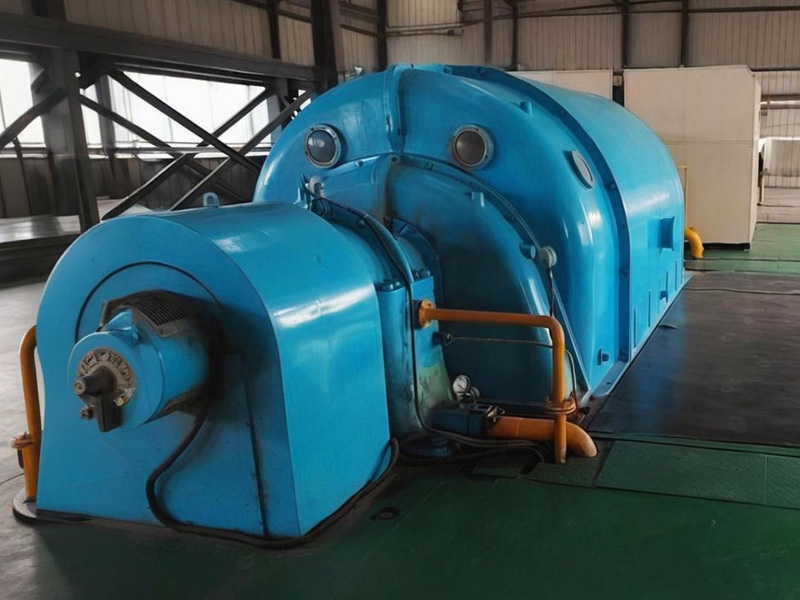
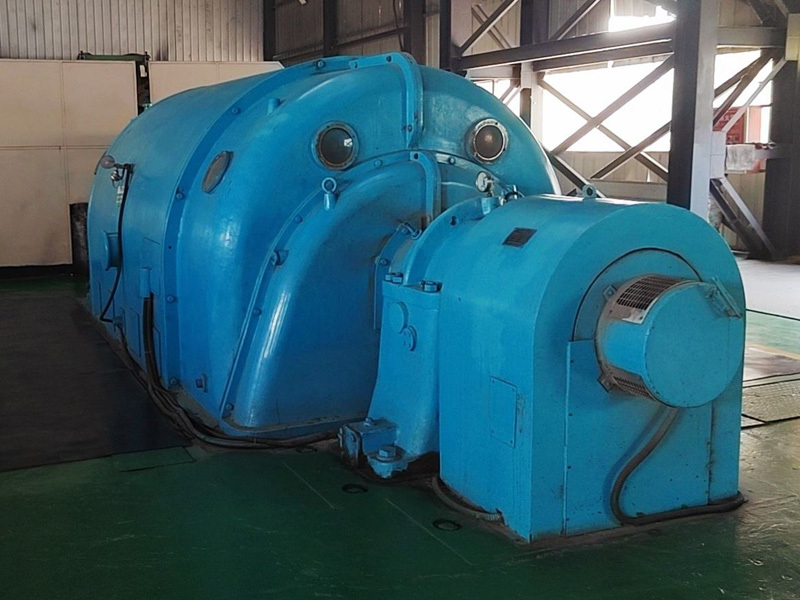
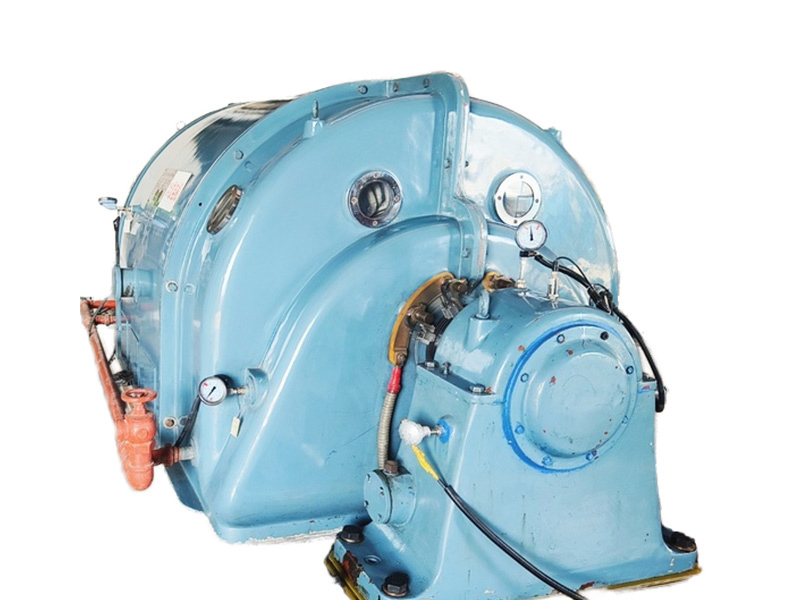
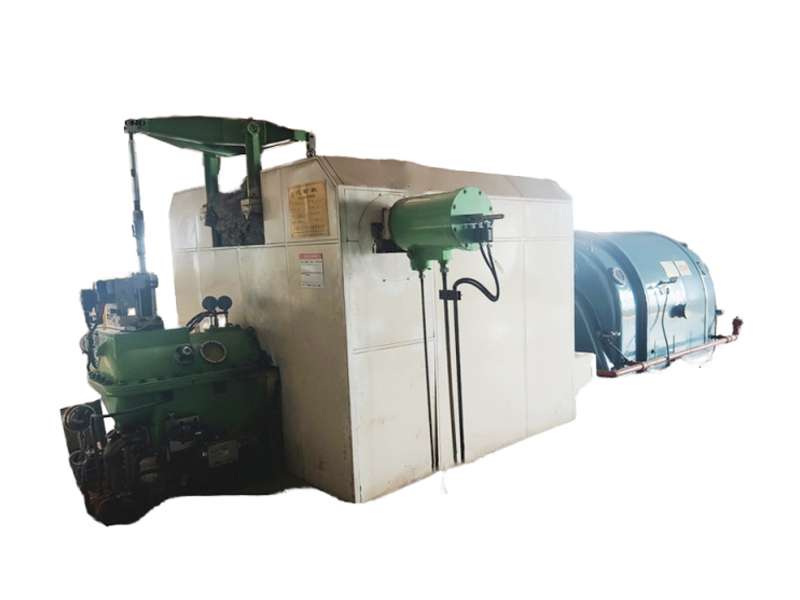
A high-pressure steam turbine is a rotating prime mover that utilizes high-temperature, high-pressure steam as its working fluid. Its core function is to efficiently convert the thermal energy of steam into mechanical energy. It is widely used in power generation, industrial drive systems, and energy recovery applications.
The primary parameters for a high-temperature, high-pressure steam turbine include the following aspects:
1.Steam Inlet Pressure: A high-temperature, high-pressure steam turbine requires a sufficiently high steam inlet pressure, typically within the range of 10–25 MPa.
2.Inlet Steam Temperature: Designed to operate in a high-temperature, high-pressure environment, it must withstand correspondingly high inlet steam temperatures, generally between 500°C and 600°C.
3.Rotational Speed: To meet the demands of high power output, a high-temperature, high-pressure steam turbine requires a sufficiently high rotational speed. Typically, the operational speed ranges from 3,000 to 5,000 rpm.
- Luoyang Hanfei Power Technology Co., Ltd
- Henan, China
- Possesses complete, stable, and efficient supply capabilities for steam turbines and their components.
- Information
- Download
High-Temperature, High-Pressure (HTHP) Steam Turbine
A High-Temperature, High-Pressure Steam Turbine refers to a steam power unit operating within a high main steam pressure range, representing a critical category within industrial steam turbines and power generation equipment.
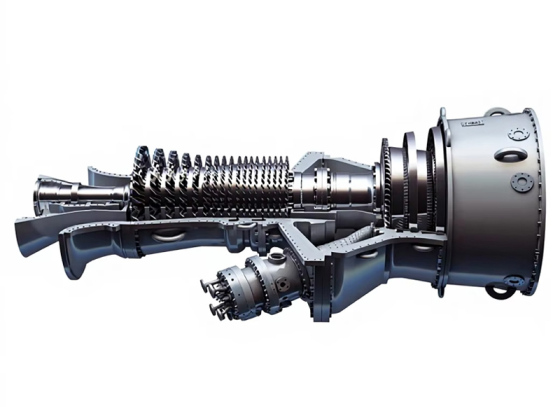
1. Structural Characteristics: HTHP steam turbines typically employ a double-casing design, comprising a horizontally split outer casing and a vertically split inner casing. This configuration optimizes thermal stress distribution and minimizes steam leakage risks. The bearing supports are mounted separately from the foundation, facilitating thermal expansion management. The inner casing often utilizes a barrel-type structure, achieving precise alignment via support lugs and locating pins. Pressure balance zones are incorporated to counteract vertical forces, thereby enhancing operational stability.
2. Working Principle and Classification: The turbine operates on the principle of steam expansion to convert thermal energy into mechanical energy. High-pressure steam turbines can be classified by working principle into impulse type and reaction type, distinguished by the degree of steam expansion within the stationary and moving blades. Classified by steam parameters, high-pressure turbines, along with low-pressure and other types, form a graded system.
3. Application Areas: High-pressure steam turbines are widely used in thermal power plants, large-scale chemical processes (e.g., driving compressors in ammonia synthesis plants), metallurgy, and marine propulsion systems. Their high-pressure characteristics make them suitable for applications requiring high power density and efficient energy conversion.
4. Technological Evolution: Modern high-pressure steam turbines are evolving towards higher parameters and larger capacities, such as subcritical and supercritical units, to improve thermal efficiency and reduce the levelized cost of electricity. Structurally, designs like combined high-pressure and intermediate-pressure casings and mono-block forged rotors are commonly adopted to enhance reliability and cost-effectiveness.
Cycle Efficiency Parameters of HTHP Steam Turbines
The cycle efficiency of an HTHP steam turbine refers to the ratio of the power output per unit of fuel to the calorific value of that unit of fuel. HTHP steam turbines are characterized by high cycle efficiency, primarily due to the following factors:
1.The turbine allows high-temperature, high-pressure steam to directly enter the turbine, minimizing the work required within the boiler and thus reducing thermal losses.
2.Optimized design of turbine blades and nozzles minimizes heat dissipation losses.
3.Under high-temperature and high-pressure conditions, steam undergoes significant expansion through the turbine stages, releasing energy more completely.
4.Rational turbine system design and thermodynamic cycle optimization enhance the utilization efficiency of thermal energy.
A high-pressure steam turbine is a rotating prime mover that uses high-temperature, high-pressure steam as its working fluid. Its core function is the efficient conversion of steam's thermal energy into mechanical energy. It is extensively applied in power generation, industrial drives, and energy recovery.
In Power Generation: As a key component in thermal or nuclear power plants, high-pressure steam turbines drive electrical generators. They are characterized by high unit power output and efficiency, making them suitable for large baseload power stations or combined heat and power (CHP) systems.
In Industrial Processes: They directly drive large machinery such as compressors, pumps, and fans, particularly in the petrochemical, fertilizer, and metallurgical industries. They provide stable power for high-load equipment and can meet process heating demands via extraction or back-pressure exhaust steam, enabling energy cascade utilization.
Technical Advantages: Through advanced parameter designs like ultra-high pressure and supercritical cycles, high-pressure steam turbines can achieve thermal efficiencies exceeding 40%, with some combined-cycle systems surpassing 50%, contributing to reduced energy consumption and emissions. Their rotating mechanism also offers a long service life and stable maintenance intervals.
Auxiliary System Support: High-pressure oil pumps supply lubrication, control oil pressure, and enable emergency shutdown functions, ensuring safe and reliable operation.