

- Home
- >
- Products
- >
- Medium Rotary Kiln
- >
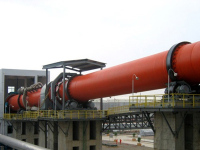
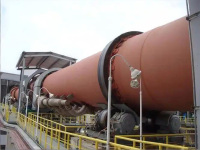
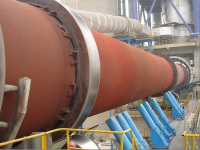
Medium Rotary Kiln
Medium Rotary Kiln
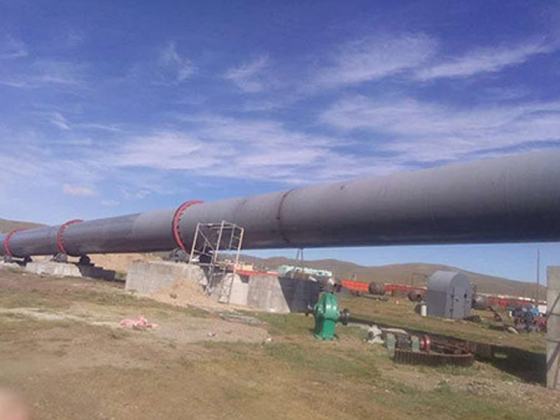
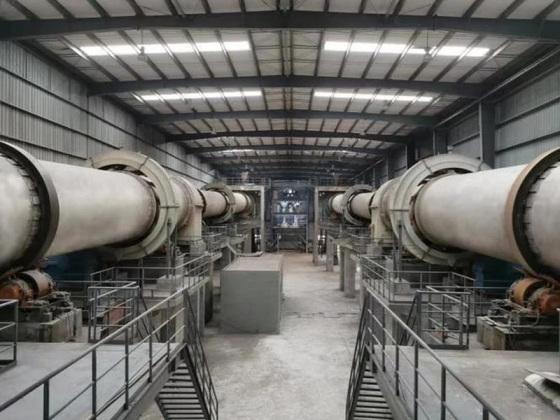
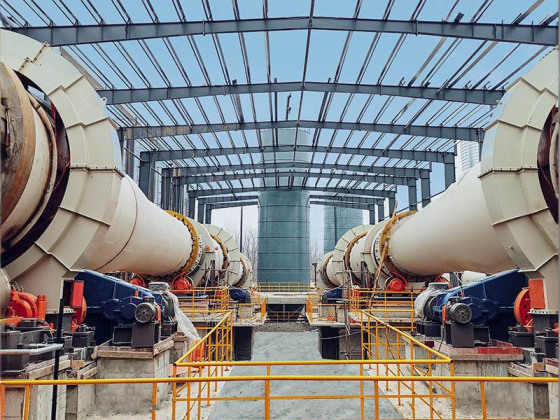
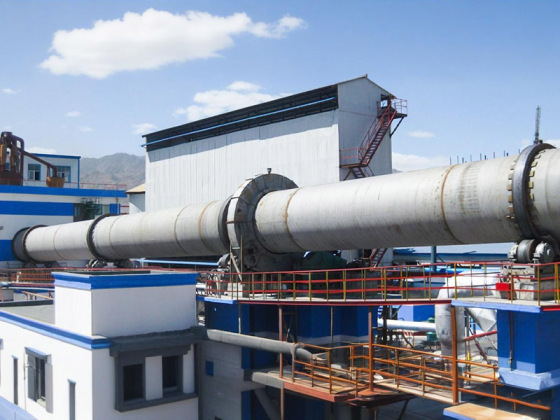
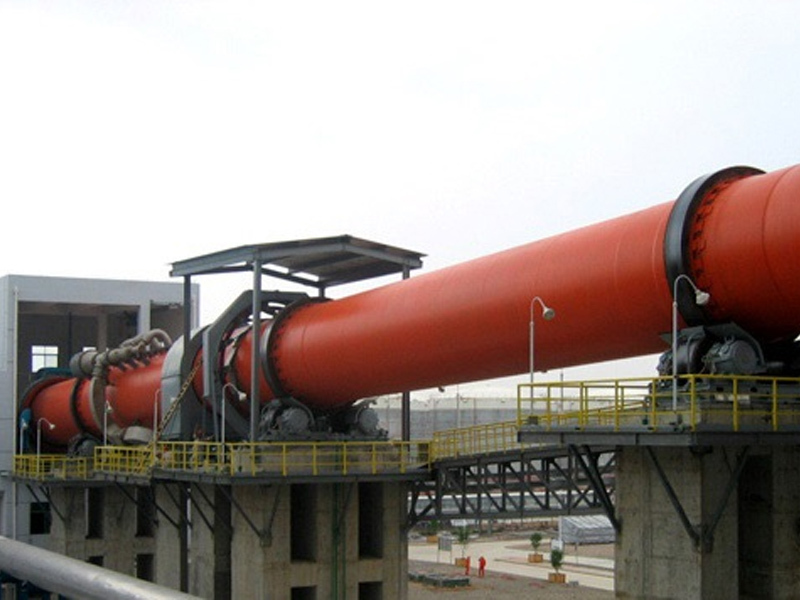
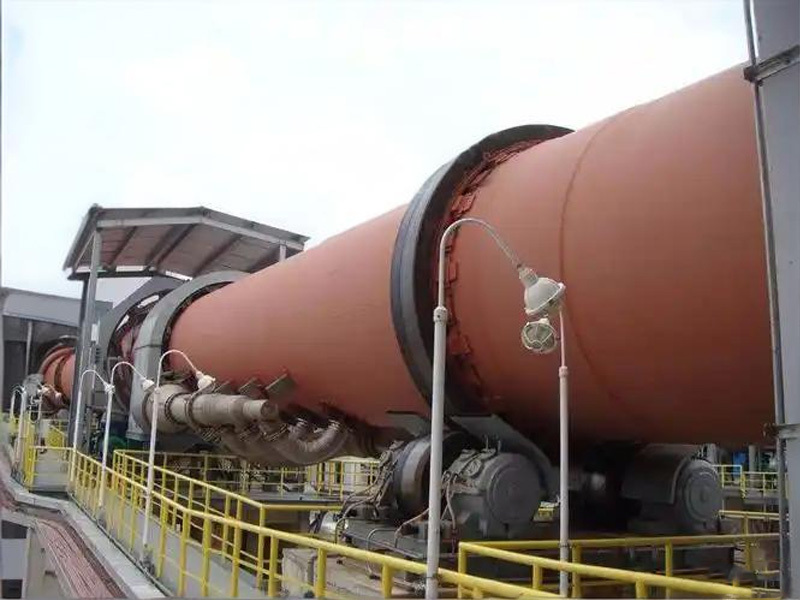
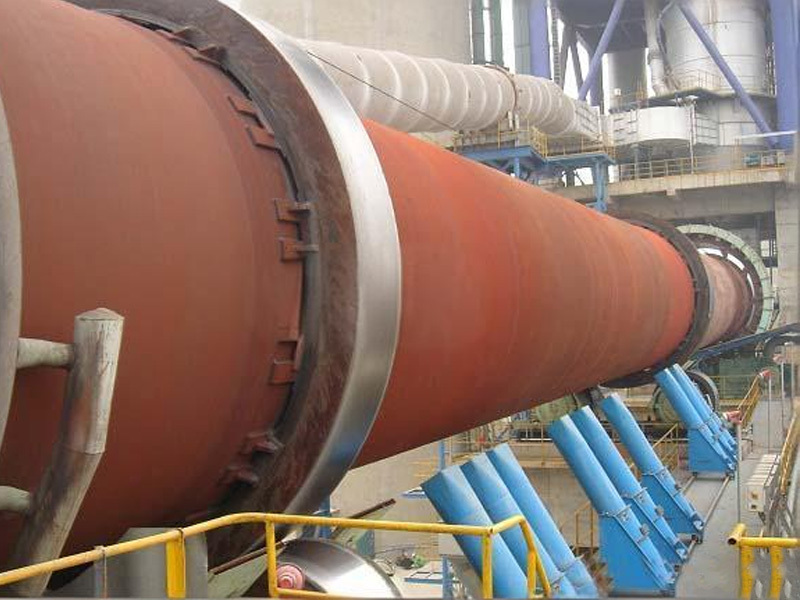
The medium rotary kiln is a core high-temperature processing equipment tailored for medium-scale production. It is installed at an inclination angle of 3%–4% and achieves slow rotation via gear transmission. Based on the core principle of "inclined rotation + countercurrent heat exchange," it ensures uniform tumbling and forward movement of materials while enabling efficient heat absorption and reaction. Its main structure consists of components such as the cylinder, support system, and drive mechanism, with a sealing system that maintains a stable thermal environment inside the kiln.
This equipment is widely used in applications including cement clinker calcination, metallurgical ore roasting, and harmless treatment of hazardous waste. Its key advantage lies in balancing production capacity and cost. It offers high efficiency in waste heat recovery, stable product quality, and excellent investment value, while remaining adaptable to a variety of materials. As such, it serves as the preferred equipment for medium-capacity enterprises engaged in scaled production.
- Luoyang Hanfei Power Technology Co., Ltd
- Henan, China
- Possesses complete, stable, and efficient supply capabilities for Rotary Kiln and their components.
- Information
Medium Rotary Kiln
The medium rotary kiln is a core high-temperature processing equipment with specifications between those of small and large models, specifically designed for medium-scale industrial production scenarios. This equipment skillfully balances processing capacity with energy consumption and investment costs. It offers higher output than smaller units while incurring lower investment and maintenance costs compared to larger ones. It is widely suitable for high-temperature calcination, roasting, and hazardous waste treatment needs across multiple industries such as cement, metallurgy, chemical engineering, and environmental protection, making it the preferred core equipment for medium-capacity enterprises aiming to achieve scaled production.
In terms of structural design, the medium rotary kiln combines stability with adaptability. Its core consists of key components including the cylinder, supporting device, drive system, sealing system, and fuel combustion device.
The cylinder is formed by rolling and welding alloy steel plates, with a wall thickness of approximately 25-50 mm. Thickness design is optimized in different sections based on working conditions to enhance structural stability. The interior is lined with 230-300 mm thick refractory materials, often high-alumina bricks or silicon carbide bricks, capable of withstanding temperatures above 1200°C and resisting material corrosion.
The supporting device includes riding rollers, tire rings, and thrust rollers. Key load-bearing components such as tire rings are made of alloy cast steel, offering excellent wear and high-temperature resistance. The drive system is equipped with main and auxiliary motors, enabling slow and adjustable rotation at 0.125-4.165 r/min via gear transmission. The auxiliary power supply ensures smooth kiln operation during power outages. The sealing system employs a composite structure of graphite blocks, fish-scale plates, and pneumatic compression, effectively reducing air and material leakage, maintaining a stable thermal environment inside the kiln, and minimizing heat loss.
Its working principle is based on a thermochemical reaction process that coordinates "mechanical motion and heat exchange", with the core logic being "inclined rotary drive + countercurrent heat exchange". The kiln body is installed at an inclination of 3%-4%. Materials are continuously fed into the kiln from the tail (high end) and, under the combined action of gravity and centrifugal force generated by the cylinder's rotation, follow a spiral forward trajectory. This ensures both uniform tumbling and mixing as well as steady movement toward the kiln head (low end). Fuel is burned in the combustion device at the kiln head, generating high-temperature gas flow up to 1600°C, which flows counter-currently to the material. Heat is efficiently transferred through radiation, convection, and conduction.
Inside the kiln, materials undergo staged processing: moisture is removed in the drying zone; dehydration and volatile removal occur in the preheating zone; core chemical reactions such as carbonate decomposition and solid-phase reactions take place in the calcination zone; and finally, the qualified product is discharged from the kiln head and enters the cooling system for temperature reduction. By precisely controlling rotation speed, inclination angle, and temperature gradient, the equipment optimizes material residence time and heat exchange efficiency, ensuring stable product quality.
Medium rotary kilns can be categorized into three main types based on the materials processed and heating methods: cement kilns, metallurgical/chemical kilns, and lime kilns, each with highly targeted application scenarios.
• In the cement industry, it serves as the core equipment for dry-process or wet-process production lines, used for calcining cement clinker. Dry-process technology offers lower energy consumption, while wet-process technology ensures more uniform raw material mixing, improving resource utilization.
• In the metallurgical and chemical sectors, it is suitable for processes such as magnetizing roasting of lean iron ore, oxidizing roasting of chromite/nickeliferous iron ore, roasting of refractory materials, and desulfurization of bauxite, helping to enhance metal extraction efficiency.
• In the environmental protection field, it achieves harmless treatment of hazardous waste through high-temperature incineration. Harmful components can be converted into constituents of cement clinker, while integrated multi-stage purification systems control emissions, accomplishing both environmental protection and resource recovery goals.
• Additionally, it can be used in the chemical industry for processes such as activated carbon production and catalyst carrier preparation, meeting the high-temperature processing needs of various materials.
The core advantages of the medium rotary kiln are reflected in three dimensions: high efficiency and stability, economic practicality, and strong adaptability.
1.High Efficiency, Output, and Stable Quality: Equipped with a kiln-tail preheater and kiln-head cooler system, it recovers waste heat to preheat limestone to its initial decomposition temperature. This boosts output while reducing specific heat consumption. Uniform heating of materials results in low rates of under-burning and over-burning.
2.Outstanding Economic and Environmental Benefits: It offers a high investment value, with good sealing performance and relatively low energy consumption. The exhaust gas temperature is low and dust content is minimal, making it easier to achieve emission standards and keeping operational costs manageable.
3.Strong Adaptability and Reliability: It can handle heterogeneous or moisture-containing materials. The length-to-diameter ratio can be adjusted to suit different processes. Its modular design facilitates maintenance, and the drive system's auxiliary power supply further reduces failure risks. With the widespread adoption of fully automated control systems, its operational procedures continue to simplify, solidifying its central role in medium-scale industrial production.