

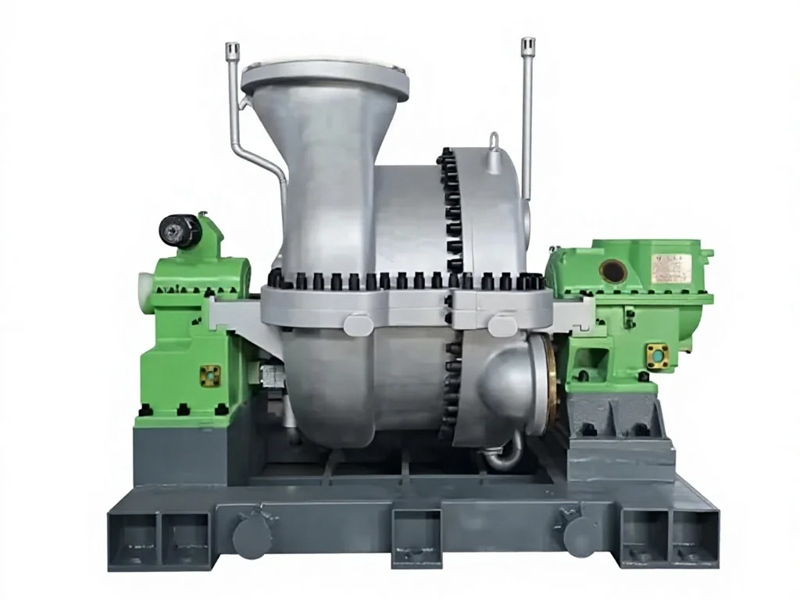
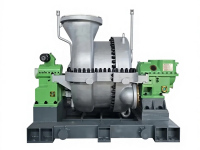
Low Temperature And Low Pressure Steam Turbine
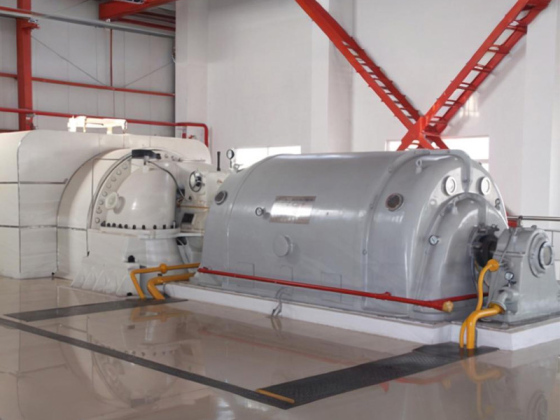
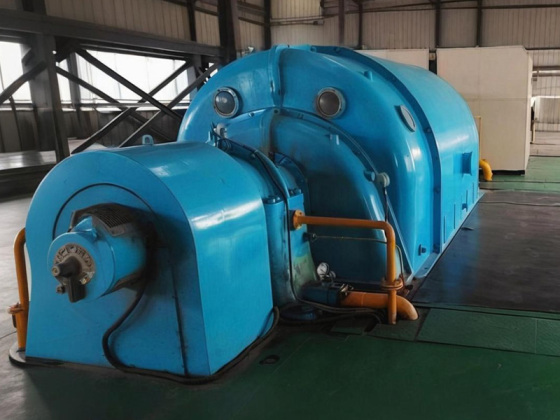
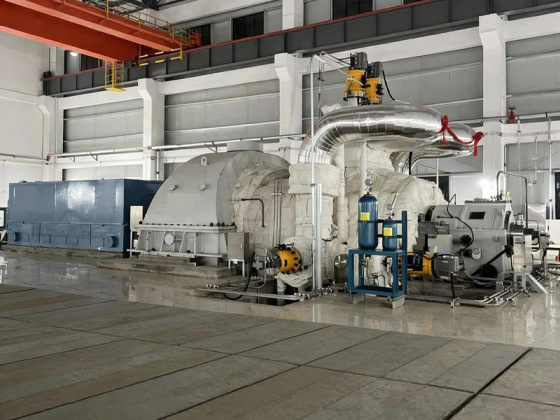
Low-temperature and low-pressure steam turbines typically refer to steam turbines that operate under relatively low temperature and pressure conditions. Their primary role is to achieve efficient energy conversion and adapt to specific application scenarios.
The core function of a low-temperature and low-pressure steam turbine is to convert the thermal energy of low-temperature, low-pressure steam into mechanical energy. Its working principle is based on the step-by-step expansion of steam performing work across multiple stages of blades, ultimately condensing the exhaust steam into water to complete the energy conversion cycle.
- Luoyang Hanfei Power Technology Co., Ltd
- Henan, China
- Possesses complete, stable, and efficient supply capabilities for steam turbines and their components.
- Information
- Download
Low-Temperature, Low-Pressure Steam Turbine
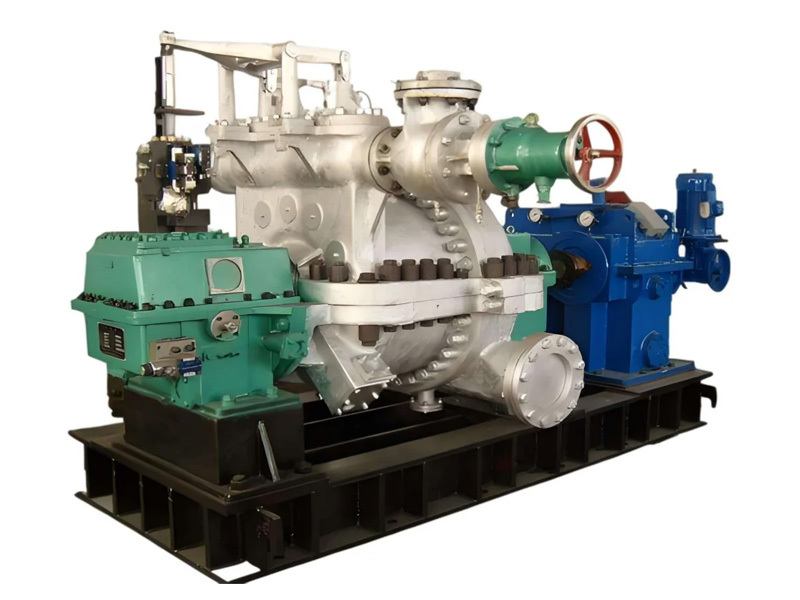
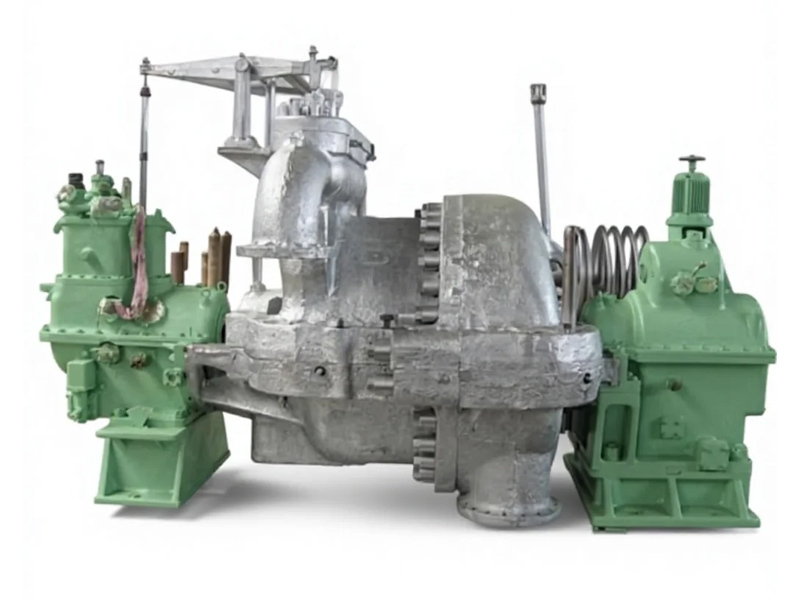
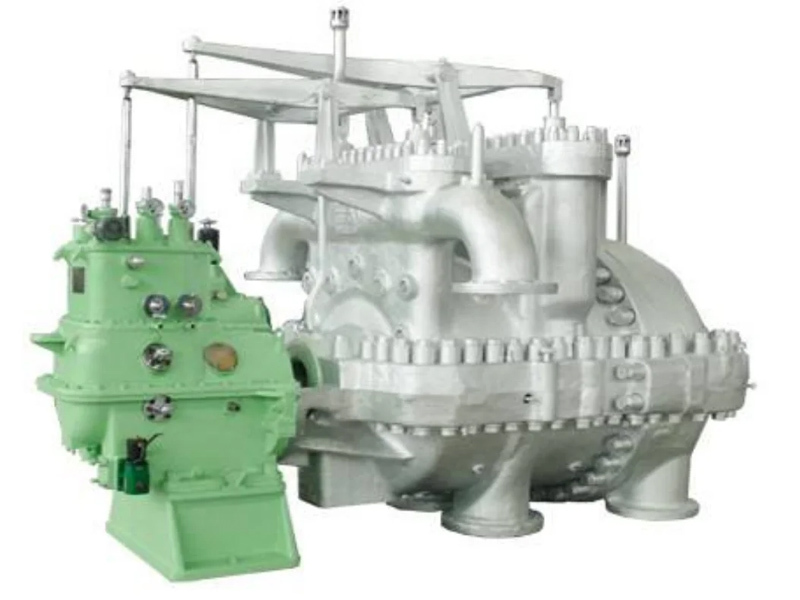
A low-temperature, low-pressure steam turbine is a thermal power device designed to operate under low-parameter (low-temperature, low-pressure) steam conditions. Its core value lies in the efficient recovery and conversion of low-grade thermal energy, making it widely applicable in the terminal stages of energy utilization. Its working principle is based on the gradual expansion of steam across multi-stage blades, converting thermal energy into mechanical energy. The exhaust steam, after performing work, is discharged into a condenser where it condenses into water, forming a closed-loop energy cycle. This effectively unlocks the utilization value of low-grade energy sources such as waste heat and geothermal energy.
Core Parameter Standards
The performance and suitability of a low-temperature, low-pressure steam turbine are determined by several key parameters, which serve as the essential basis for selection and operational optimization, as detailed below:
1. Rated Capacity: The typical range is from tens to hundreds of kilowatts. It can be flexibly customized according to the scale of waste heat and heating demands, making it suitable for small to medium-scale energy recovery scenarios.
2. Operational Efficiency: Primarily depends on flow path design, component manufacturing precision, and operational condition matching. Conventional operational efficiency is ≥20%, and can be further improved by optimizing inter-stage coordination.
3. Cooling-to-Heating Ratio: This is the ratio of cooling capacity supplied to heat consumed per unit time, serving as a key indicator for energy balance. It is typically maintained above 1.5 to ensure load stability.
4. Steam Parameters: Inlet pressure is generally between 0.1 and 0.4 MPa. Inlet/outlet temperatures are adapted to low-temperature conditions. Precise matching with the upstream heat source and downstream condensing equipment is crucial to ensure operational stability.
5. Rated Speed: Usually ≤3000 rpm, often matching the speed requirements of synchronous generators to achieve stable conversion of mechanical energy into electrical energy.
Structural Characteristics
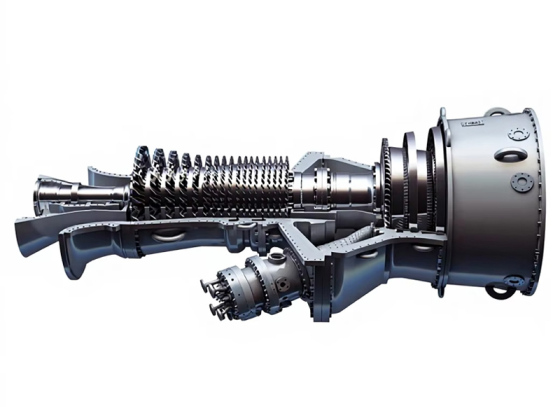
The structural design of low-temperature, low-pressure steam turbines accommodates negative pressure and low-parameter operating conditions. The core features revolve around the low-pressure cylinder and its auxiliary systems, as follows:
1. Structural Position and Operating Conditions: In multi-cylinder units, it corresponds to the low-pressure cylinder section. Compared to high and intermediate-pressure cylinders, its structure is larger in size and operates entirely under negative pressure (vacuum) conditions, adapting to the requirements for exhaust steam expansion work.
2. Core Component Design: The low-pressure cylinder is the core component, utilizing a double-layer welded shell structure to handle thermal load fluctuations. It is equipped with protective devices such as vacuum breakers to prevent air ingress, which could lead to a decrease in vacuum level and abnormal exhaust temperature rise.
3. Blade and Rotor Characteristics: Under low-pressure conditions, the specific volume of steam increases dramatically. The final-stage blades require a lengthened design to accommodate the large volumetric flow rate and withstand higher mechanical loads. The blade root employs a complex structural design, meeting stringent industrial safety standards.
4. Sealing System: The vacuum environment at both ends of the low-pressure cylinder makes it susceptible to air leakage, making the shaft sealing system crucial. Modern units often employ self-sealing systems, which utilize cooled leakage steam from the shaft seals of the high and intermediate-pressure cylinders as the sealing steam supply for the low-pressure shaft ends. This approach balances sealing effectiveness with waste heat recovery.
5. Operational Protection Mechanism: The system relies on the condenser to maintain a high vacuum for efficiency. During startup or under low-load conditions, a minimum cooling steam flow of 5%-10% of the design flow must be maintained to prevent overheating and damage to the low-pressure cylinder caused by windage friction.
Operational Characteristics
1. High Efficiency and Energy Saving: Specifically designed for low-grade thermal energy, it can fully recover resources like industrial waste heat and geothermal energy that are difficult to utilize by conventional means, enabling energy cascade utilization without additional energy waste.
2. Environmental Protection and Emission Reduction: By recovering waste heat to replace fossil fuel consumption, it reduces greenhouse gas and pollutant emissions. This aligns with low-carbon environmental policies and supports the transition of the energy structure.
3. High Reliability: The structural design is simple, with low wear and long service life for core components. Daily maintenance requirements are minimal, allowing adaptation to long-term continuous operation with controllable operational costs.
Application Scenarios
Leveraging its adaptability to low parameters and advantages in efficiency and energy saving, low-temperature, low-pressure steam turbines are widely used in the following fields:
1. Combined Heat and Power (CHP): Suitable for small and medium-scale CHP projects, recovering waste heat from power generation for heating purposes. This enables the coordinated supply of electrical and thermal energy, improving comprehensive energy efficiency.
2. Industrial Waste Heat Recovery: Used in industries such as chemicals, papermaking, and steel, to recover low-temperature waste heat from production processes and convert it into mechanical or electrical energy, thereby reducing enterprise energy consumption.
3. Geothermal Power Generation: Adapts to the low-parameter characteristics of geothermal resources, converting geothermal steam energy into electricity for the efficient utilization of clean energy.
In summary, the low-temperature, low-pressure steam turbine centers on the efficient utilization of low-grade thermal energy, combining advantages such as energy saving, environmental protection, and reliability. Through precise matching of parameters and operating conditions, it plays an irreplaceable role in energy recovery and cascade utilization systems, providing important technical support for the development of low-carbon industries and clean energy.