

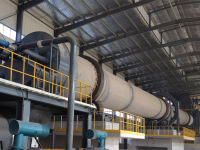
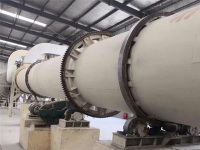
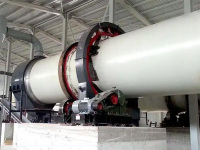
High Temperature Rotary Kiln
High-Temperature Rotary Kiln
A high-temperature rotary kiln is a continuous thermal processing equipment used for the high-temperature calcination of materials, typically operating at temperatures above 800°C. Among these, high-temperature rotary kilns operating at 1200°C are widely applied in fields such as metallurgy, building materials, chemical engineering, and environmental protection.
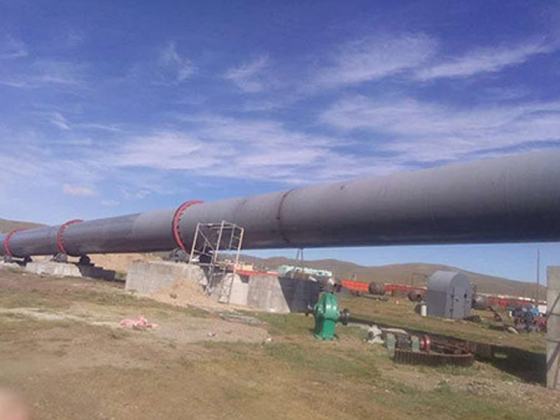
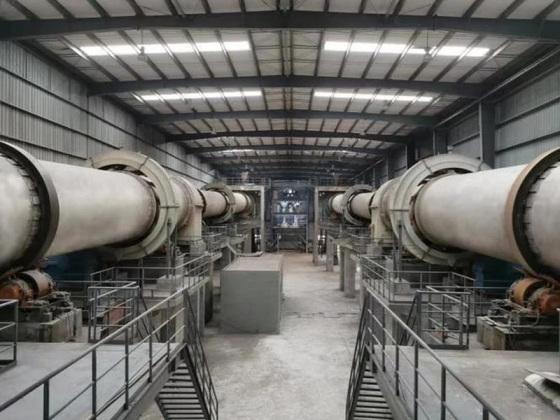
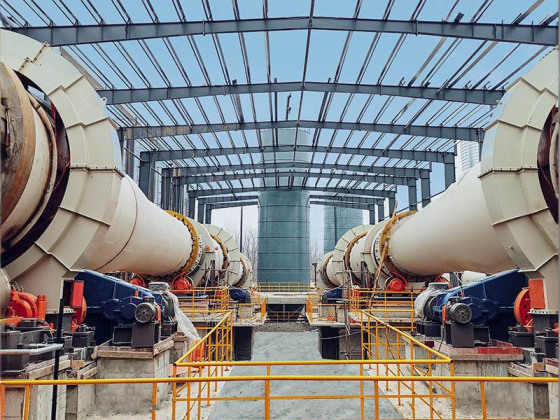
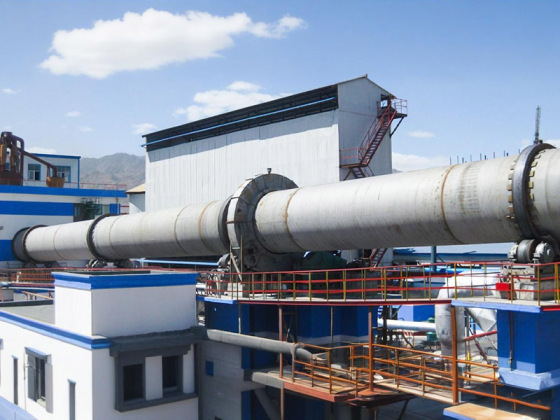
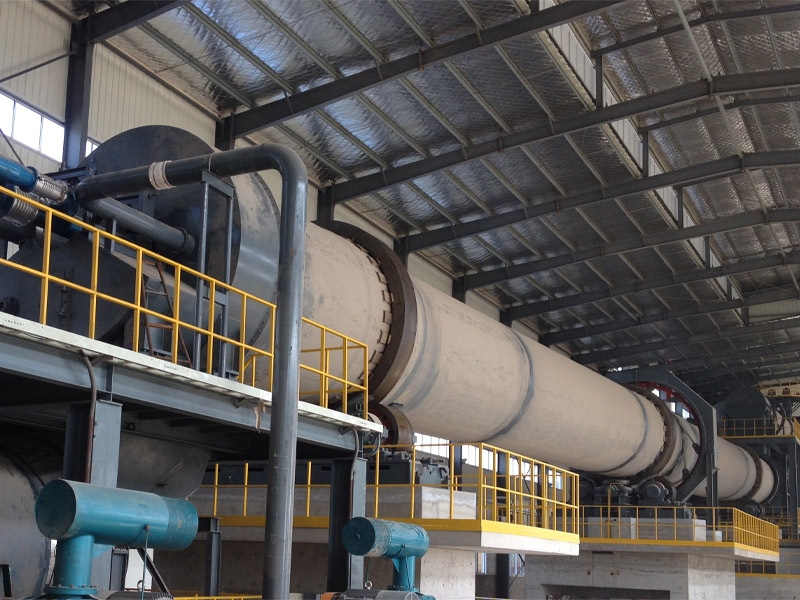
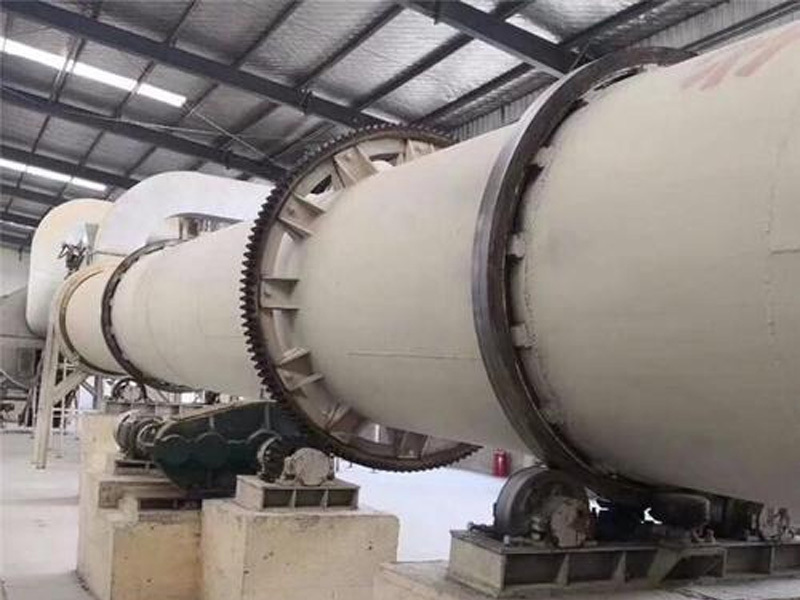
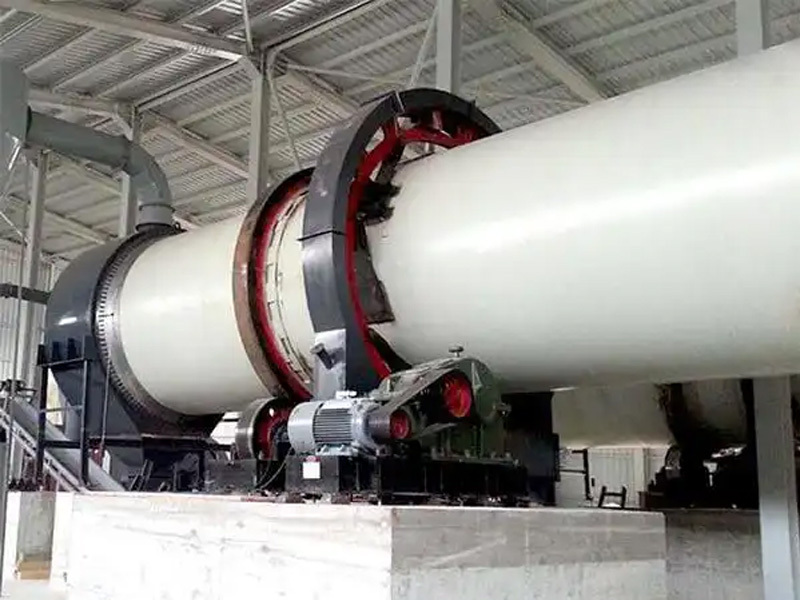
The basic structure of a high-temperature rotary kiln consists of an inclined cylindrical furnace body. Through rotation, materials are continuously tumbled during heating to achieve uniform heat distribution and efficient reactions. Its working process mainly includes three stages: material preheating, high-temperature calcination, and cooling/discharge. Materials enter from the high end of the kiln, are preheated using waste heat from the kiln tail, then proceed to the high-temperature zone to undergo physical or chemical reactions (e.g., decomposition of calcium carbonate), and are finally cooled and discharged. rotary kiln Kiln.
- Luoyang Hanfei Power Technology Co., Ltd
- Henan, China
- Possesses complete, stable, and efficient supply capabilities for Rotary Kiln and their components.
- Information
High-Temperature Rotary Kiln
The high-temperature rotary kiln is a core piece of equipment in the industrial sector, designed for high-temperature calcination and chemical reactions. With key advantages such as uniform material tumbling, thorough reaction, and strong continuous production capacity, it is widely used in critical industries including cement, metallurgy, chemical engineering, and environmental protection. Through its inclined rotating cylinder structure, it achieves continuous conveying and deep processing of materials within a sealed high-temperature environment. It serves as the "heart" of cement plants for clinker calcination, and also acts as essential support for metallurgical smelting, chemical material production, and hazardous waste treatment. It provides fundamental assurance for large-scale production and green development across multiple industries.
The working principle of the high-temperature rotary kiln centers on "inclined rotary drive + countercurrent heat exchange + zoned reaction," with its structural design precisely tailored to high-temperature operational requirements.
The main body of the equipment is an inclined, enclosed cylinder, typically tilted at an angle of 3.5% to 6%. Driven by primary and auxiliary transmission systems, it rotates slowly, allowing materials fed in from the kiln tail (feed end) to both tumble and mix due to rotational force and gravity, while moving uniformly toward the kiln head (discharge end). This ensures uniform heating and reaction. The kiln head and kiln tail are equipped with professional sealing devices to strictly maintain a stable high-temperature environment inside the kiln, preventing heat loss and gas leakage. The cylinder is lined with refractory bricks capable of withstanding temperatures up to 1600°C and chemical corrosion, extending the equipment's service life.
Its working process mainly includes three stages: material preheating, high-temperature calcination, and cooling/discharge. Materials enter from the high end of the kiln, are preheated using waste heat from the kiln tail, then proceed into the high-temperature zone to undergo physical or chemical reactions (e.g., decomposition of calcium carbonate), before finally being cooled and discharged.
The core advantages of the high-temperature rotary kiln are reflected across six dimensions:
1.Outstanding High-Temperature Processing Capability: Capable of reaching maximum temperatures up to 1600°C, and paired with specialized refractory linings, it can meet various high-temperature process requirements.
2.Large Processing Scale: Its continuous operation mode is suitable for large-scale industrial production. By adjusting the cylinder rotation speed and inclination angle, material residence time and processing capacity can be precisely controlled, flexibly matching different production needs.
3.Broad Industry Adaptability: Parameters such as temperature and rotation speed can be adjusted according to material characteristics and process requirements, enabling customized processing for multiple industries and various materials.
4.High Automation and Stability: Relying on rotary drive for automatic material tumbling reduces manual intervention. The primary and auxiliary transmission systems ensure long-term stable operation with low failure rates.
5.High Thermal Energy Efficiency: The countercurrent heat exchange design, combined with a waste heat recovery system, allows thermal energy to be used for power generation or raw material preheating, significantly reducing energy consumption and production costs.
6.High Functional Flexibility: It integrates multiple functions such as calcination, heat treatment, and resource recovery, greatly improving equipment utilization.
Its application scenarios cover core processes across multiple industries, demonstrating strong adaptability:
1.In the cement manufacturing sector, it is the core equipment for cement clinker calcination, transforming raw materials like limestone and clay into qualified clinker, directly determining cement quality.
2.In the metallurgical industry, it is used in processes such as magnetizing roasting of iron ore and metal smelting. Through high-temperature reactions, it removes impurities from ores and improves grade, laying the foundation for subsequent processing.
3.In chemical production, it enables the synthesis and preparation of chemicals such as soda ash, phosphate fertilizer, and barium sulfide, meeting the demand for specialized chemical raw materials.
4.In the environmental treatment field, it can incinerate industrial hazardous waste and municipal solid waste. Through high-temperature calcination, it decomposes harmful components into harmless ash and slag, achieving waste reduction and detoxification. Simultaneously, it can recover valuable components from scrap metals, enhancing resource utilization.