

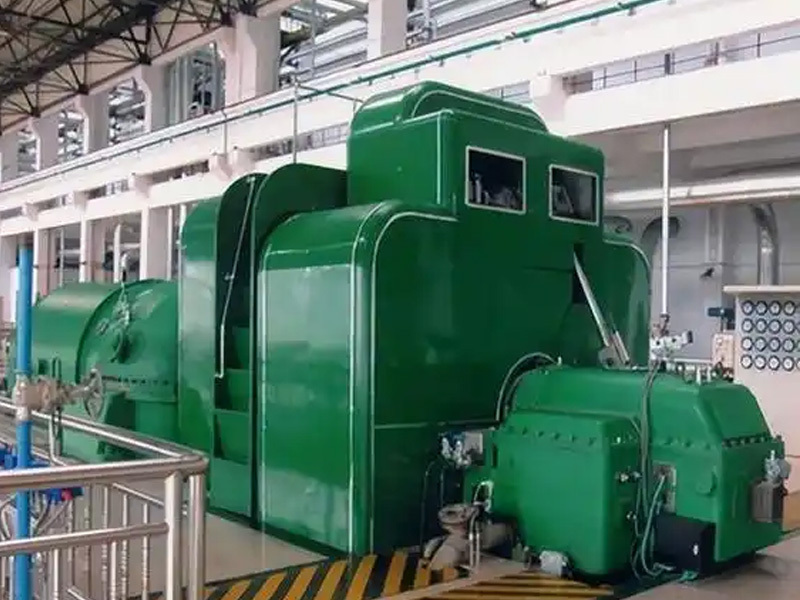
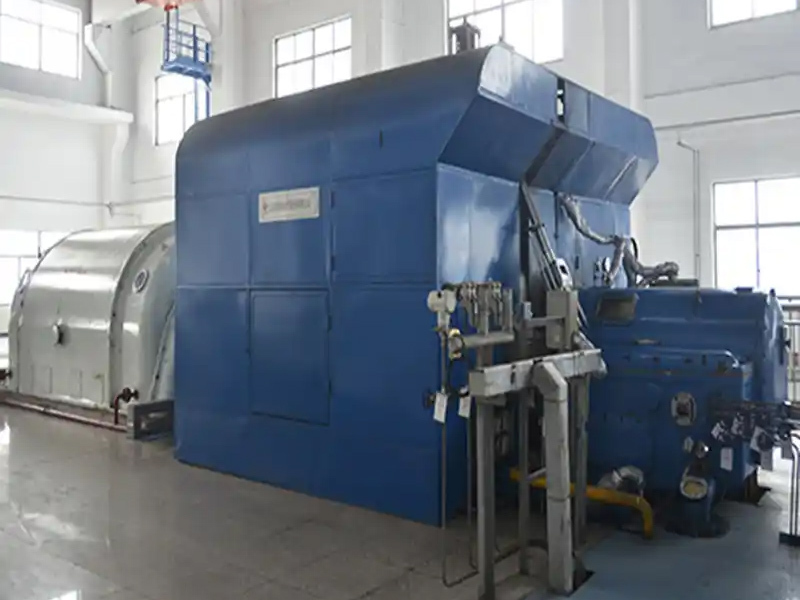
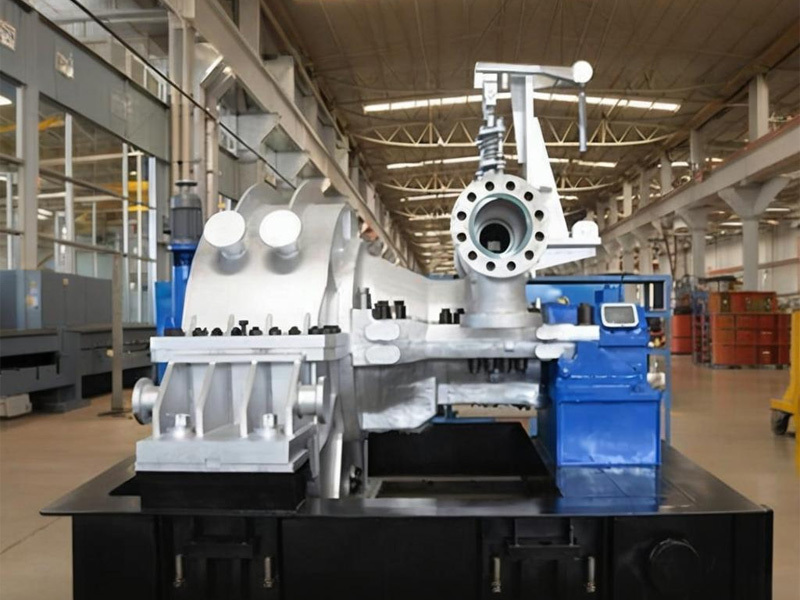
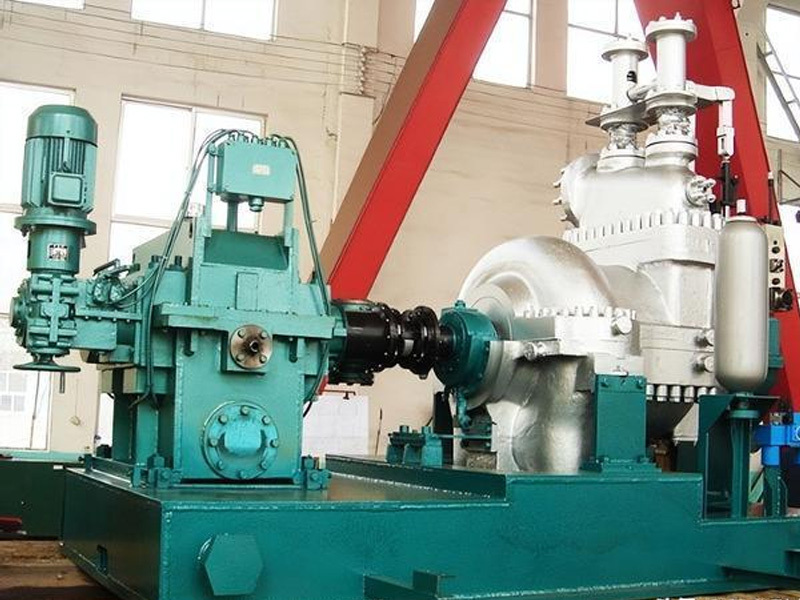
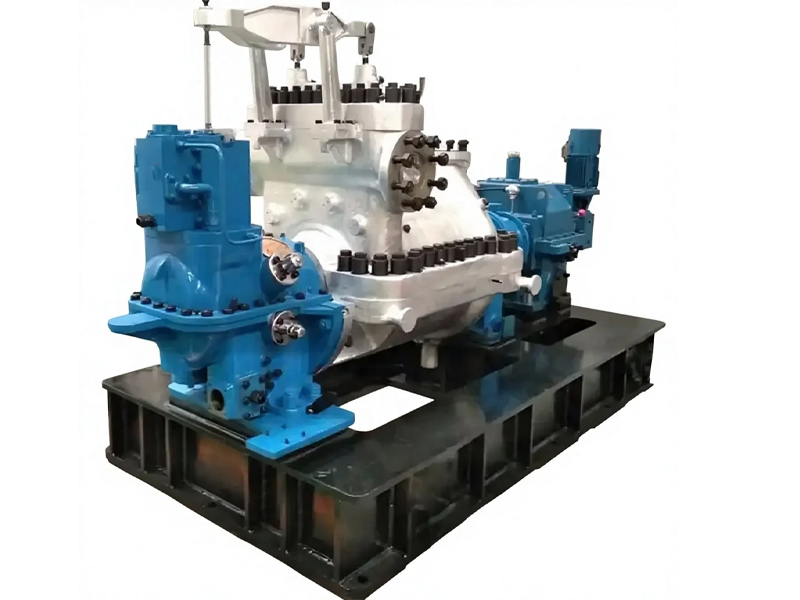
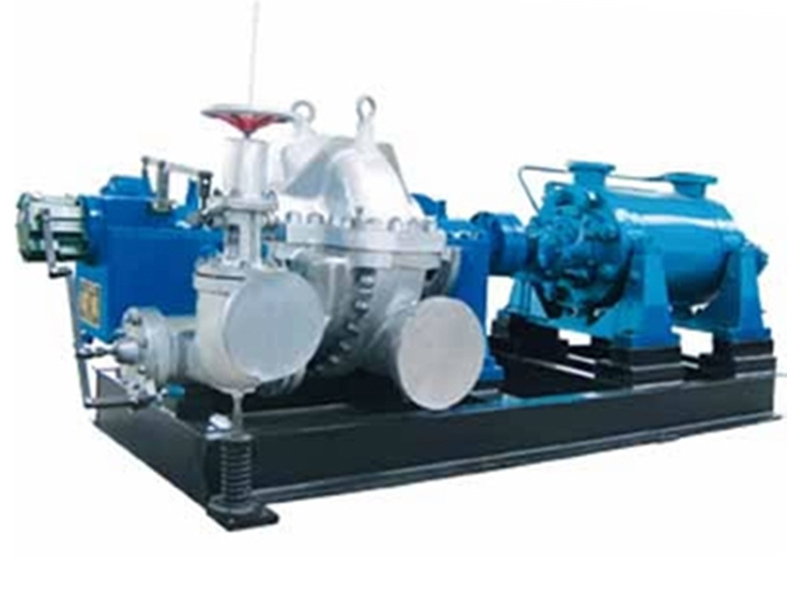
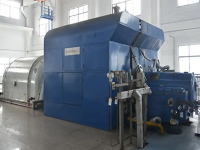
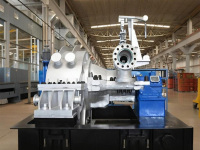
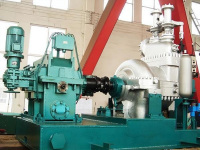
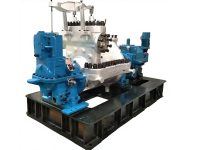
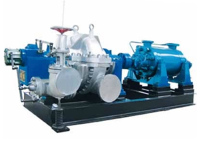
Extraction Back Pressure Turbine
Extraction Back-Pressure Steam Turbine
An extraction back-pressure steam turbine is a type of heating turbine that combines the operational characteristics of both extraction and back-pressure systems. It can extract higher-pressure steam from intermediate stages while utilizing the final exhaust steam (with back-pressure higher than atmospheric pressure) for heating purposes. This enables the simultaneous fulfillment of heating demands from users requiring different pressure levels.
The advantages of the extraction back-pressure steam turbine include high efficiency, stability, and environmental friendliness. First, due to its unique working principle, this turbine can fully utilize the energy of the steam, thereby improving overall efficiency. Second, its stable structure, long service life, and minimal maintenance requirements further enhance operational efficiency. Compared to conventional steam turbines, the extraction back-pressure turbine offers the following energy-saving advantages:
1.After the exhaust steam is extracted by the steam extraction pump, it returns to the low-pressure section to release thermal energy, improving the turbine's efficiency.
2.The steam flows back to the boiler after releasing thermal energy, forming a recycling system that reduces energy waste and environmental pollution.
3.The extraction back-pressure turbine exhibits strong adaptability to load changes, enabling rapid response and ensuring the stability and reliability of the power system.
- Luoyang Hanfei Power Technology Co., Ltd
- Henan, China
- Possesses complete, stable, and efficient supply capabilities for steam turbines and their components.
- Information
- Download
Extraction Back-Pressure Steam Turbine
An extraction back-pressure steam turbine is a typical type of thermal steam turbine with distinctive working principles and structural features. It combines the operational characteristics of both extraction and back-pressure systems. It can extract higher-pressure steam from intermediate stages while utilizing the final exhaust steam (with back-pressure higher than atmospheric pressure) for heating purposes. This enables the simultaneous fulfillment of heating demands from users requiring different pressure levels.
The working principle of an extraction back-pressure steam turbine is highly unique. Steam undergoes a series of conversion processes within the turbine. It first enters through the inlet chamber, expands in the nozzles to drive the turbine rotation, then continues to expand in the cylinders, thereby reducing pressure and temperature. Finally, the steam is discharged from the exhaust chamber with increased pressure and temperature. This process fully utilizes the energy of the steam, improving the turbine's efficiency.
Specifically, the working principle is as follows: After the fresh steam enters the high-pressure section of the turbine and expands to perform work, a portion of the steam is extracted to supply thermal users requiring higher pressure levels. The remaining steam continues into the low-pressure section to expand and perform work, eventually being discharged at a pressure higher than atmospheric pressure to supply thermal users requiring lower pressure levels. The flow path is typically divided into high-pressure and low-pressure sections, with an extraction port located between them. The extraction pressure is regulated by a pressure governor to maintain stability, while the steam flow through the low-pressure section is adjusted via mechanisms such as control valves or rotating diaphragms.
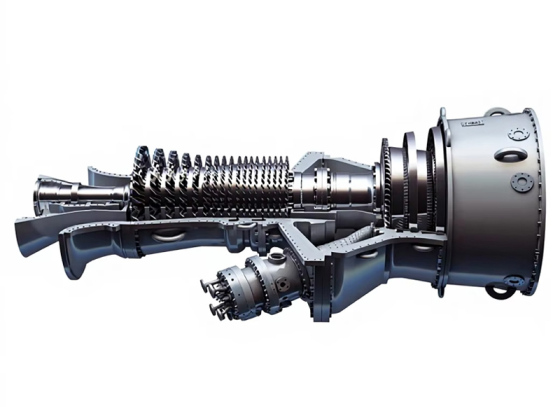
The structure of a back-pressure extraction steam turbine mainly consists of an inlet chamber, nozzles, cylinders, turbine rotors, diffusers, and an exhaust chamber. The inlet chamber guides high-temperature, high-pressure steam into the turbine. The nozzles convert the steam's pressure into kinetic energy to drive the turbine rotation. The cylinders and turbine rotors function to increase the steam's kinetic energy and pressure, allowing it to be discharged from the exhaust chamber at higher pressure and temperature.
The advantages of an extraction back-pressure steam turbine include high efficiency, stability, and environmental friendliness. First, due to its unique working principle, this turbine can fully utilize the energy of the steam, thereby improving efficiency. Second, its stable structure, long service life, and minimal maintenance requirements further enhance operational efficiency. Finally, the exhaust gases discharged by the extraction back-pressure turbine comply with environmental standards and have minimal environmental impact.
1.High Efficiency and Energy Saving: Since all exhaust steam is used for heating, there is no cold source loss as in condensers, resulting in very high overall thermal energy utilization efficiency. Its economic performance is comparable to that of back-pressure turbines.
2.Cogeneration: It can simultaneously supply electrical energy and two different pressure levels of thermal energy, enhancing comprehensive energy utilization efficiency.
3.Operational Limitations: The output power of the unit mainly depends on the total amount of steam supplied for heating. It cannot freely adjust the electrical load independently of the thermal load. Therefore, it typically needs to operate in parallel with other types of generating units or be integrated into the grid to ensure power supply stability and flexibility.
4.Load Adaptability: It exhibits excellent economic performance under design conditions, but its adaptability to changes in thermal and electrical loads is relatively poor.
Extraction back-pressure steam turbines are suitable for scenarios with relatively stable thermal loads and varying pressure-level heating demands, such as in-plant power plants of enterprises with stable process heating requirements or regional thermal power plants. Extraction back-pressure turbines have a wide range of applications. For example, they can be used for power generation as energy sources for large or small-scale power facilities. Additionally, they are employed in industrial production fields such as chemical plants and paper mills to power production lines. At the same time, due to their efficient energy utilization and environmental benefits, extraction back-pressure steam turbines are also widely used in public service sectors such as urban heating.
Difference from Extraction Condensing Steam Turbines: The key distinction lies in the exhaust pressure. The exhaust pressure of an extraction back-pressure steam turbine is higher than atmospheric pressure and is used for heating. In contrast, the exhaust pressure of an extraction condensing steam turbine is below atmospheric pressure, with the steam ultimately discharged into a condenser to condense. Its heat-to-power ratio can vary significantly across different operating conditions.
Difference from Pure Back-Pressure Steam Turbines: Pure back-pressure steam turbines only supply heat via back-pressure exhaust, whereas extraction back-pressure steam turbines add intermediate extraction functionality, enabling the supply of higher-pressure steam to meet more diverse thermal user demands.
In summary, an extraction back-pressure steam turbine is a cogeneration device with high economic efficiency under specific thermal load conditions. Its operation follows a heat-determined-power principle and relies on grid integration to balance electricity supply and demand. Overall, the extraction back-pressure steam turbine is an efficient and stable thermal steam turbine with a unique working principle, robust structure, good environmental characteristics, and a wide range of application scenarios.