


Desulfurization Gypsum Rotary Kiln
Desulfurization Gypsum Rotary Kiln
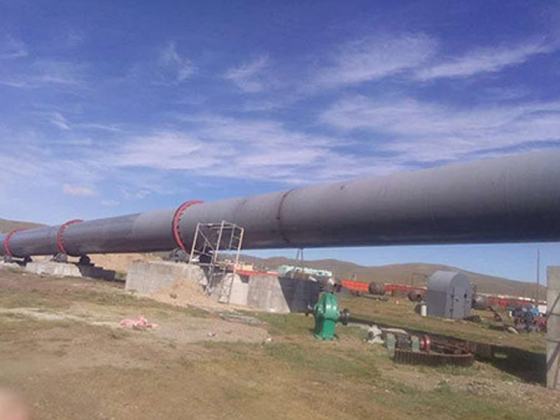
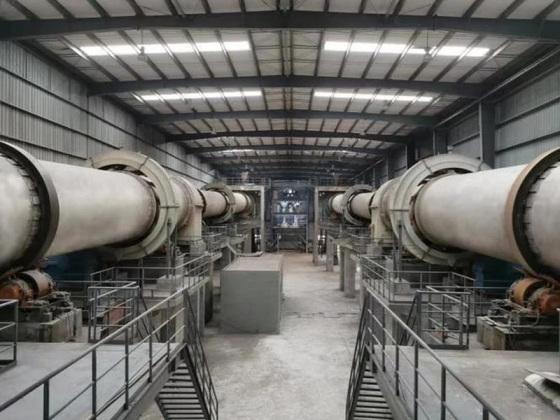
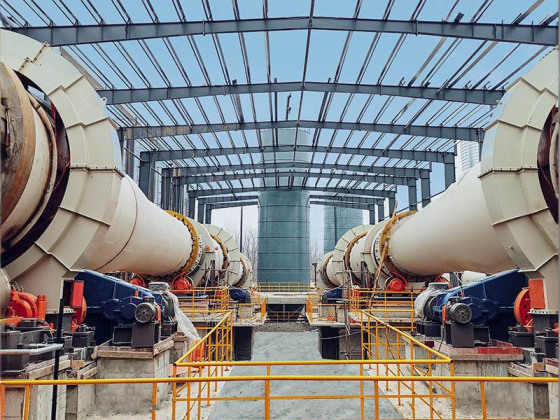
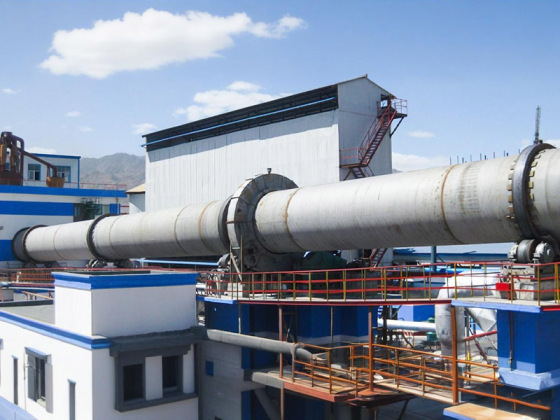
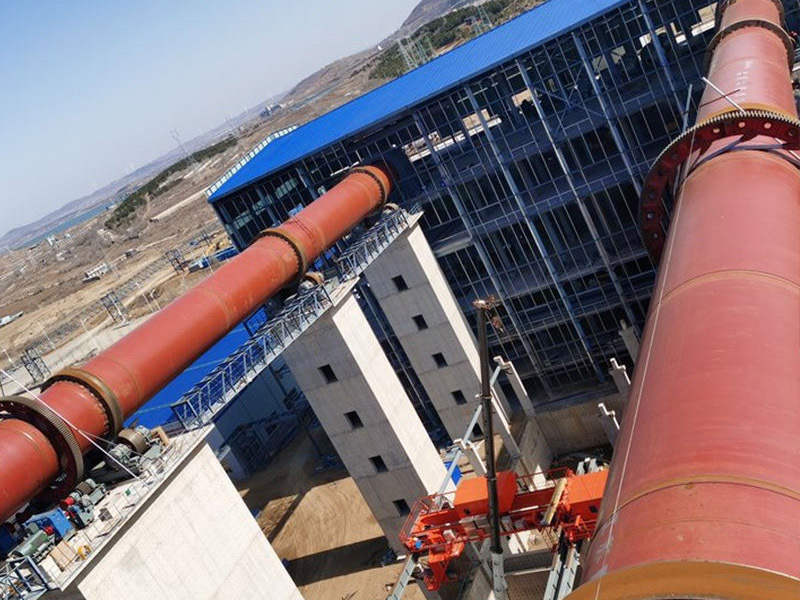
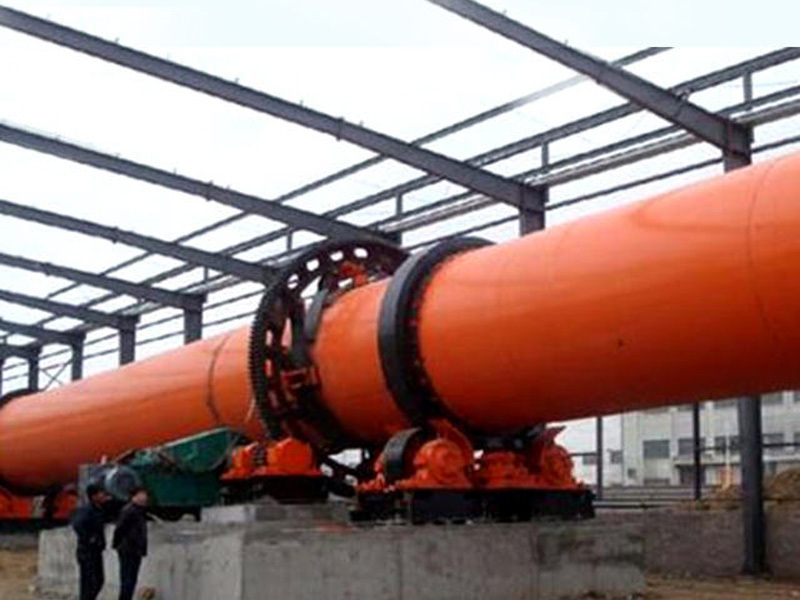
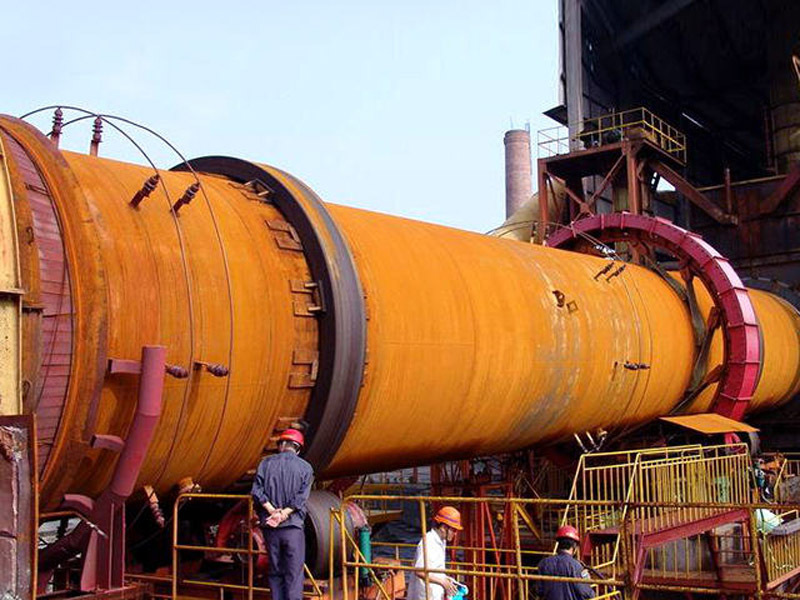
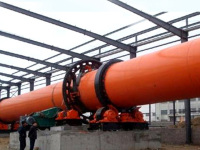
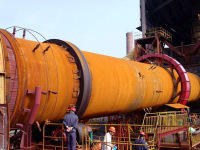
The desulfurization gypsum rotary kiln is a calcination equipment used for processing gypsum ore. It operates reliably, is energy-efficient and environmentally friendly, and simple to operate. It can calcine dozens of minerals, including magnesia, bauxite, and limestone, with excellent processing results. The structure of the desulfurization gypsum rotary kiln mainly includes the kiln head section, kiln tail sealing device, wheel support devices, thrust roller devices, supporting devices, rotary cylinder, coal injection pipe device, and more, featuring an overall rational design.
The desulfurization gypsum rotary kiln is a key equipment used to calcine desulfurization gypsum into semi-hydrated gypsum or anhydrous gypsum. Its characteristics encompass multiple aspects such as process type, equipment structure, operational performance, and application adaptability. It serves as critical equipment for the resource utilization of solid waste in thermal power plants. The equipment can be customized based on material properties and serves fields such as building materials and chemical industries, promoting the circular utilization of industrial by-product gypsum.
- Luoyang Hanfei Power Technology Co., Ltd
- Henan, China
- Possesses complete, stable, and efficient supply capabilities for Rotary Kiln and their components.
- Information
Desulfurization Gypsum Rotary Kiln
The desulfurization gypsum rotary kiln is a key equipment for the resource utilization of industrial by-product desulfurization gypsum. It converts calcium sulfate dihydrate into hemihydrate gypsum or anhydrous gypsum through high-temperature calcination and is widely used in the building materials industry, such as in the production of plastering gypsum, adhesive gypsum, and other products.
Working Principle and Process Characteristics: The desulfurization gypsum rotary kiln is a type of rotating calcination kiln. Its core principle involves achieving uniform heating of materials through dynamic calcination within the rotary kiln. Materials are fed from the kiln head and move axially forward due to the rotation of the cylinder, while lifting flights tumble the materials to ensure full contact with the heat source. A combustion chamber is located outside the kiln body, and heat is transferred through the cylinder to dehydrate the gypsum. Controlling the temperature between 120-180°C produces β-type hemihydrate gypsum, while higher temperatures yield anhydrous gypsum. The process is divided into high-temperature rapid calcination (>600°C, short residence time) and low-temperature slow calcination (150-200°C, long residence time), with the latter being more conducive to stable product quality.
Equipment Structure and Key Components: It mainly consists of six parts: the cylinder, drive device, feeding and discharging systems, combustion system, and control system, all installed on a steel structure frame. The cylinder is made of high-temperature-resistant materials, with a maximum operating temperature of up to 1150°C, and the material movement trajectory can be optimized by adjusting the kiln inclination and rotation speed. Heat sources can be flexibly chosen, such as natural gas, coal gas, or electricity, and the system supports fully automated control to ensure continuous and stable operation.
Technical Advantages and Application Value: The equipment features high thermal efficiency, precise temperature control, and stable product phase composition. It effectively addresses issues like ring formation and "red kiln" failures, extending equipment lifespan. Environmentally, it employs clean combustion technology to meet emission standards. Currently, the desulfurization gypsum rotary kiln process accounts for approximately 40% of China's comprehensive utilization rate of desulfurization gypsum, making it a critical component in the resource utilization of solid waste from thermal power plants.
Application and Market Background: The desulfurization gypsum rotary kiln is essential for the resource utilization of solid waste from thermal power plants. The equipment can be customized based on material characteristics and serves fields such as building materials and chemical industries, promoting the circular use of industrial by-product gypsum.
The desulfurization gypsum rotary kiln is a high-temperature thermal equipment used for processing industrial by-product desulfurization gypsum. Its core function is to convert desulfurization gypsum into high-value industrial raw materials through calcination, enabling solid waste resource utilization and supporting a circular economy.
The main functions of the desulfurization gypsum rotary kiln include:
1.Achieving solid waste resource utilization: Using desulfurization gypsum (mainly composed of calcium sulfate dihydrate) as raw material for high-temperature calcination, decomposing it to release sulfur dioxide gas for further conversion into industrial sulfuric acid, while producing kiln slag by-products that can be used as cement raw materials or construction aggregates. This addresses the landfilling issues of desulfurization gypsum generated by enterprises such as thermal power plants and steel mills, reducing environmental pollution risks.
2.Converting chemical compositions through thermal decomposition reactions: By controlling temperature gradients within the rotary kiln (e.g., preheating, calcination, and cooling zones), dihydrate gypsum is dehydrated at 120-180°C to produce hemihydrate gypsum (construction gypsum), or converted into anhydrous gypsum (hard plaster) at higher temperatures, meeting different industrial demands.
3.Supporting multiple process routes: The rotary kiln can employ direct heating (contact between hot flue gas and materials) or indirect heating (using steam, thermal oil, etc.) methods, adapting to the varying moisture content and particle size of different desulfurization gypsum sources to ensure stable product quality.
4.Promoting the development of green industrial chains: Projects are typically integrated with flue gas desulfurization systems, forming a "waste-to-resource" conversion chain that significantly enhances resource utilization efficiency.