


- Home
- >
- Products
- >
- Cement Mill
- >
Cement Mill
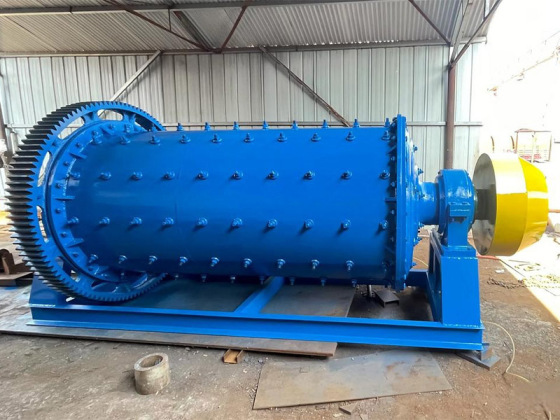
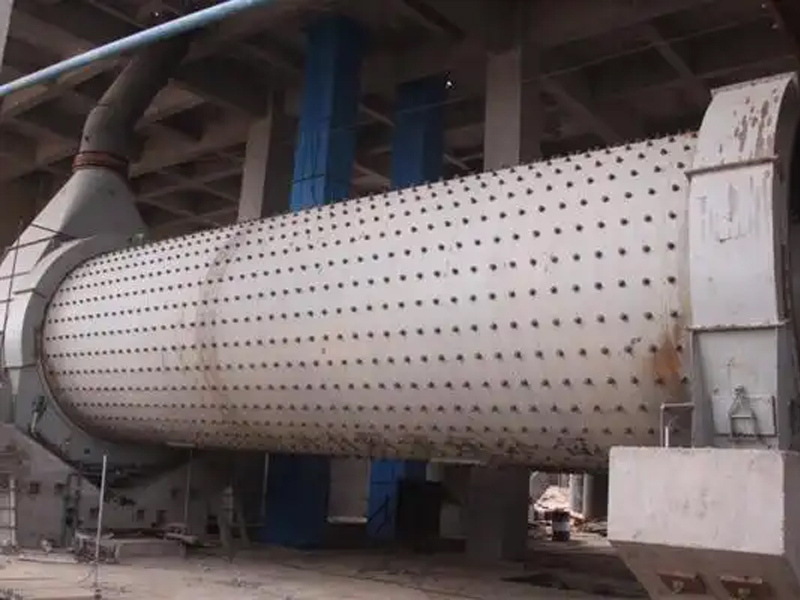
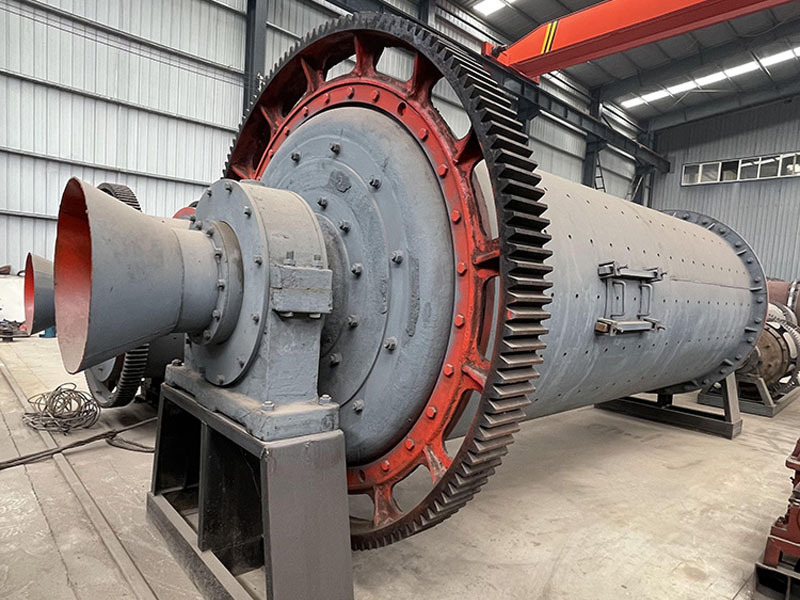
Ordinary Cement Ball Mill:
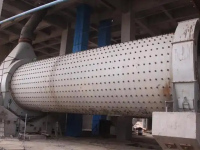
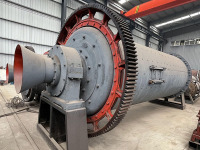
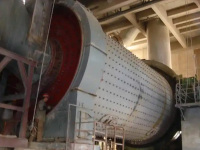
The ordinary cement ball mill is primarily used in closed-circuit grinding systems. It is characterized by high grinding efficiency, large mill output, and high power consumption, with performance being particularly outstanding when grinding slag cement. Typically, mill output can be increased by 15–20%, power consumption can be reduced by around 10%, and the temperature of the finished product can be lowered by 20–40°C. Additionally, adjusting the fineness of the product is easier.
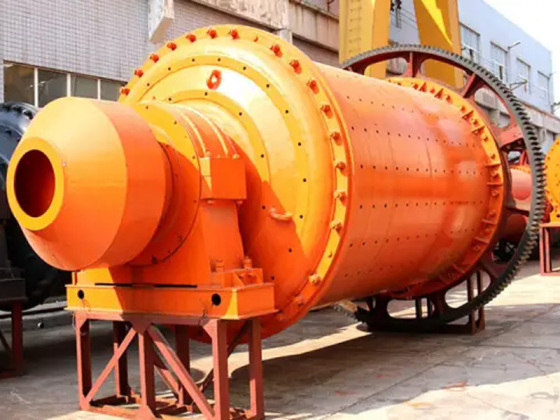
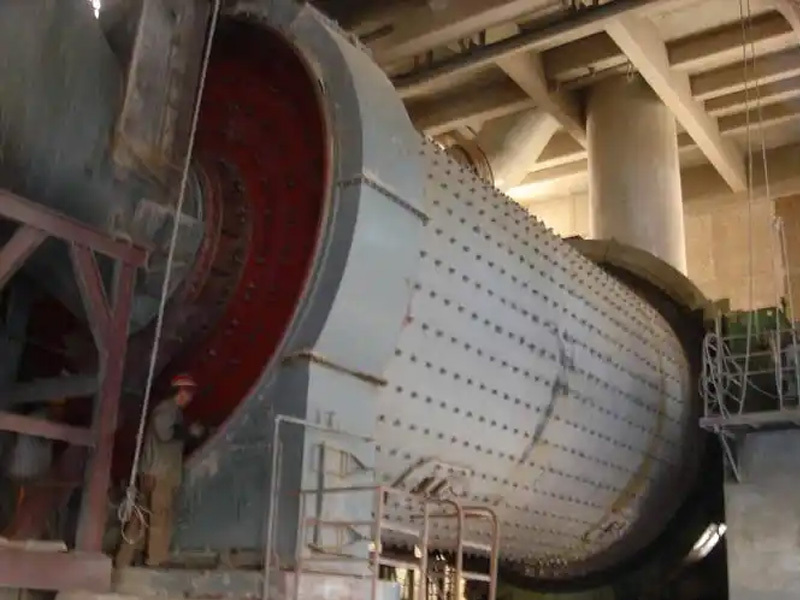
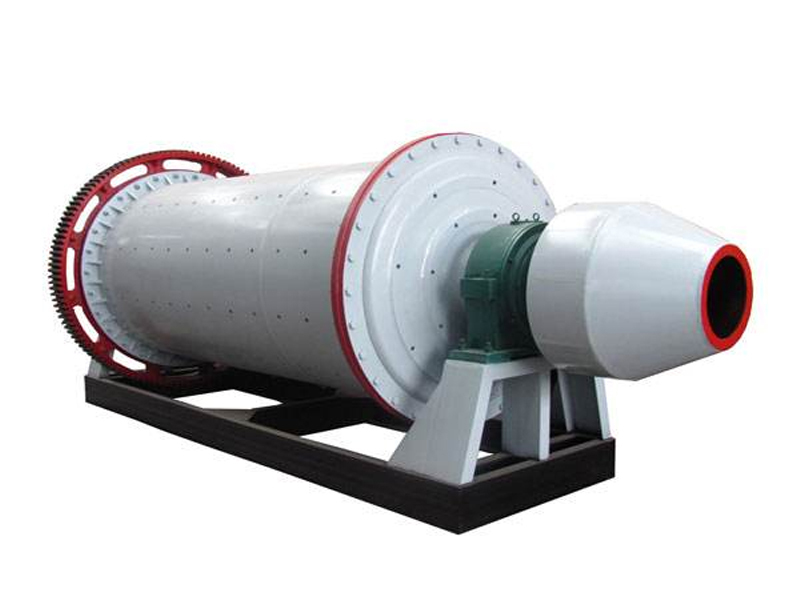
High-Fineness & High-Output Cement Ball Mill:
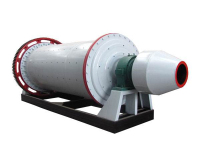
The high-fineness & high-output cement ball mill is mainly used in open-circuit grinding systems. Its features include simple system equipment and process flow, low investment, and small plant footprint. Structurally, the mill incorporates an advanced internal powder separation device, activation mechanisms added in the fine-grinding chamber, and a special discharge grate at the grinding end. This design minimizes the size of grinding media in the mill chamber, significantly improves grinding efficiency, and achieves high output with low energy consumption.
- Luoyang Hanfei Power Technology Co., Ltd
- Henan, China
- Possesses complete, stable, and efficient supply capabilities for Mill and their components.
- Information
Cement Mill
The cement mill is a core piece of equipment for ultrafine grinding of materials after crushing. It is widely used across various industries including cement, silicate products, new building materials, refractories, fertilizers, ferrous and non-ferrous mineral processing, as well as glass and ceramics. Capable of performing either dry or wet grinding operations on materials such as ores according to production needs, it serves as key equipment for the deep processing of materials in the construction materials and chemical engineering sectors.
Within the cement production process, the cement mill operates in the finished product preparation stage following the clinkering process. It bears the critical task of grinding raw materials like cement clinker, gypsum, and admixtures to the specified fineness. Its grinding power consumption accounts for 35% to 40% of the total production cost. The grinding quality directly determines the qualified rate of the finished cement product. Furthermore, by controlling the particle size distribution of the material, it influences core properties of cement such as setting time and strength development, making it a pivotal stage for controlling the quality of the final cement product.
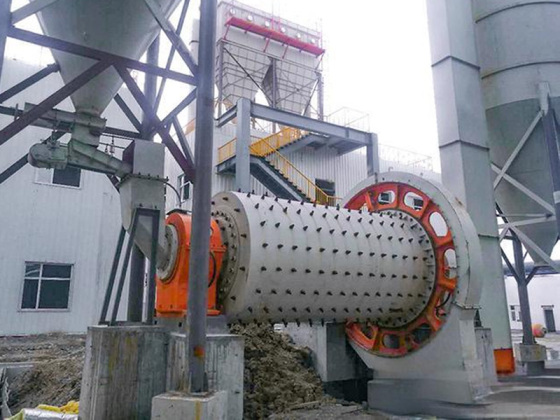
In terms of structure and working principle, mainstream cement mills are primarily divided into two categories: ball mills and vertical roller mills. Modern cement production often employs combined grinding systems utilizing both vertical roller mills and ball mills. The horizontally-arranged cylindrical ball mill typically features peripheral gear drive and is composed of components such as the cylinder shell, liners, and diaphragm plates, mostly designed as two-compartment grate-discharge mills. Material enters the first compartment through the feeding device, where it undergoes coarse grinding from the impact and grinding action of the steel balls inside the rotating shell. It then passes through the diaphragm plate into the second compartment for further fine grinding before being discharged via the discharge grate.
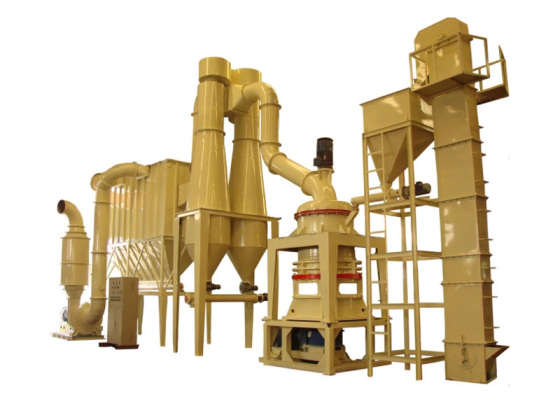
In contrast, the vertical roller mill receives material at the center of the grinding table. Under centrifugal force, the material moves towards the edge and is crushed by the grinding rollers. The crushed material is then carried upward by a hot air stream, with coarse particles falling back for regrinding and fine powder exiting with the airflow for collection. The product fineness can be precisely controlled by adjusting the angle of guide vanes and the speed of the separator.
Cement mills offer several significant advantages. They exhibit strong adaptability to various materials, enable continuous, large-scale production, and possess a high size reduction ratio. They allow flexible adjustment of product fineness, support both dry and wet processes, and can simultaneously perform grinding and drying operations. Furthermore, modern cement mills equipped with intelligent optimization control systems have seen substantial improvements in energy efficiency and environmental performance.
Regarding operation and economy, vertical mill systems utilize DCS integrated control, allowing flexible adjustment of parameters like grinding pressure and separator speed. This enables quick switching between different cement types without requiring mill washing. The equipment features a high degree of automation, requiring only a small number of central control operators and patrol personnel for daily operation, significantly reducing labor costs. Additionally, combined grinding systems involve reasonable investment costs and have a small footprint, with a construction period of only 6 to 7 months. During operation, metal wear is exceptionally low, at merely 6 g/t, and the replacement cycles for wear parts like liners and diaphragm plates are long. Annual electricity cost savings can amount to several hundred thousand yuan, offering both economic benefits and maintenance convenience.
Equipment installation and maintenance must follow standardized procedures. During installation, the equipment must be anchored to a level concrete foundation, ensuring the main body is vertically and horizontally level. Upon completion, bolt tightness should be checked, and appropriate power cables and control switches must be configured. Trial operation under no-load conditions must be conducted successfully before commissioning. Daily maintenance should be managed by dedicated personnel, focusing on lubricating key components such as rotary bearings and roller bearings. Regular inspections of the tightness of riding rings and the wear condition of vulnerable parts are essential. Should issues like abnormal bearing oil temperature or impact noise during gear operation arise, immediate shutdown and troubleshooting are required to ensure stable equipment operation.