

Calcium Aluminate Powder Rotary Kiln
Calcium Aluminate Powder Rotary Kiln
The calcium aluminate powder rotary kiln is a key piece of equipment used for the high-temperature calcination of calcium aluminate powder. It employs a rotary kiln sintering process, with limestone and bauxite as the primary raw materials. Under high temperatures, these materials are calcined to form a sintered substance predominantly composed of calcium aluminates.
The production process of the calcium aluminate powder rotary kiln mainly involves raw material crushing, ingredient mixing, rotary kiln calcination, material cooling, and finished product grinding. This process offers the advantages of cost-effective investment and an easily controllable production flow. Compared to the fusion method, it consumes less energy, making it suitable for small to medium-scale production. The equipment operates stably and can be widely adapted to fuels such as coke oven gas, achieving both energy-saving and environmental benefits.
- Luoyang Hanfei Power Technology Co., Ltd
- Henan, China
- Possesses complete, stable, and efficient supply capabilities for Rotary Kiln and their components.
- Information
Calcium Aluminate Powder Rotary Kiln
The calcium aluminate powder rotary kiln is a key piece of equipment used for the high-temperature calcination of calcium aluminate powder. It employs a rotary kiln sintering process, with limestone and bauxite as the primary raw materials. Under high temperatures, these materials are calcined to form a sintered substance predominantly composed of calcium aluminates.
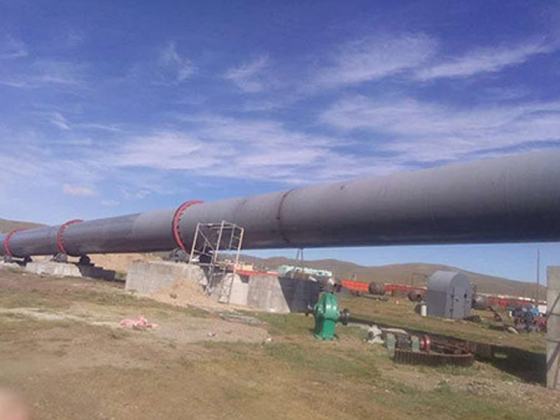
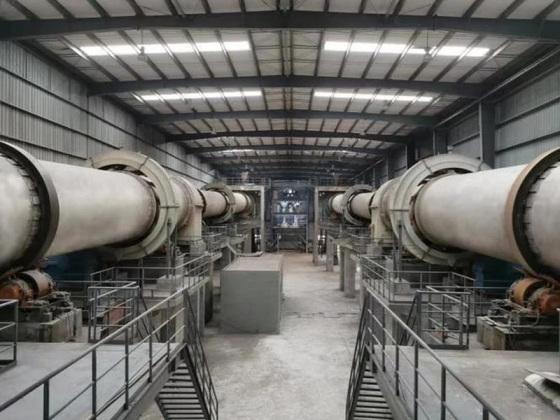
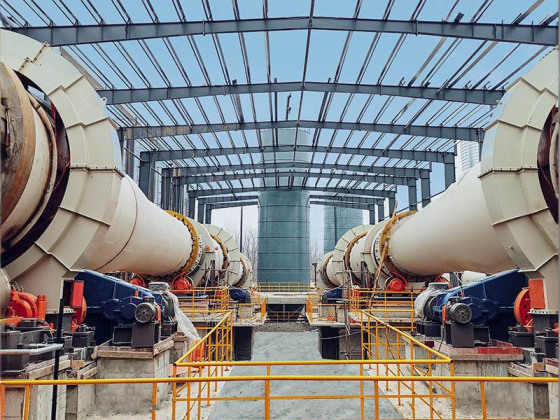
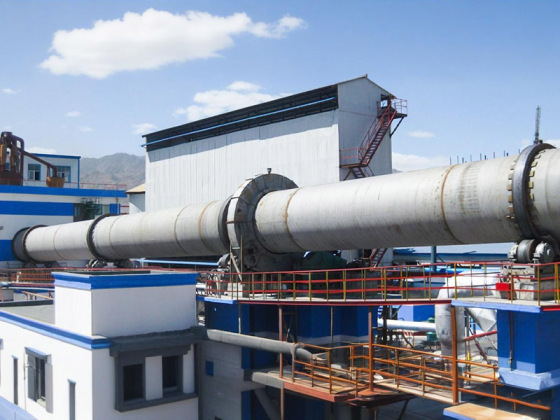
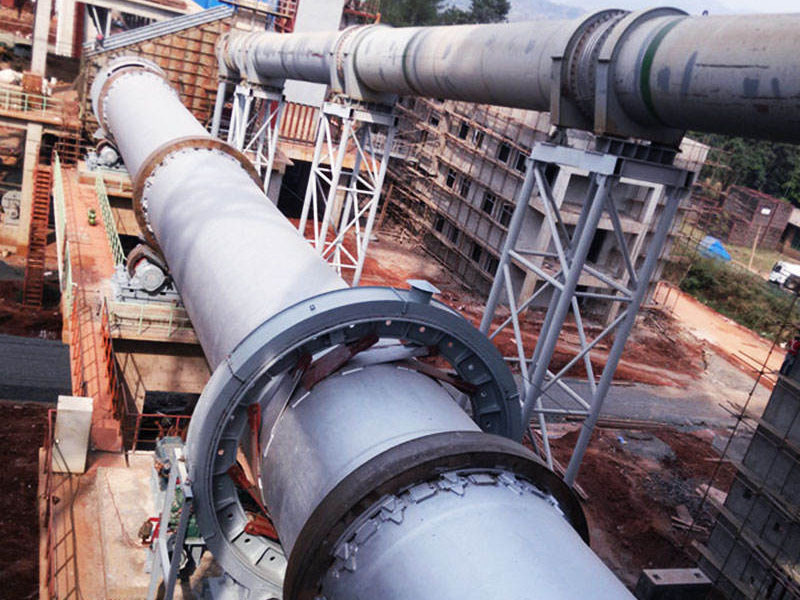
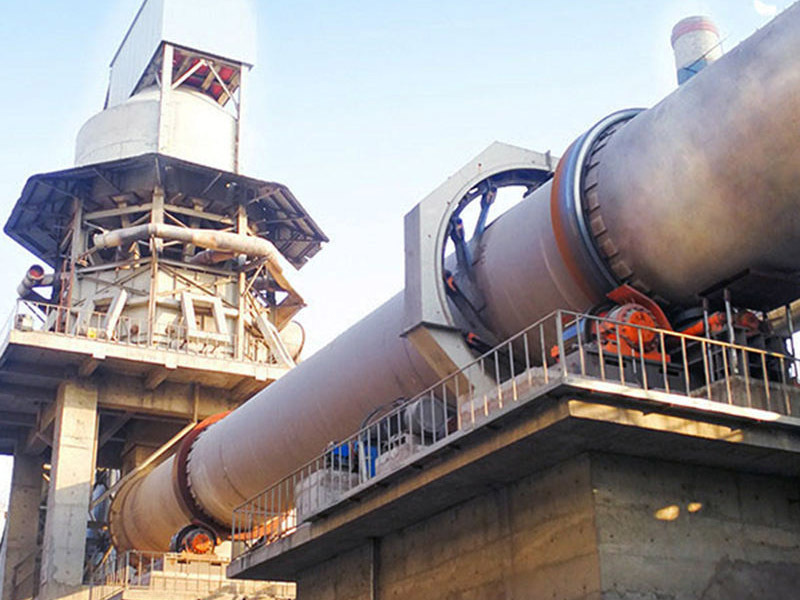
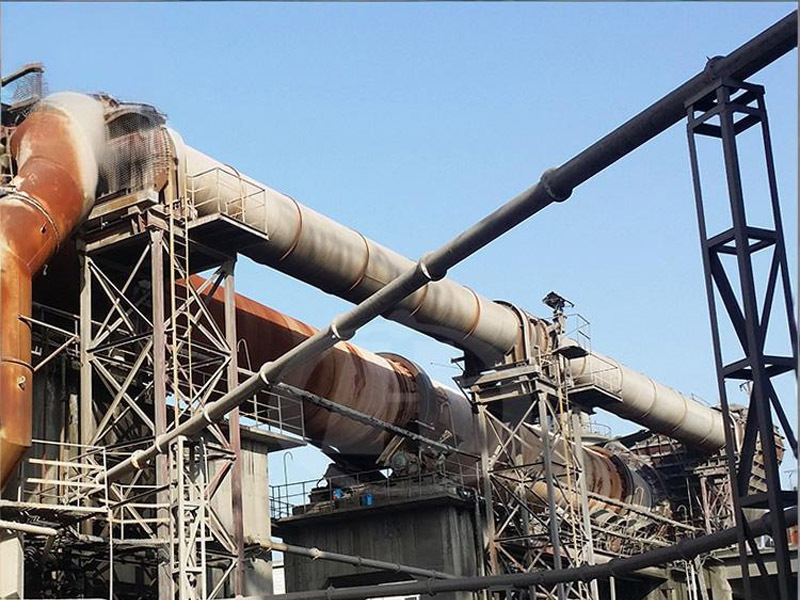
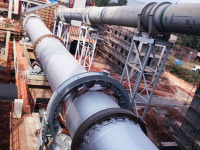
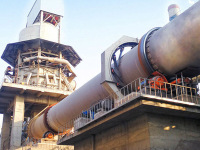
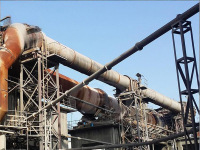
Robust and Rational Structural Design: The kiln cylinder is constructed from rolled steel plates and lined internally with refractory materials to protect the structure and reduce heat dissipation. The cylinder is supported at a certain inclination by riding rings and supporting roller devices, and it rotates slowly via a large girth gear and pinion drive system. This allows the material to move axially inside the kiln while tumbling thoroughly. Internally, heat exchange chains and other devices are typically installed to enhance heat transfer efficiency. The kiln head and tail are equipped with feeding devices, burners, and cooling systems, forming a complete process flow channel.
Structure and Working Principle: The calcium aluminate powder rotary kiln consists of core components including the cylinder, supporting devices, drive system, movable kiln head, kiln tail sealing device, and combustion device. Its overall structure is simple and operationally reliable. Raw materials are crushed, finely ground, and pelletized before being fed into the kiln from the tail end. The inclined kiln body rotates slowly, moving the material toward the head end. During this movement, the material comes into counter-current contact with high-temperature gas flow, gradually heating to 1300–1350°C. Solid-liquid phase reactions occur, forming calcium aluminate. The calcined material is then cooled and finely ground to become the final product.
Process Flow and Characteristics: The process flow of the calcium aluminate rotary kiln involves mixing aluminum hydroxide and calcium carbonate in a specific proportion to form a mixture, which is then sintered at high temperatures. Specifically, the required weights of aluminum hydroxide and calcium carbonate are first mixed in a defined ratio. The mixed powder is then dried and subjected to calcination. During calcination, the material is preheated at a relatively lower temperature, and the temperature is gradually increased until the required heat treatment temperature is reached. This temperature is maintained for a period to allow the mixture to fully react and form calcium aluminate powder. Throughout the process, appropriate amounts of fluxing agents are added to improve sintering effectiveness and lower the required heat treatment temperature. This process offers the advantages of cost-effective investment and easy control of production, with lower energy consumption compared to the fusion method, making it suitable for small to medium-scale production. The equipment operates stably and can be widely adapted to fuels such as coke oven gas, achieving energy-saving and environmental benefits.