


Ball Mill
Ball Mill
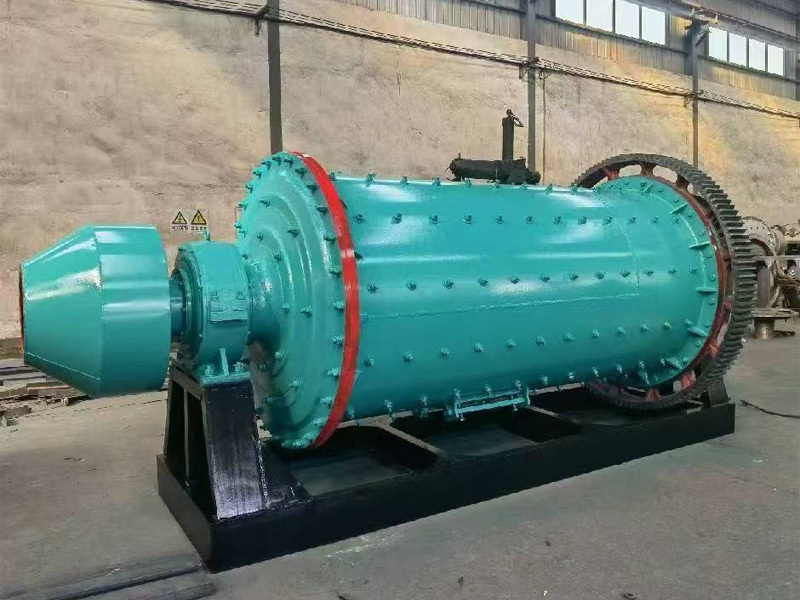
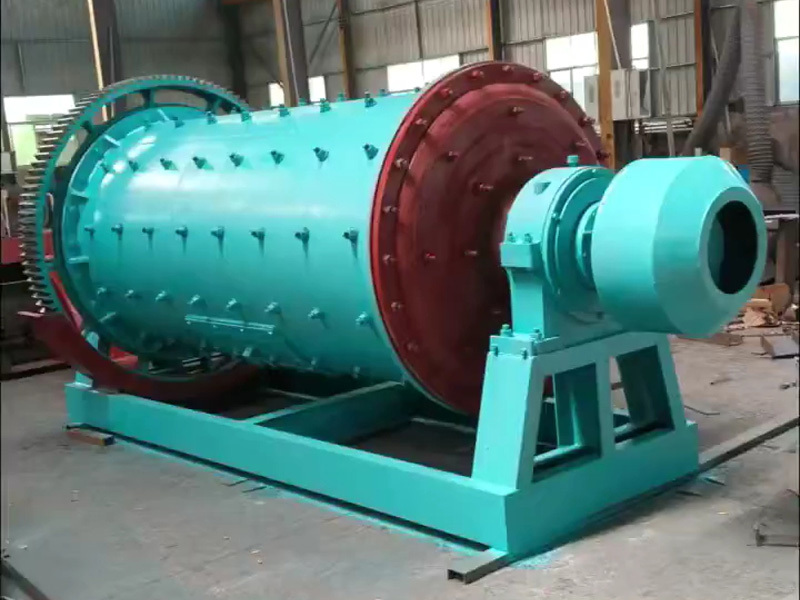
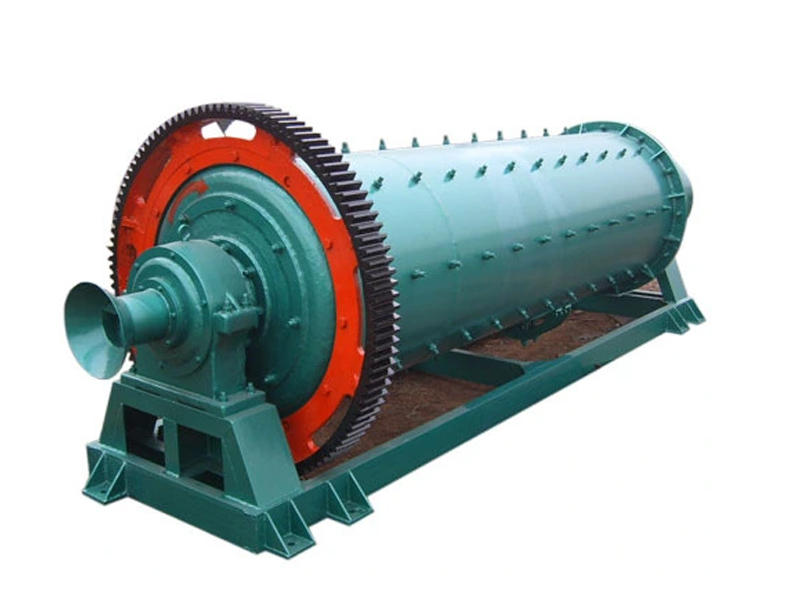
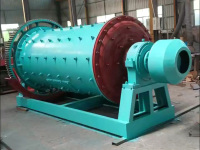
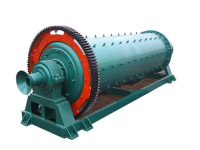
The ball mill is a key piece of equipment for further grinding materials after they have been crushed. It is one of the widely used high-fineness grinding machines in industrial production, with many types available, such as the tube ball mill, rod ball mill, cement ball mill, ultra-fine laminated mill, hand ball mill, horizontal ball mill, ball mill bearing bush, energy-saving ball mill, overflow ball mill, ceramic ball mill, and grate ball mill.
Ball mills are suitable for grinding various ores and other materials, and are extensively utilized in industries such as mineral processing, building materials, and chemical engineering. They can operate in two grinding modes: dry and wet. Based on the discharge method, they are categorized into two types: grate type and overflow type. According to the cylinder shape, ball mills can be classified into four types: short cylinder ball mill, long cylinder ball mill, tube mill, and conical mill.
- Luoyang Hanfei Power Technology Co., Ltd
- Henan, China
- Possesses complete, stable, and efficient supply capabilities for Mill and their components.
- Information
Ball Mill
The ball mill is a key piece of equipment for fine grinding after the crushing process. Its core feature is the loading of a certain quantity of steel balls (or steel segments) as grinding media inside a horizontal cylinder. The rotation of the cylinder drives the grinding media into motion, utilizing impact and grinding actions to refine materials. As one of the widely used high-fineness grinding machines in industrial production, this equipment is extensively employed in industries such as cement, silicate products, new building materials, refractories, and fertilizers. It is also suitable for ferrous and non-ferrous mineral processing, as well as glass and ceramic production. Capable of performing dry or wet grinding operations on various ores and grindable materials, it serves as core equipment for deep material processing in the fields of building materials, chemical engineering, and mineral processing.
Ball mills come in a wide variety of types and can be classified along different dimensions. Based on grinding methods, they are divided into dry and wet types to accommodate materials with different moisture requirements. According to discharge methods, they can be categorized into grate type and overflow type, meeting varying requirements for discharge efficiency and particle size control. By cylinder shape, they are further classified into four types: short cylinder ball mill, long cylinder ball mill, tube mill, and conical mill. Specific subcategories include tube ball mills, rod ball mills, cement ball mills, ultra-fine laminated mills, energy-saving ball mills, ceramic ball mills, etc. Among these, the energy-saving ball mill has become one of the mainstream choices due to its excellent energy consumption performance.
In terms of working principle, the ball mill primarily relies on mechanical force to achieve material pulverization. The main body of the equipment consists of a horizontal cylinder, hollow shafts for feeding and discharging, mill heads, and other components. The cylinder is a long cylindrical shell made of steel plates, with steel liners fixed to its inner wall. Inside, steel balls or segments of different diameters and proportions are loaded as grinding media. After material enters the cylinder through the hollow shaft at the feed end, the cylinder rotates driven by the transmission device. Under the effects of inertia, centrifugal force, and friction, the grinding media adhere closely to the cylinder liners and rise synchronously with the cylinder. When lifted to a certain height, they fall freely under their own gravity. The falling grinding media act like projectiles, delivering strong impacts to the material inside the cylinder. Meanwhile, the rolling friction among the grinding media and between the media and the material during cylinder rotation further refines the material through grinding, ultimately completing the pulverization process.
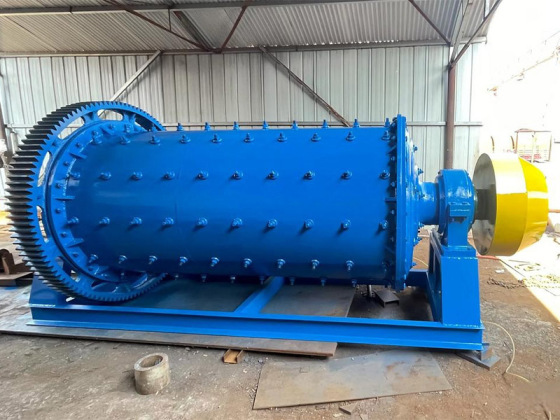
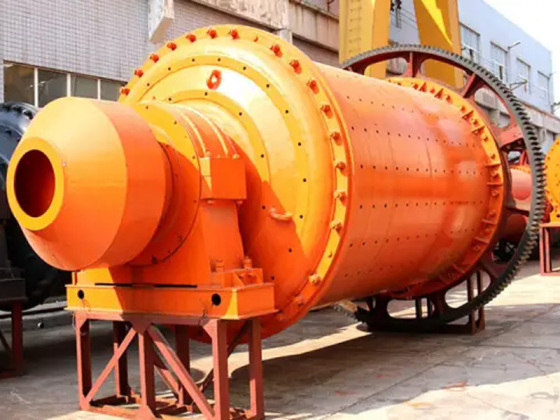
In mechanical structure, the ball mill mainly comprises core components such as the feeding section, discharge section, rotary section, and transmission section (including reducer, small drive gear, motor, and electrical control system). The hollow shafts are made of steel castings with replaceable inner liners for easy maintenance. The large rotary gear is manufactured through casting and gear hobbing, offering high transmission precision. Wear-resistant liners are installed inside the cylinder, effectively extending the equipment's service life. The feeders are divided into two types: combined feeders and drum feeders, featuring simple structures and supporting split installation to accommodate different feeding requirements. It is worth noting that "blades" are not core components of the ball mill. Only the internal spiral structures at the feed and discharge ports can be referred to as internal spiral blades. If a spiral conveyor is attached to the discharge end, its internal spiral blades strictly do not belong to the ball mill itself.
Ball mills possess significant structural advantages:
1.The main bearings use large-diameter double-row self-aligning roller bearings instead of traditional sliding bearings, greatly reducing frictional resistance, lowering energy consumption, and making the equipment easier to start.
2.Retaining the end cover structure of conventional mills and adopting large-diameter feed and discharge ports enhances material handling capacity.
3.The equipment operates without inertial impact, ensuring smooth and stable operation, which reduces downtime for maintenance and improves production efficiency.
4.Energy-saving ball mills additionally employ self-aligning double-row spherical roller bearings and add a conical section to the discharge end of the original cylinder. This not only expands the effective volume but also optimizes media distribution, resulting in significant energy-saving effects.
It is particularly noteworthy that the overall design of ball mills balances reliability with maintenance convenience. Key components such as the large rotary gear and wear-resistant liners are made from high-quality materials, ensuring stable and reliable operation. Many core components adopt split installation designs, facilitating subsequent inspection and replacement. Among these, energy-saving ball mills are more widely used in non-ferrous metal, ferrous metal, and non-metallic mineral processing plants, as well as in the chemical and building materials industries. With advantages such as low resistance, low energy consumption, and large capacity, they effectively reduce production costs, enhance processing efficiency, and have become vital equipment supporting industry upgrades.