

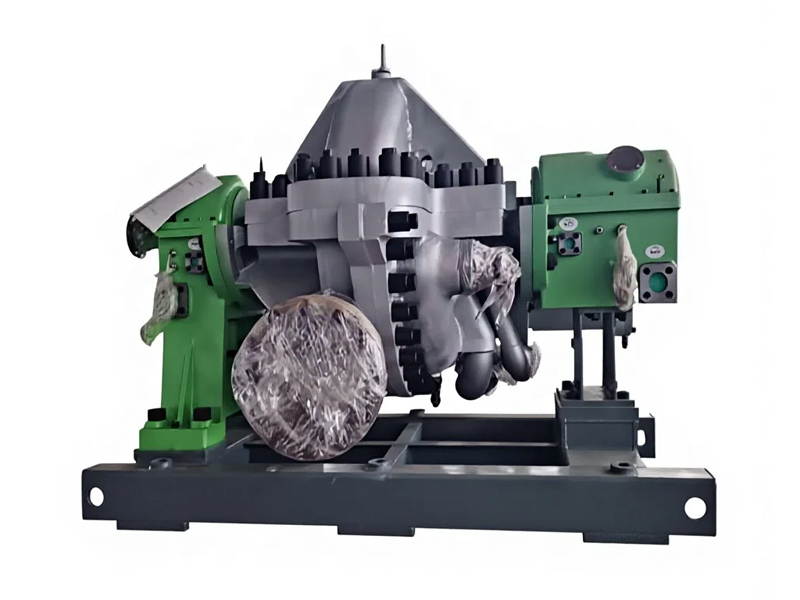
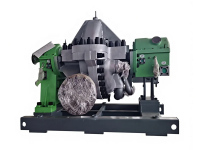
Back Pressure Turbine
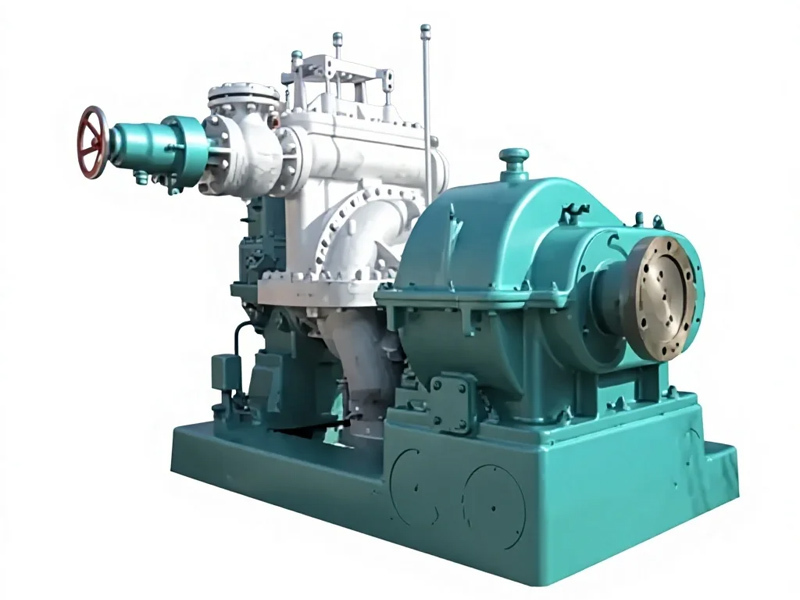
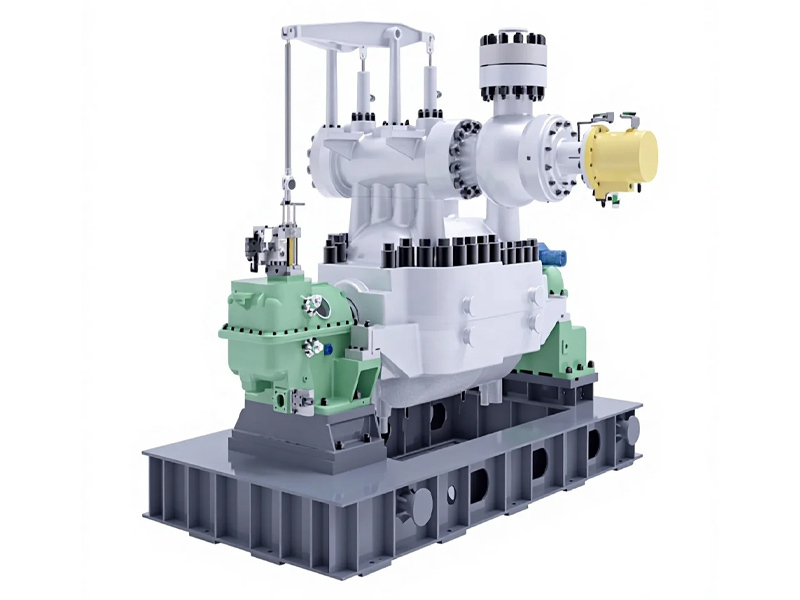
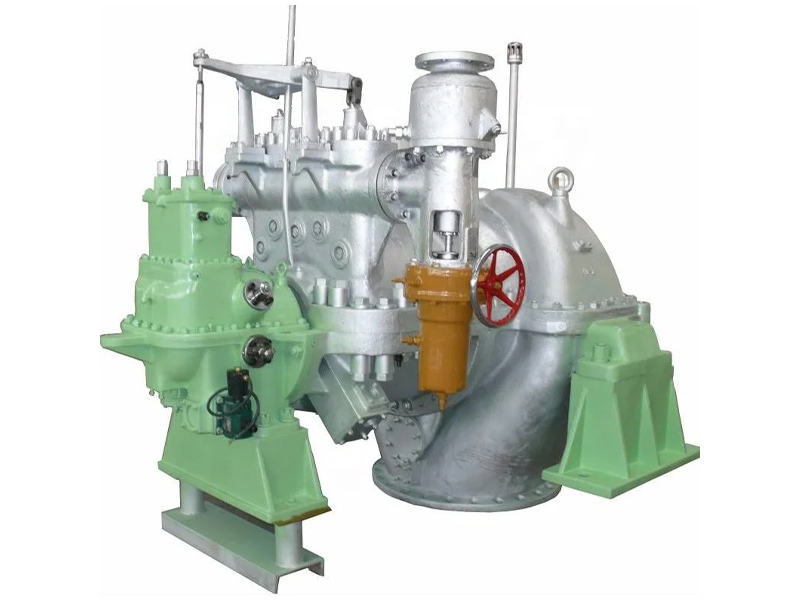
A back-pressure steam turbine is a type of turbine where the exhaust steam pressure is higher than atmospheric pressure. Its working principle involves using high-temperature, high-pressure steam to drive the turbine rotor, thereby generating mechanical energy output. Unlike condensing steam turbines, the exhaust steam from a back-pressure turbine is not directly sent to a condenser but is instead conveyed to other equipment or industrial processes for further utilization. This design makes back-pressure steam turbines highly efficient in energy utilization, particularly in applications like cogeneration.
The main characteristics of back-pressure steam turbines include higher exhaust pressure and the ability to use the exhaust steam for heating or other industrial purposes. Since the exhaust steam is not condensed, heat loss is reduced, resulting in higher overall thermal efficiency. Additionally, back-pressure turbines have a relatively simple structure and lower maintenance costs. However, their operational flexibility is limited, as the exhaust pressure must align with the requirements of downstream steam-consuming equipment; otherwise, system stability may be affected.
- Luoyang Hanfei Power Technology Co., Ltd
- Henan, China
- Possesses complete, stable, and efficient supply capabilities for steam turbines and their components.
- Information
- Download
A steam turbine with exhaust pressure greater than atmospheric pressure is called a back-pressure steam turbine. The exhaust steam can be used for heating or supplied to existing medium- and low-pressure steam turbines to replace the medium- and low-pressure boilers in older power plants. When a back-pressure steam turbine is used to supply steam to existing medium- and low-pressure turbines as a replacement for the medium- and low-pressure boilers in an older power plant, it is also referred to as a topping turbine. This approach not only increases the power generation capacity of the original plant but also enhances its thermal efficiency. The design exhaust pressure of a back-pressure steam turbine used for heating varies depending on the specific heating requirements. For topping turbines, the back pressure is often greater than 5 MPa, determined by the steam parameters of the existing generating units. After being utilized in the heating system, the exhaust steam condenses into water, which is then pumped back to the boiler as feedwater. Typically, not all condensed water from the heating system can be recovered, necessitating supplemental feedwater.
A back-pressure steam turbine is a type of turbine where the exhaust steam pressure is higher than atmospheric pressure. Its working principle involves using high-temperature, high-pressure steam to drive the turbine rotor, thereby generating mechanical energy output. Unlike condensing steam turbines, the exhaust steam from a back-pressure turbine is not directly sent to a condenser but is instead conveyed to other equipment or industrial processes for further utilization. This design makes back-pressure steam turbines highly efficient in energy utilization, particularly in applications like cogeneration.
In terms of operational characteristics, the power generation of a back-pressure steam turbine is determined by the heat load. Its electrical output varies with changes in heat load, meaning it cannot independently meet flexible demands for both heat and power. Therefore, it is suitable for scenarios with relatively stable heat loads. When heat load fluctuations are significant, it typically needs to operate in parallel with condensing steam turbines, with the condensing units handling variations in electrical load.
The main features of a back-pressure steam turbine include higher exhaust pressure, and the exhaust steam can be used for heating or other industrial purposes. Its exhaust pressure is relatively high (usually above atmospheric pressure). After expanding and performing work between stages, the steam is discharged at a higher pressure. The heat contained in the exhaust steam is fully utilized by the thermal users, thereby eliminating the cold source loss associated with condensing steam turbines and resulting in higher thermal efficiency. Structurally, its high-pressure section is similar to that of a condensing steam turbine, often employing nozzle governing for steam distribution and typically using a single-row impulse stage as the governing stage.
Since the exhaust steam is not condensed, heat loss is reduced, leading to higher overall thermal efficiency. Additionally, back-pressure turbines have a relatively simple structure and lower maintenance costs. However, their operational flexibility is limited, as the exhaust pressure must align with the requirements of downstream steam-consuming equipment; otherwise, system stability may be affected.
In terms of application and economic efficiency, back-pressure steam turbines are commonly used in scenarios requiring simultaneous supply of electricity and heat. They are widely employed in cogeneration and industrial waste heat recovery, effectively reducing coal consumption for power generation and conserving energy. However, their ability to adapt to load changes is relatively poor. Efficiency may decline under low heat load conditions, and the exhaust parameters must match user requirements. The selection of initial parameters (such as pressure and temperature) requires comprehensive consideration of economic and safety factors.