


- Home
- >
- Products
- >
- Shaft Machining
- >
Shaft Machining
Shaft Machining
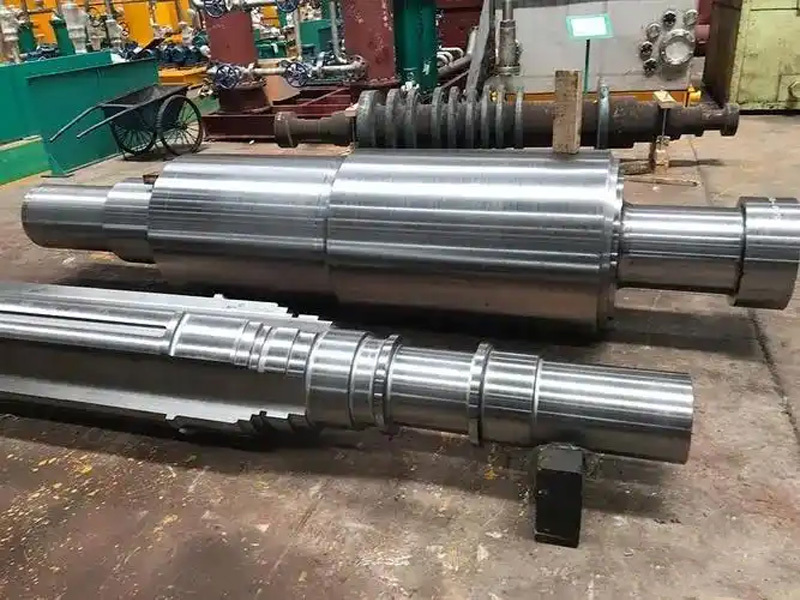
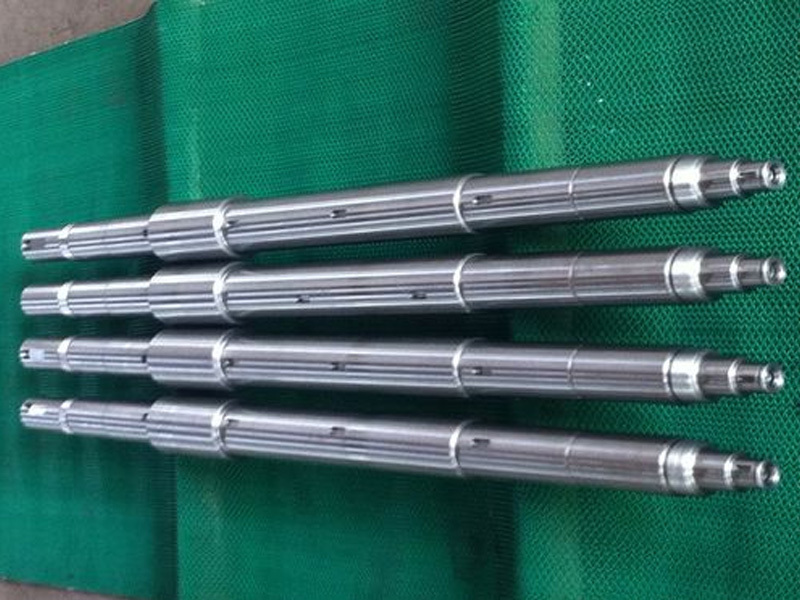
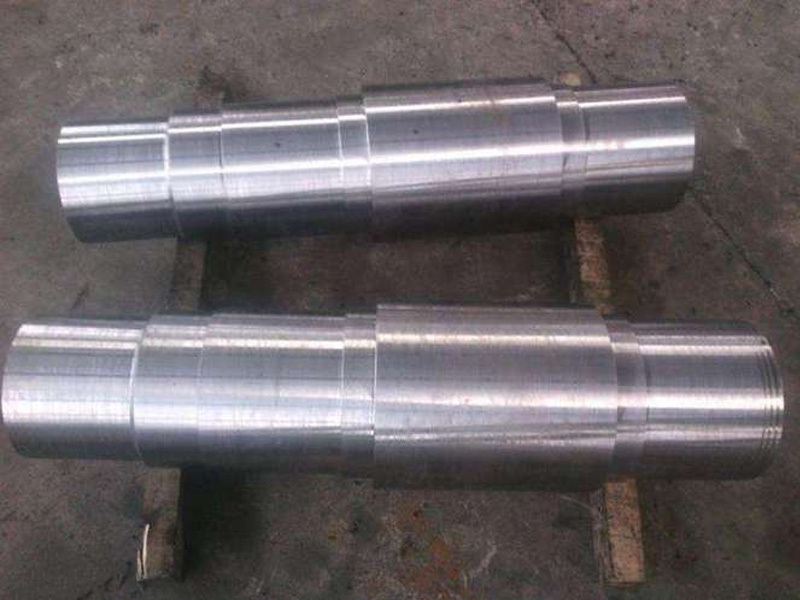
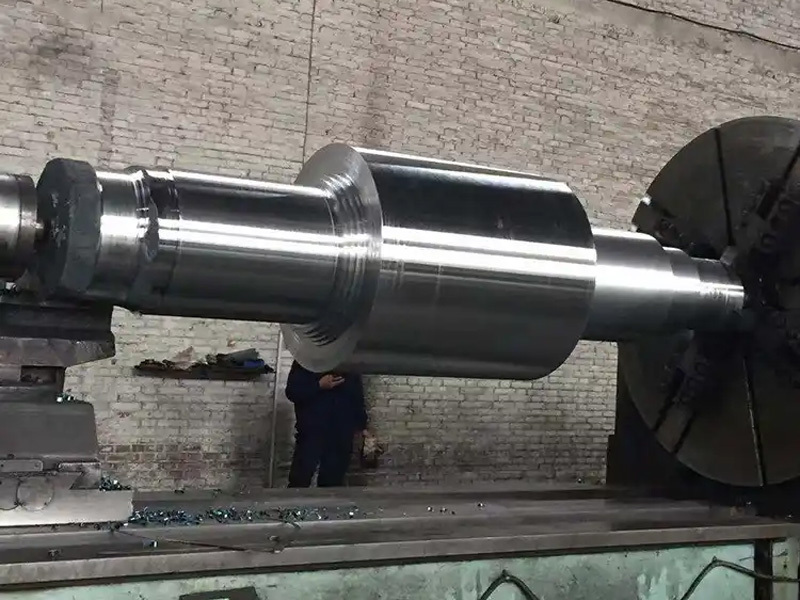
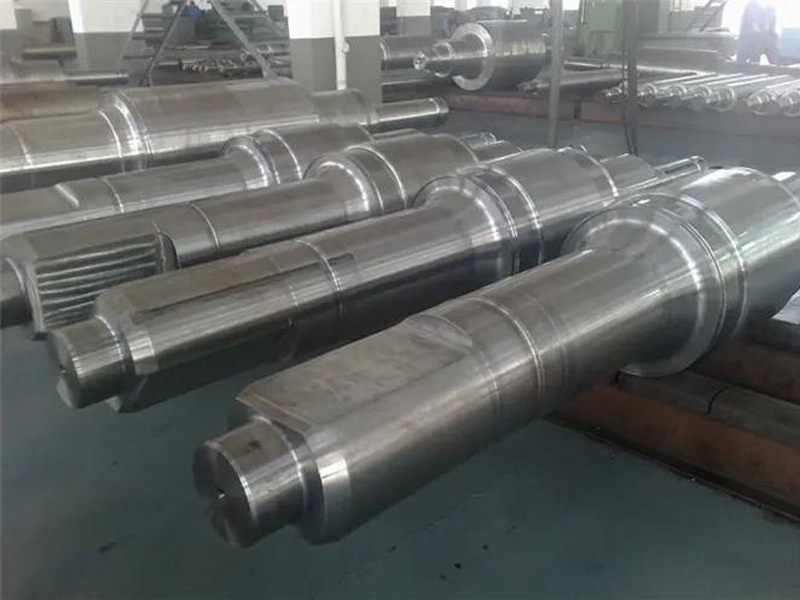
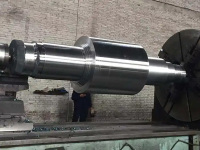
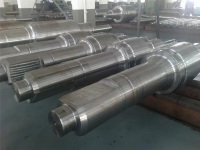
Shaft machining is a core process in the manufacturing of mechanical drive shaft components. It refers to the process of transforming metal blanks into cylindrical or stepped rotary parts through methods such as cutting and grinding, primarily used for transmitting torque or supporting rotating components.
The machining follows the core sequence of "rough machining - finish machining - heat treatment - inspection." Processes like turning and grinding strictly control precision, while combined with heat treatments such as quenching and tempering or carburizing, along with surface anti-corrosion treatments, to enhance overall performance. The entire process relies on CNC equipment and precision measuring tools to accurately manage dimensional and geometric tolerances, reduce human error, and ensure the shaft's core functions of transmitting power and bearing loads, providing critical support for the stable operation of the complete machine.
- Luoyang Hanfei Power Technology Co., Ltd
- Henan, China
- Possesses complete, stable, and efficient supply capabilities for Cutting Of Metal Products
- Information
Shaft Machining
As core components of mechanical transmission systems, shaft products undertake the critical responsibilities of transmitting power, positioning workpieces, and bearing loads. Their machining quality directly determines the operational accuracy, stability, and service life of the entire machine. Shaft machining is a precision manufacturing process encompassing multiple materials, specifications, and techniques. It can produce various types of shafts, including stepped shafts, plain shafts, hollow shafts, splined shafts, and eccentric shafts, catering to diverse fields such as automotive, machine tools, wind power, construction machinery, and aerospace. From miniature motor shafts to heavy-duty equipment spindle shafts, standardized and customized machining is required to meet specific operational demands.
The core prerequisite for shaft machining is material selection and blank preparation, as different operating conditions impose significantly different material requirements. Commonly used materials include 45# carbon steel, 40Cr alloy steel, stainless steel, titanium alloy, and aluminum alloy. Among these, 45# carbon steel is suitable for shafts under normal loads, and its toughness and strength can be enhanced through quenching and tempering. 40Cr alloy steel is adapted for heavy-duty and wear-resistant applications, widely used in automotive transmission shafts and machine tool spindles. Stainless steel shafts focus on corrosion resistance needs, commonly used in chemical and food machinery. Special materials like titanium alloy and high-temperature alloys are suited for high-end fields such as aerospace. Blanks are typically prepared through forging, casting, or profile cutting. Forged blanks can strengthen the metal grain structure, improving the shaft's impact resistance, making them suitable for heavy-duty shafts. Cast blanks are more suitable for shafts with complex structures and offer lower cost.
The shaft machining process follows a standardized sequence of "rough machining - semi-finishing - finishing - heat treatment - surface treatment - inspection," with each step precisely coordinated to ensure accuracy. The rough machining stage primarily focuses on removing blank allowance and initial shaping, commonly using turning and milling processes. Basic shaft profiles are quickly formed using conventional lathes or CNC lathes, leaving a reasonable machining allowance. Semi-finishing focuses on improving accuracy, performing fine turning and milling on key parts such as shaft shoulders, outer diameters, and keyways, controlling dimensional tolerances within ±0.05mm. Finishing is the core stage, employing grinding, honing, and other processes. For high-precision shafts (e.g., precision machine tool spindles), external cylindrical grinding and internal cylindrical grinding are used to control dimensional accuracy within ±0.001mm, while ensuring geometric tolerances like coaxiality and roundness meet standards.
Heat treatment and surface treatment are critical auxiliary processes for enhancing shaft performance, requiring targeted selection based on material and operating conditions. Heat treatment includes quenching and tempering, hardening, tempering, carburizing, nitriding, etc. Quenching and tempering can provide a good balance of strength and toughness. Hardening followed by tempering can enhance surface hardness, suitable for wear-resistant shafts. Carburizing and nitriding processes can increase surface hardness and wear resistance while maintaining core toughness, making them suitable for heavy-duty and high-speed transmission scenarios. Surface treatments include zinc plating, chrome plating, blackening, phosphating, etc. Zinc and chrome plating are used for anti-corrosion and rust prevention. Blackening improves surface wear resistance and aesthetics, meeting usage needs in different environments.
Precision inspection and quality control run throughout the entire shaft machining process and are core to ensuring product qualification. Real-time measurements are taken during machining using calipers, micrometers, dial indicators, etc. For high-precision shafts, precision equipment like coordinate measuring machines (CMM), roundness testers, and surface roughness testers are used to comprehensively inspect dimensional accuracy, geometric tolerances, surface roughness, and other indicators. Furthermore, leveraging the automated control capabilities of CNC machining equipment (CNC lathes, CNC grinders) reduces manual intervention and machining errors, enabling consistent mass production of shafts. Additionally, for customized shaft products, the process plan and machining parameters need to be optimized based on the customer's specific operational requirements to ensure the shaft is suitable for the actual assembly and operational needs.
As the machinery manufacturing industry advances towards high precision and intelligence, shaft machining technology is also continuously upgrading. The adoption of technologies like CNC machining, 5-axis machining, and digital inspection has significantly improved the efficiency and accuracy of shaft machining. The application of new processes such as 3D-printed blanks and laser heat treatment is expanding the material options and performance boundaries of shaft machining. In the future, shaft machining will place greater emphasis on green manufacturing, efficiency, and customization. Through process optimization and technological innovation, it will provide higher quality and better-suited core transmission components for various industries.