

- Home
- >
- Products
- >
- Alumina Rotary Kiln
- >
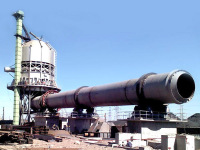
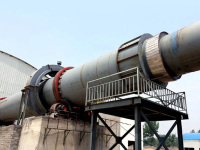
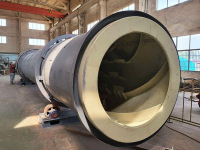
Alumina Rotary Kiln
Alumina Rotary Kiln
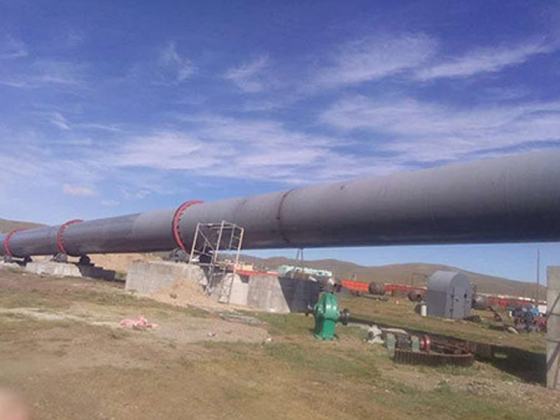
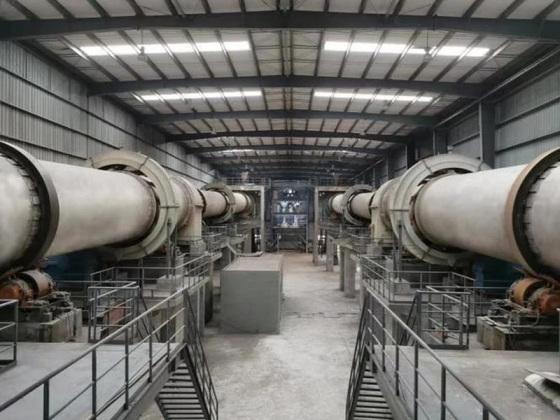
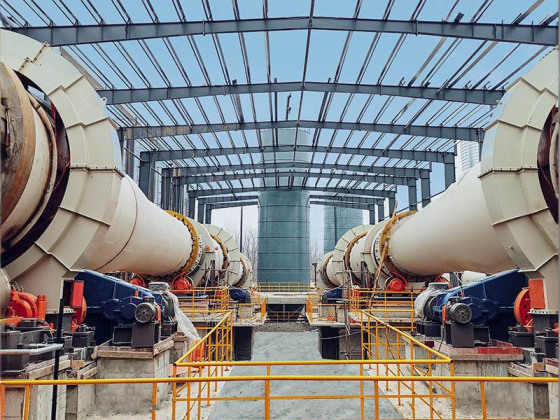
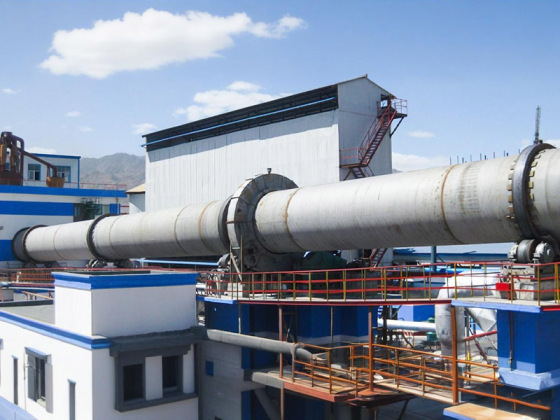
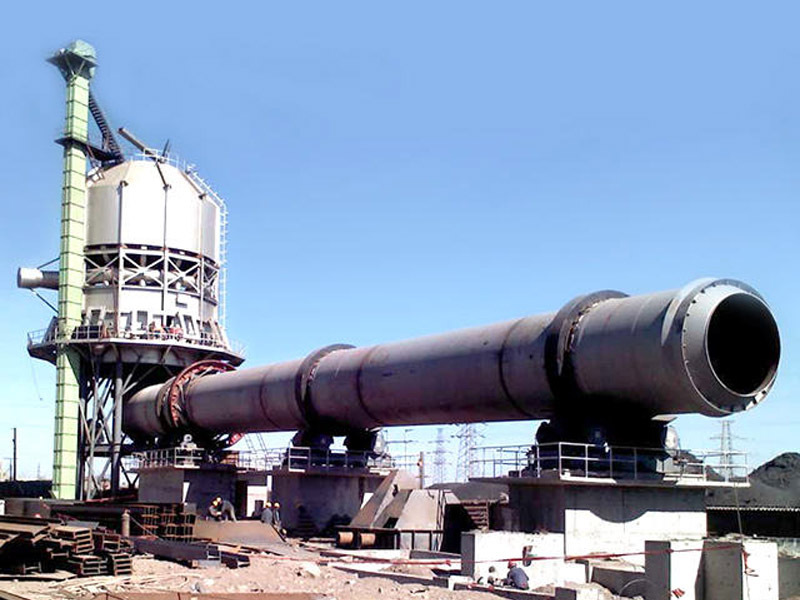
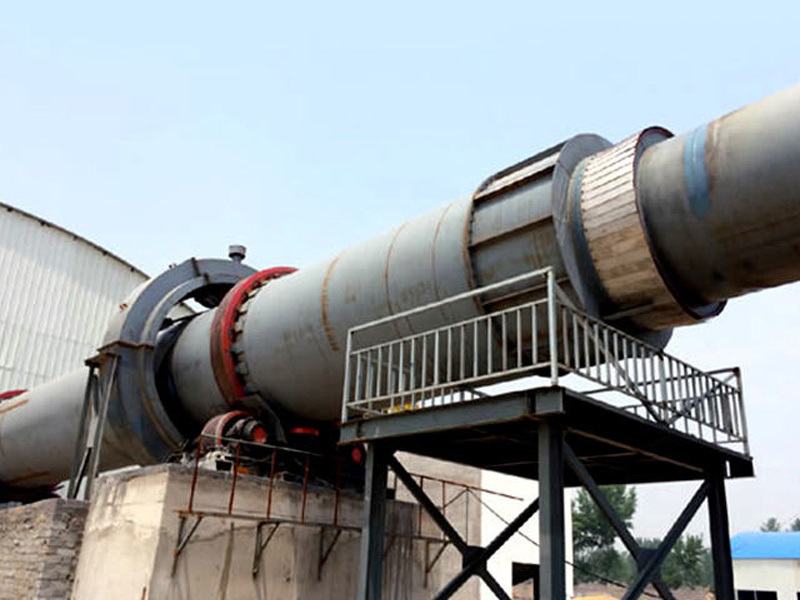
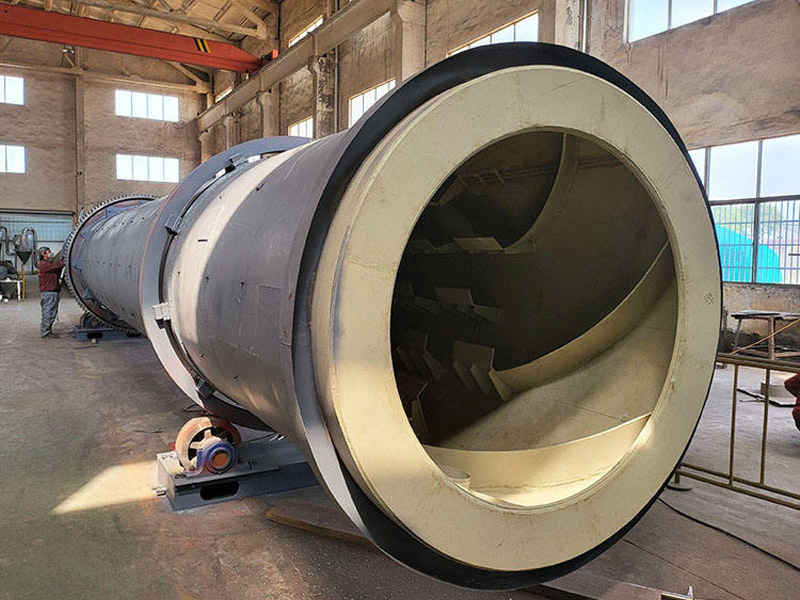
The alumina rotary kiln is the core calcination equipment in alumina production, primarily used for high-temperature processing of raw materials such as bauxite and aluminum hydroxide. It facilitates physical and chemical changes including dehydration, crystalline transformation, and pyrolysis, ultimately converting the materials into high-purity alumina products.
During operation, the blended aluminum hydroxide or bauxite feed is introduced into the kiln from the tail end. Due to the inclination and slow rotation of the cylinder, the materials roll along the circumference while simultaneously moving axially from the kiln tail (higher end) towards the kiln head (lower end). Fuel is injected into the kiln through a burner at the kiln head (lower end) for combustion. Heat is transferred to the materials through various means such as radiation, convection, and conduction. As the materials move through the kiln, they undergo multiple physical changes and chemical reactions, meeting the required technical specifications of the production process. The final product is discharged from the kiln head end and enters the cooler.
- Luoyang Hanfei Power Technology Co., Ltd
- Henan, China
- Possesses complete, stable, and efficient supply capabilities for Rotary Kiln and their components.
- Information
Alumina Rotary Kiln
An alumina rotary kiln is a specialized thermal equipment designed for alumina production. Its core function is to convert aluminum ore raw materials into alumina products through high-temperature heat treatment. As a key piece of equipment in the metallurgical and chemical industries, the alumina rotary kiln holds an irreplaceable position in the aluminum industry. From a process perspective, the alumina rotary kiln production line primarily consists of two core stages: the raw material pretreatment system and the heat treatment production process system.
The raw material pretreatment stage serves as the foundation of the entire production process, mainly involving procedures such as raw material selection, crushing, and mixing. The quality of treatment at this stage directly affects the efficiency of the subsequent calcination process and the quality of the final product. In actual production, raw material pretreatment requires targeted adjustments based on the physical and chemical properties of the ore, including control of crushing granularity, moisture regulation, and the necessary proportioning of additives.
The heat treatment production process is the core stage of alumina production, encompassing multiple key procedures such as raw meal preparation, in-kiln decomposition, lime cycling, and clinker cooling. Among these, the in-kiln thermal decomposition process represents the technical challenge of the entire process, requiring precise control of parameters such as temperature distribution, material residence time, and atmosphere composition to ensure efficient conversion of aluminum ore. Modern alumina rotary kilns widely adopt high-temperature pyrolysis technology, typically maintaining operating temperatures within the range of 1000–1300°C, ultimately yielding alumina products that meet purity requirements through complex physical and chemical reactions.
Working Principle: During operation, raw meal powder is fed into the kiln cylinder from the feeding pipe at the high end of the kiln tail. Due to the inclination and slow rotation of the kiln cylinder, the material undergoes a composite motion—tumbling along the circumferential direction while moving axially from the high-temperature end to the low end. The raw meal undergoes processes such as decomposition and sintering inside the kiln and is discharged from the lower end of the kiln cylinder into the cooler. Fuel is injected from the kiln head and combusted inside the kiln, generating heat to heat the raw meal and calcine it into clinker. The hot air formed during heat exchange with the material enters the kiln system from the feeding end and is finally discharged into the atmosphere through the chimney.
The structural and process design of this equipment deeply aligns with the high-temperature and continuous operational requirements of alumina production. The kiln body is constructed from wear-resistant and high-temperature-resistant specialized materials, combined with precise speed and inclination angle control designs. This not only ensures full contact between the material and the thermal field inside the kiln, facilitating thorough reactions and effectively improving raw material conversion efficiency, but also significantly reduces operational wear under high-temperature conditions, extending the overall equipment service life. Additionally, its overall layout can be flexibly adapted to the production planning of different factory areas, seamlessly integrating with upstream and downstream supporting systems such as raw material pretreatment, clinker cooling, and flue gas purification, enhancing the continuity and synergy of the entire alumina production line.
As the core calcination equipment in alumina production, this rotary kiln is used for high-temperature treatment of raw materials such as bauxite and aluminum hydroxide. Through a series of physical and chemical changes, including dehydration, crystal transformation, and pyrolysis, high-purity alumina products are ultimately obtained. The equipment also features the following technical characteristics: high energy efficiency and operational stability, wide applicability, advanced process control, and modular structural design.
Key Features Include:
1.High Processing Efficiency: Large cylinder capacity and high thermal efficiency support continuous large-scale production, with capacity ranging from several tons to several thousand tons per hour.
2.Strong Material Adaptability: Capable of processing alumina raw materials with varying moisture content and hardness while ensuring product purity.
3.Excellent Environmental Performance: Equipped with sealing and dust removal devices to effectively control dust emissions, ensuring stable and reliable operation.
4.Optimized Structural Design: Utilizes high-temperature-resistant materials and automated control systems, offering simple operation and convenient maintenance.