

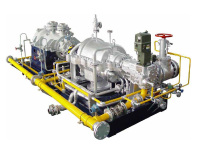
Adjusting The Extraction Turbine
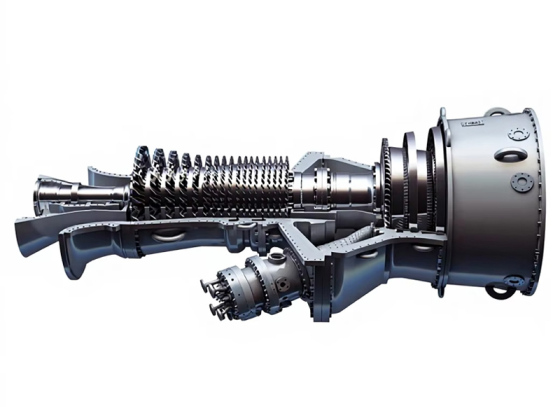
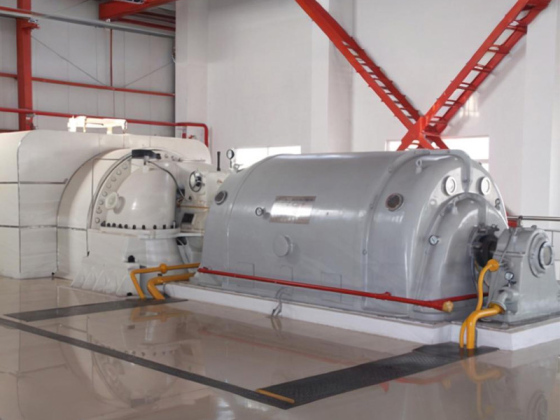
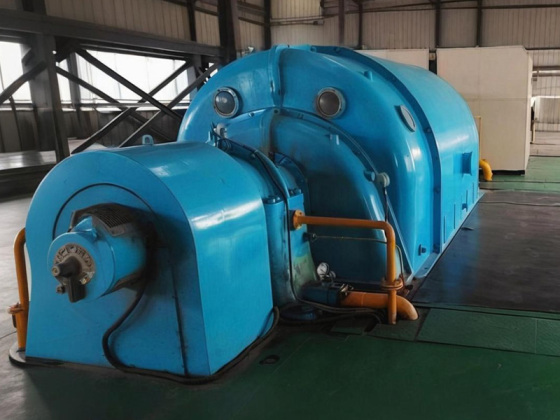
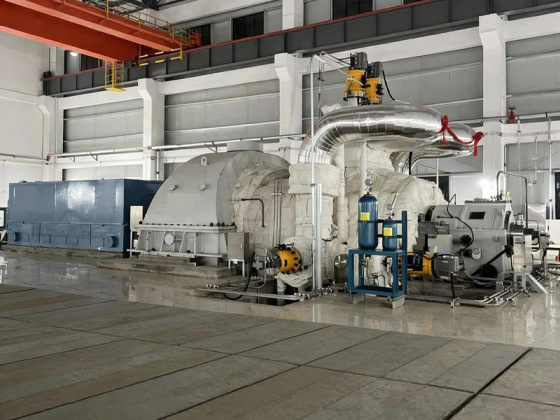
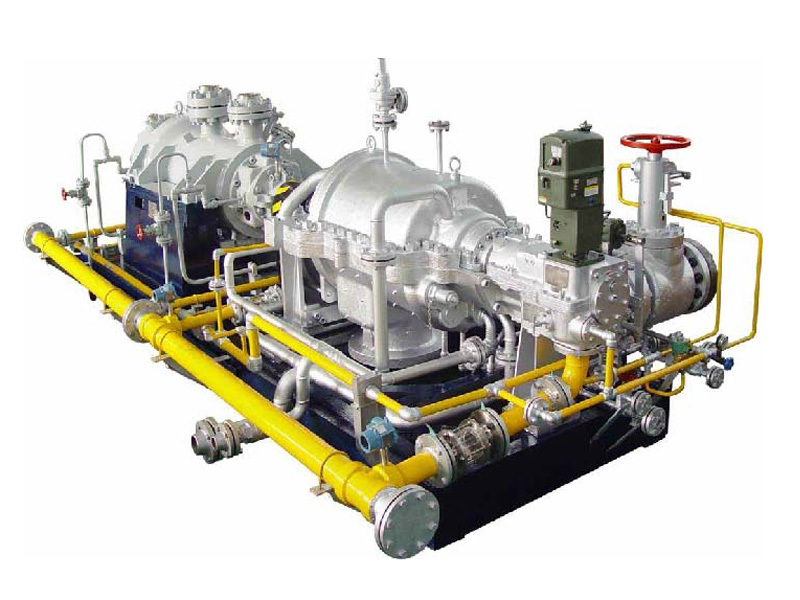
A single。-extraction steam turbine, also known as a single-extraction heating turbine, consists of a high-pressure section and a low-pressure section, which can be regarded as a combination of a back-pressure steam turbine and a condensing steam turbine. Fresh steam enters the high-pressure section to perform work and expands to a certain pressure before being divided into two streams. One stream is extracted and supplied to the thermal user, while the other enters the low-pressure section to continue expanding and performing work, ultimately being discharged into the condenser.
The power output of a single-extraction steam turbine is the sum of the power generated by the high-pressure section and the low-pressure section, which is determined by the amount of steam entering the turbine and the steam flow passing through the low-pressure section. By regulating the intake steam flow, different power outputs can be achieved, allowing the turbine to meet the requirements of heat and power loads within a certain range.
When the heating supply is zero, the single-extraction steam turbine operates similarly to a condensing steam turbine. Theoretically, if all the steam entering the high-pressure cylinder is extracted and supplied to the thermal user, it would function like a back-pressure steam turbine. However, in actual operation, to cool the low-pressure cylinder and dissipate the heat generated by windage friction losses, a certain amount of steam must flow through the low-pressure section into the condenser. The minimum required flow rate is approximately 5% to 10% of the design flow rate for the low-pressure cylinder.
- Luoyang Hanfei Power Technology Co., Ltd
- Henan, China
- Possesses complete, stable, and efficient supply capabilities for steam turbines and their components.
- Information
- Download
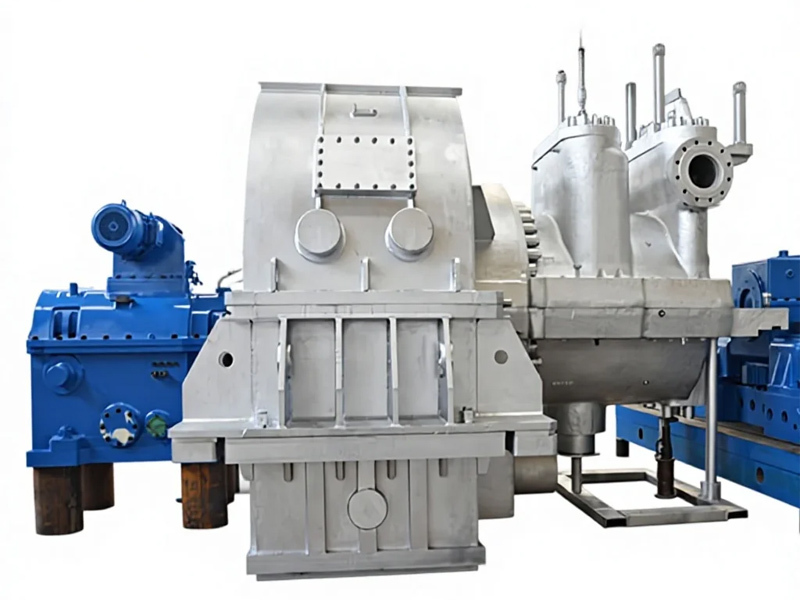
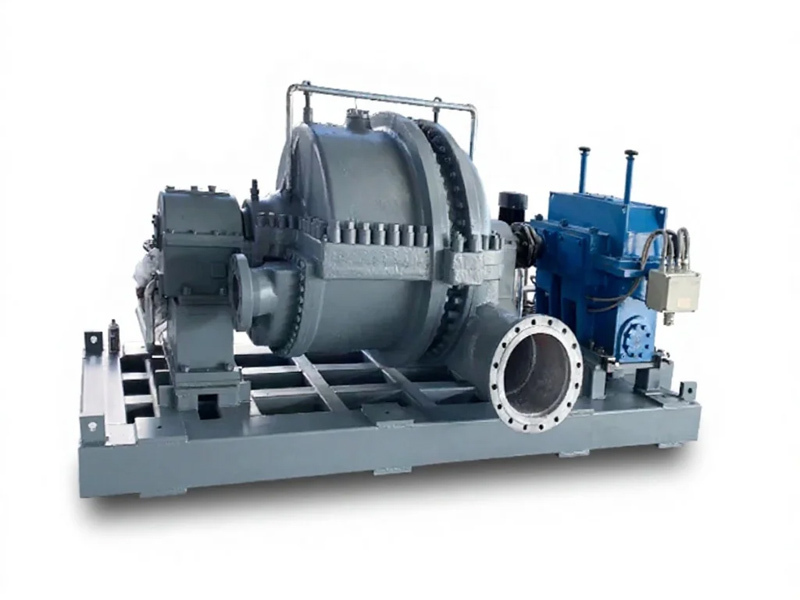
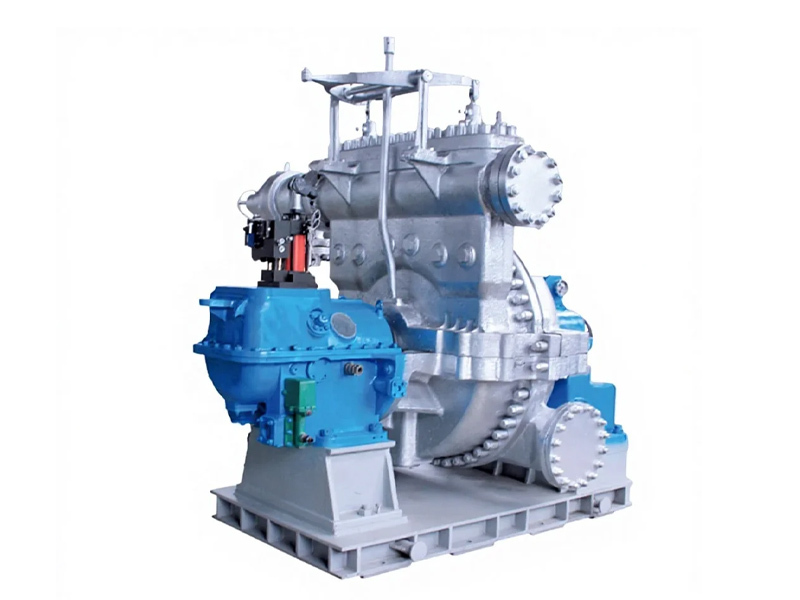
Regulated Extraction Steam Turbine
Also known as an extraction-condensing steam turbine or single-extraction heating turbine, it is a thermal power generation equipment that combines electricity generation with heating functions by extracting steam from intermediate stages of the turbine for supply to thermal users.
Working Principle and Structural Features
This turbine type consists of a high-pressure section and a low-pressure section. Fresh steam first enters the high-pressure section to expand and perform work, after which it is divided into two streams: one is extracted as heating steam for users, while the other enters the low-pressure section to continue expanding and performing work before being discharged into the condenser. Its working principle lies between that of back-pressure and condensing steam turbines. When the heating extraction steam flow is zero, the unit operates equivalently to a condensing steam turbine; if all the steam from the high-pressure section is extracted, it operates similarly to a back-pressure turbine. However, in actual operation, to prevent overheating caused by windage friction in the low-pressure cylinder, a minimum steam flow of 5% to 10% of the design flow must be maintained through the low-pressure section into the condenser.
The regulated extraction steam turbine is a key equipment in cogeneration, as it simultaneously meets electricity and heating demands by extracting steam with adjustable pressure during the expansion process.
Its core functions include:
1.Cogeneration and Efficient Energy Utilization
Fresh steam first enters the high-pressure section to perform work and is then divided into two streams—one extracted for thermal users (such as industrial steam or district heating) and the other flowing through the low-pressure section to continue performing work before being discharged into the condenser. This enables coordinated production of electricity and heat, improving comprehensive energy utilization efficiency.
2.Flexible Adjustment of Electricity and Heat Loads
By linking the speed governor and pressure regulator to dynamically control the high- and low-pressure section control valves or rotating diaphragms, electrical power output can be adjusted while maintaining stable heating loads (e.g., reducing electrical load by closing valves to maintain extraction steam flow, or increasing heating load by opening high-pressure valves and closing extraction valves to offset power fluctuations). This allows adaptation to changes in grid dispatch and heating network demands.
3.Ensuring Operational Safety
To prevent overheating caused by windage friction in the low-pressure cylinder, the unit must ensure that 5% to 10% of the design steam flow passes through the low-pressure section for cooling. The control system enforces a minimum condensing flow limit to ensure safe operation.
4.Peak-Shaving Capability and Adaptability
The electrical load adjustment range is constrained by the heating load. Through operational diagram analysis or thermal performance testing, peak-shaving characteristics can be optimized to balance stable heating supply with flexible power generation in urban centralized heating and industrial applications.
The core advantage of the regulated extraction steam turbine lies in its ability to flexibly match thermal and electrical loads by adjusting extraction steam pressure.
1.High Adjustability of Thermal and Electrical Loads
Through the combined design of high-pressure and low-pressure sections, fresh steam is divided into extraction heating and low-pressure section work streams after expansion in the high-pressure section. This allows independent adjustment of electrical power and extraction steam flow within a certain range, resolving the conflict between power supply and heating inherent in back-pressure turbines. It is particularly suitable for scenarios with significant fluctuations in heating loads.
2.High Operational Flexibility
The regulated extraction steam turbine can operate equivalently to a condensing turbine when extraction steam flow is zero or similarly to a back-pressure turbine when extraction steam flow is maximized. Meanwhile, through operational diagram analysis or thermal testing, peak-shaving performance can be optimized, such as flexibly adjusting electrical loads upward or downward under specific extraction steam flows to meet grid peak-shaving demands.
3.Excellent Heating Stability
Extraction steam pressure is controlled by a pressure regulator to maintain stability, ensuring reliable steam supply to thermal users. Additionally, the unit design retains a minimum flow (approximately 5% to 10% of the design flow) through the low-pressure section to cool the low-pressure cylinder, ensuring operational safety.
4.Broad Applicability
This turbine type is widely used in urban centralized heating, industrial waste heat utilization, and other fields. Its dual-extraction design can also meet heating load demands at different pressure parameters, further enhancing energy utilization efficiency.