


Focusing on Stable Equipment Operation | Common Fault Causes and Refined Maintenance Solutions for Industrial Steam Turbines
2026-09-05 00:00As the core main equipment for enterprise combined heat and power (CHP), waste heat power generation, and power drive systems, industrial steam turbines operate for extended periods under high temperature, high pressure, high speed, and continuous running conditions. The equipment operates under complex conditions with high precision requirements. During long-term operation, influenced by multiple factors such as start-stop operations, temperature fluctuations, medium erosion, equipment aging, and installation deviations, common problems such as leakage, deformation, vibration, and seal failure can easily occur. If faults are not addressed in a timely manner, they will not only reduce the power generation efficiency of the unit and increase energy consumption but may also lead to shutdown maintenance in severe cases, affecting the continuous production of the enterprise. Mastering the causes of common steam turbine faults and scientific maintenance methods is the key to ensuring long-term stable operation, extending equipment life, and reducing maintenance costs.
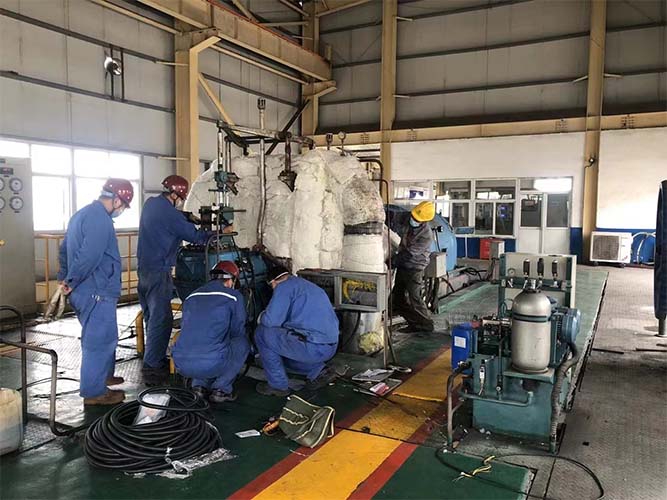
In actual field operation, cylinder leakage and joint surface deformation are the most common and typical fault issues for steam turbines. The cylinder is a cast structural component. If the aging treatment after leaving the factory is insufficient and the internal residual stress is not fully released, under alternating temperature changes and pressure load fluctuations, slow deformation can easily occur, causing uneven joint surface gaps and subsequent steam leakage. At the same time, frequent unit start-stop cycles, non-standard warming-up procedures, and excessively fast load change rates can cause severe differential temperature stress between the cylinder and flanges, exacerbating plastic deformation and widening joint surface gaps. In addition, unreasonable bolt tightening sequences, insufficient bolt preload, and mismatched sealing material selection are also important causes of steam leakage, which not only wastes thermal energy but also affects the overall sealing performance and operational stability of the unit.
In addition to cylinder leakage, equipment crack leakage and hydraulic system oil leakage are also common field faults. The servomotors and hydraulic control systems of steam turbines are mostly made of cast iron. The casting process itself has subtle defects such as pores and sand holes. Under long-term exposure to high-frequency vibration and working pressure, weak spots are prone to cracking, leading to hydraulic oil leakage. Traditional repair welding methods have poor stability, high rework rates, and can easily cause secondary material damage, often failing to completely solve the problem. This not only increases equipment maintenance pressure but also poses on-site safety hazards, affecting the continuity of enterprise production.
Cylinder deformation is a key challenge troubling many enterprises. It manifests in two forms: inward opening and outward opening deformation, with low-pressure cylinders being particularly affected. In addition to insufficient manufacturing aging treatment and excessive temperature differences during start-stop cycles, non-standard cylinder insulation, uneven heating of flanges and bolts, and unreasonable allowance of installation expansion gaps can all gradually accumulate deformation errors. Many enterprises resort to destructive treatments such as slotting and grinding during maintenance. While these methods can alleviate leakage in the short term, they damage the original structural precision of the cylinder, and deformation problems tend to recur over long-term operation—treating symptoms rather than root causes. The industry now tends to favor high-precision seal repair processes that restore the sealing performance of joint surfaces by repairing micro-gaps without damaging the cylinder structure.
From the analysis of various fault causes, it can be seen that the vast majority of steam turbine faults are not sudden problems but gradual issues caused by long-term condition accumulation, non-standard maintenance, and inadequate attention to detail. Therefore, refined and routine preventive maintenance is far more important than post-fault emergency repairs. In daily operation and maintenance, enterprises need to standardize unit start-stop procedures, strictly control load change rates, scientifically implement warming-up, insulation, and shutdown maintenance procedures, and reduce thermal stress damage to cylinders, rotors, and bolt structures. Regularly inspect the sealing status of cylinder joint surfaces, bolt tightening conditions, gland seal clearances, bearing operating temperatures, and vibration data to identify potential hidden dangers in advance.
At the same time, establish differentiated operation and maintenance records for different seasons and load conditions. Conduct periodic inspection and maintenance of the hydraulic system, sealing system, bearing system, and blade flow passage system. Timely replace aged seals, inspect oil circuit hazards, and calibrate equipment operating parameters. For older units and units operating under frequent variable conditions, regularly conduct dynamic balance testing, clearance re-measurement, and flow passage loss assessment to intervene in equipment aging issues early, preventing minor hidden dangers from escalating into major faults and effectively reducing the probability of shutdown maintenance.
Overall, the stable operation of industrial steam turbines relies on scientific operating procedures and a refined maintenance system. Various leakage, deformation, and vibration faults have clear causes. By standardizing operating procedures, improving inspection mechanisms, and adopting professional repair processes, unit stability can be significantly enhanced, energy consumption reduced, and equipment service life extended. For professional power equipment enterprises, they can not only provide high-quality steam turbine equipment but also, relying on rich field experience, offer customers integrated technical services including equipment selection, installation guidance, fault diagnosis, and maintenance care. This comprehensively ensures the safe, efficient, and long-term stable operation of customer units, helping enterprises achieve energy savings, efficiency gains, and safe production.