



- Home
- >
News
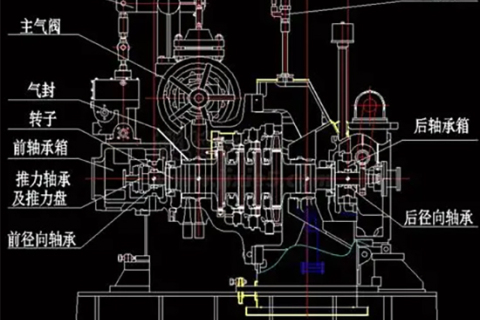
This article serves as introductory science popularization content for industrial steam turbines. It explains in plain language the definition and alternative names of industrial steam turbines, breaks down their core energy conversion principle, outlines the key advantages of the equipment, elaborates on mainstream application scenarios such as power plants, chemical plants, metallurgy, and marine vessels, introduces the basic supporting equipment system, and provides a comprehensive overview of fundamental steam turbine knowledge. The goal is to help industry customers quickly understand the application value of industrial steam turbines.
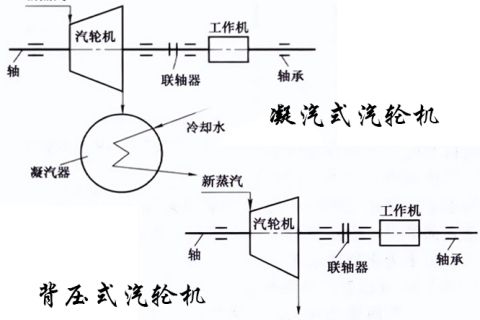
This article systematically reviews the mainstream classification methods of industrial steam turbines in conjunction with actual industry application scenarios. From multiple dimensions including thermodynamic characteristics, work principles, structural parameters, steam flow direction, and application fields, it elaborates on the technical features and applicable working conditions of different turbine types. Combined with current trends in industrial energy-saving retrofitting, it analyzes the application value of various steam turbine subcategories and the future development direction of the industry.
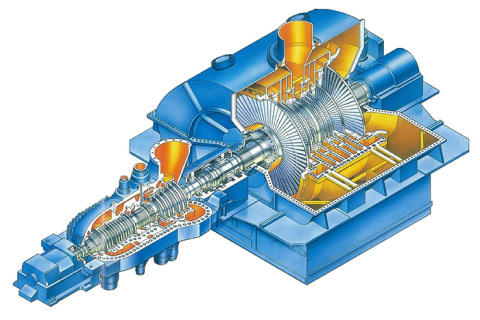
As the core equipment driving the development of modern industry and the energy sector, the birth of the steam turbine was no accident but rather a technological revolution that overturned the traditional power landscape. Tracing its origins, 1884 can be termed the "inaugural year" of the steam turbine, when British engineer Charles Parsons successfully developed the first practical steam turbine. This breakthrough shattered the limitations of traditional steam engines and opened a new chapter in the history of human power. Today, this "power pioneer," born over 140 years ago, continues to shine in fields such as electricity, industry, and maritime applications, serving as the "power cornerstone" supporting the development of the national economy.