

Roller Press Torsion Support
Torsion Support of Roller Press
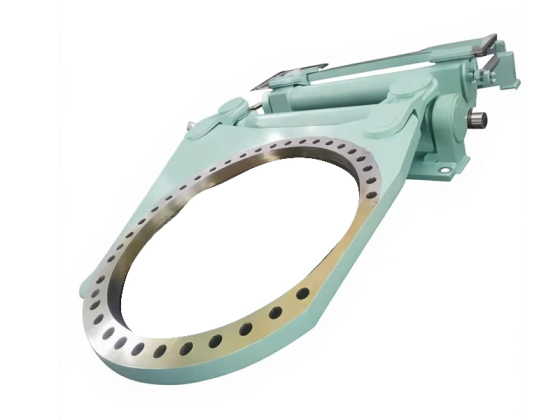
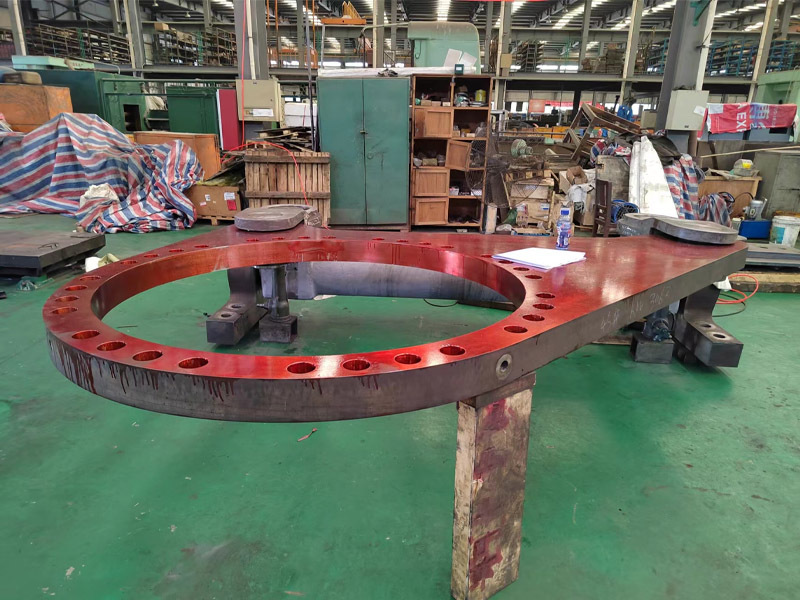
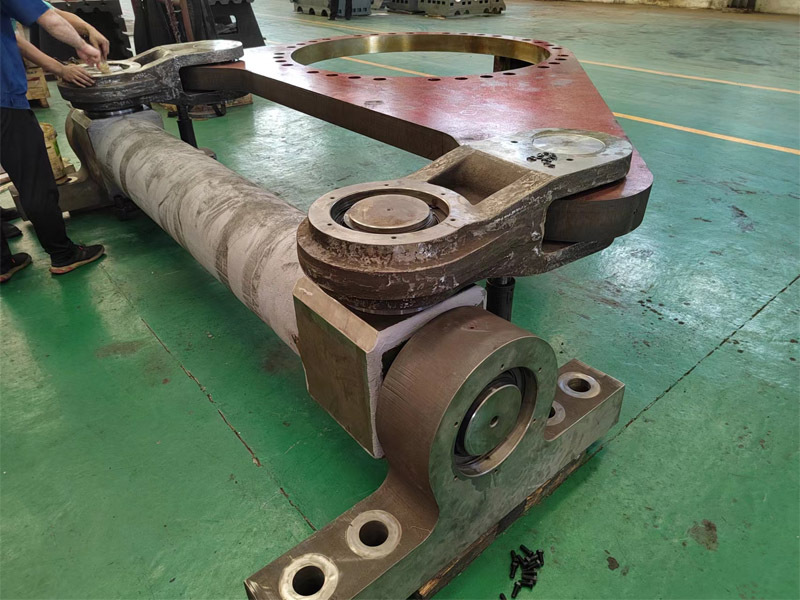
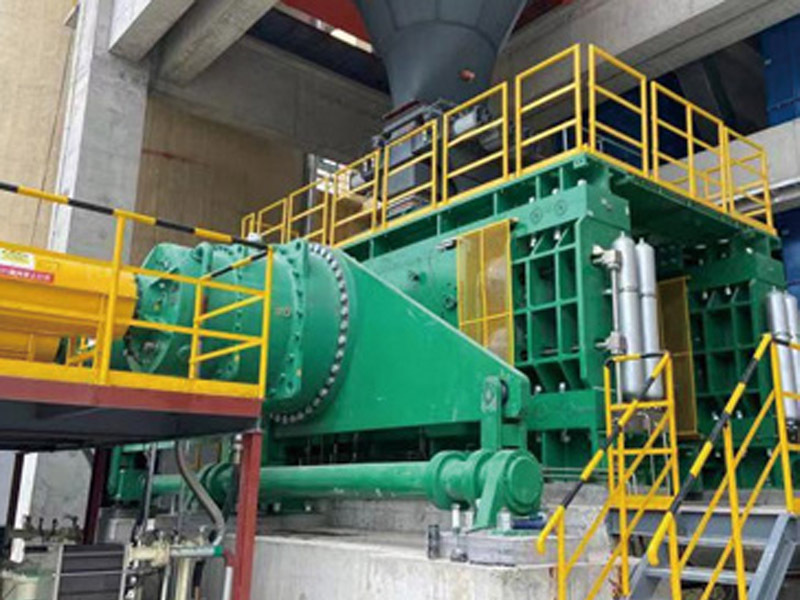
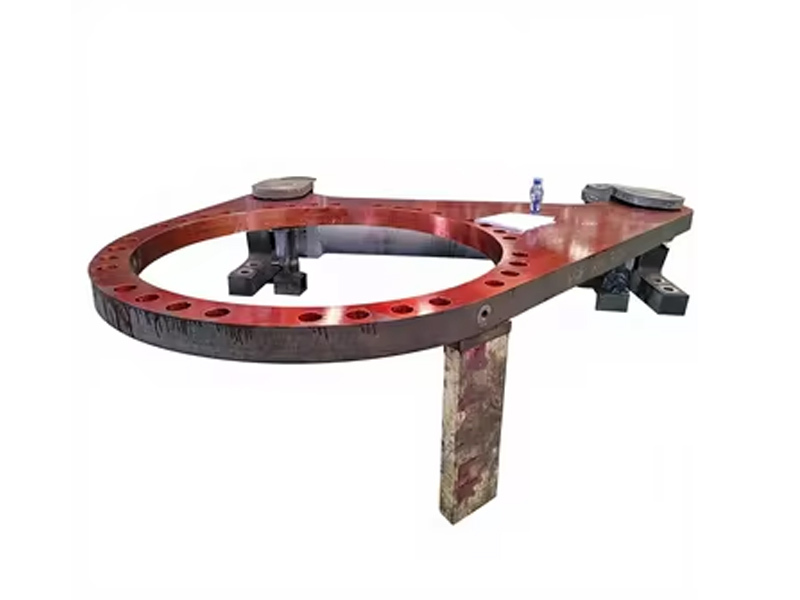
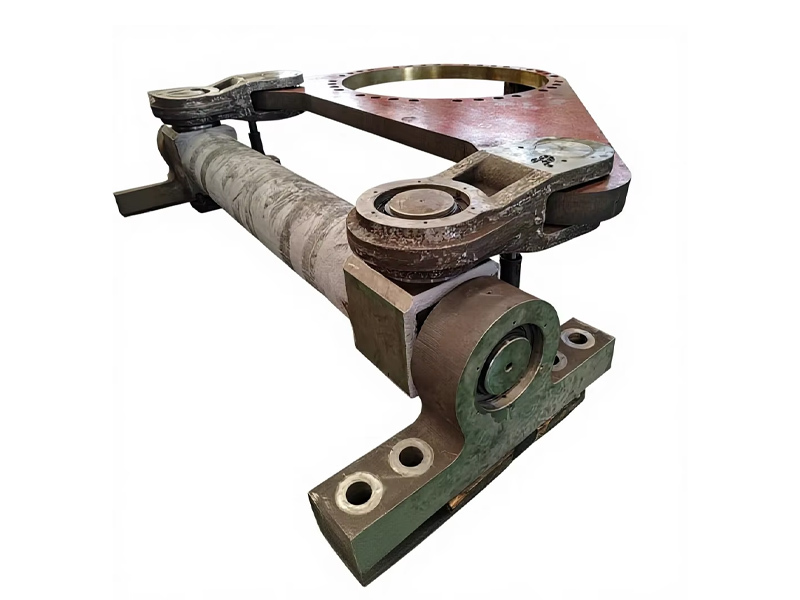
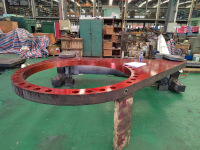
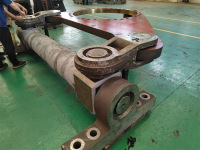
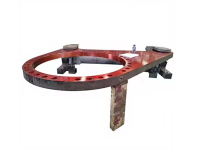
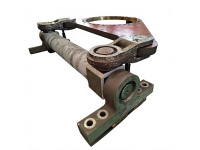
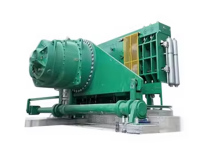
The torsion support of a roller press is a core balancing and protective device in the transmission system, specifically designed to counteract the reaction torque generated during the operation of the planetary reducer. It simultaneously bears the weight of the reducer and compensates for deviations caused by the horizontal displacement of the movable roll, ensuring stable torque transmission to the roller shaft. It typically adopts an L-shaped single-arm structure, composed of components such as the torque moment plate, spherical plain bearing, and balance rod. Through flexible oscillation, it achieves multi-dimensional force adjustment, making it suitable for the low-speed, heavy-duty operating conditions of roller presses. It serves as a critical junction connecting the fixed base and transmission components in building materials and metallurgical grinding production lines.
This component directly determines the service life of the roller press transmission system and production continuity, requiring strong impact resistance and wear performance. Daily operation and maintenance should focus on monitoring the condition of the balance rod and the lubrication status of the bearings, promptly identifying potential hazards such as bolt loosening and component bending. By optimizing the installation angle and selecting wear-resistant materials, the failure rate can be effectively reduced, maintenance costs minimized, and a solid foundation provided for the continuous and efficient operation of the roller press.
- Luoyang Hanfei Power Technology Co., Ltd
- Henan, China
- Possesses complete, stable, and efficient supply capabilities for Torsion Support
- Information
Roller Press Torsion Support
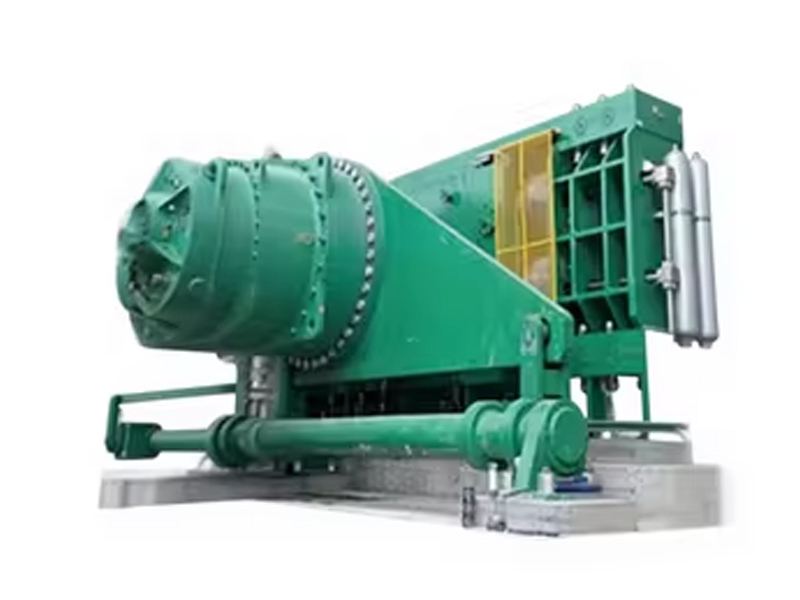
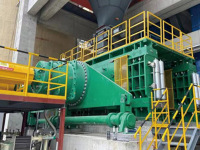
The torsion support for a roller press is a key load-bearing component specifically designed within the grinding equipment's drive train to resist torsional stress. It is widely used in roller press units across industries such as cement, mining, and metallurgy. Its core responsibility is to balance the reverse torque generated when the rollers compress material, dampening torque fluctuations and impact loads during power transmission, while simultaneously restricting radial and axial displacement of components. This prevents rigid damage to core components like the reducer and universal couplings caused by torque concentration. As the "anti-torsion hub" connecting the roller shaft to the machine frame, its performance stability directly determines the operational continuity, transmission efficiency, and overall service life of the roller press. It is a core component ensuring reliability under low-speed, heavy-duty conditions with frequent start-stop cycles.
From a structural design perspective, roller press torsion supports often employ either a cross-pin hinged type or a flexible arm type structure. Compared to traditional rigid supports, they offer greater deformation compensation capability and anti-fatigue performance. The core components include the torsion arm, universal joint with cross pin, wear-resistant bushing, locking bolts, and damping elements. Some high-end models integrate hydraulic damping devices to further enhance impact absorption capacity. The torsion arm is typically made of high-strength cast steel via integral molding, with heat treatment to improve torsional strength and toughness. The universal joint with cross pin utilizes needle roller bearings to allow flexible rotation, enabling it to adapt to minor roller misalignment and displacement deviations. The wear-resistant bushings, made from high-chromium alloy material, effectively reduce wear at the hinge points and extend the component's service life.
In terms of its working mechanism, the torsion support achieves torque balance through a combined mode of "rigid load-bearing + flexible damping." During roller press operation, the counter-rotating rollers generate immense reverse torque when compacting material. This force is transmitted through the roller shaft to the drive system. The torsion support receives this torque through its torsion arm and disperses it into the machine frame. Simultaneously, the universal joint with cross pin and damping elements work together to dissipate impacts caused by torque fluctuations, preventing the torque from acting directly on the reducer output shaft. When uneven material particle size causes roller misalignment or instantaneous overload, the torsion support can compensate for force deviations through its own minor deformation, preventing localized stress concentration that could lead to component cracking, thereby ensuring stable and smooth torque transmission within the drive system.
The design adaptation of the roller press torsion support to specific working conditions is particularly critical. In cement industry grinding applications, where material hardness is high and particle size varies significantly, leading to potential instantaneous overloads, the component requires enhanced impact resistance and wear performance. Designs often feature thickened torsion arms and optimized bushing lubrication structures. In the mining industry, the focus shifts to resisting dust erosion, with upgraded sealing assemblies to prevent ore powder from entering the hinge points and bearings, avoiding dry friction wear. Common failures primarily include wear of the universal joint cross pin, bending of the torsion arm, and bushing failure. These are mostly caused by insufficient lubrication, uneven loading, bolt loosening, or material fatigue. Severe cases can lead to excessive drive system vibration and shutdowns.
Scientific operation and maintenance management is crucial for extending the service life of the torsion support. During daily operation, it is necessary to regularly check the lubrication status of the hinge points and apply specialized anti-wear grease according to the operating conditions to ensure full lubrication of the universal joint and bushings. Locking bolt tightness should be inspected weekly and re-tightened to the standard torque to prevent loosening that could cause vibration and stress misalignment. The operational status of the component should be tracked using online vibration monitoring systems to promptly identify potential issues such as torsion arm deformation or abnormal bearing noise, enabling proactive repair or replacement. Furthermore, properly controlling feed particle size and roller press parameters to avoid prolonged overload operation can reduce the risk of torsion support failure at the source, providing solid support for the efficient and stable production of the roller press.