

- Home
- >
- Products
- >
- Large Rotary Kiln
- >
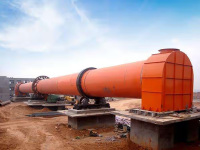
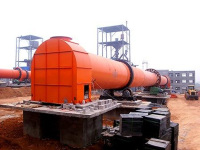
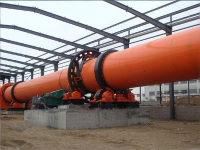
Large Rotary Kiln
Large Rotary Kiln
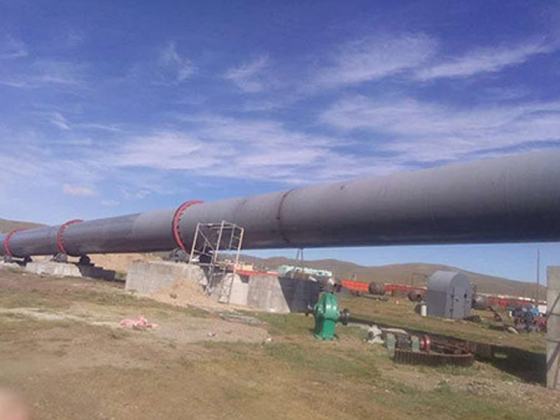
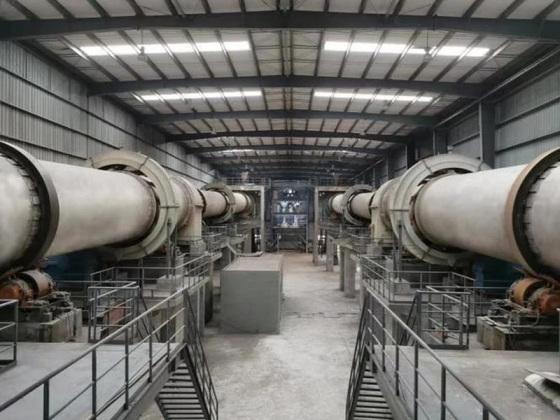
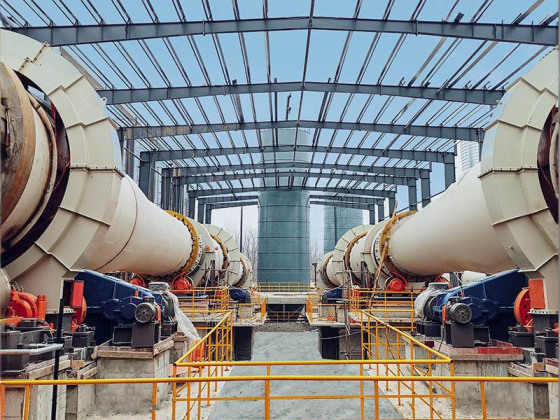
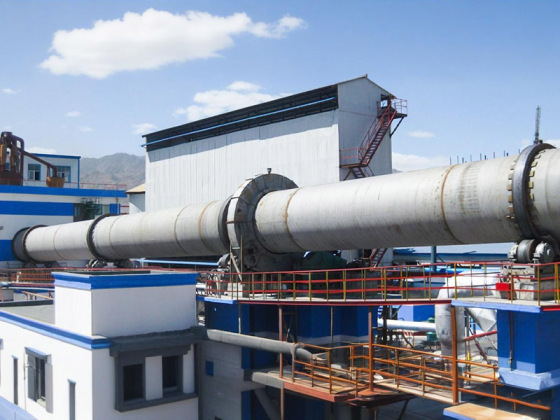
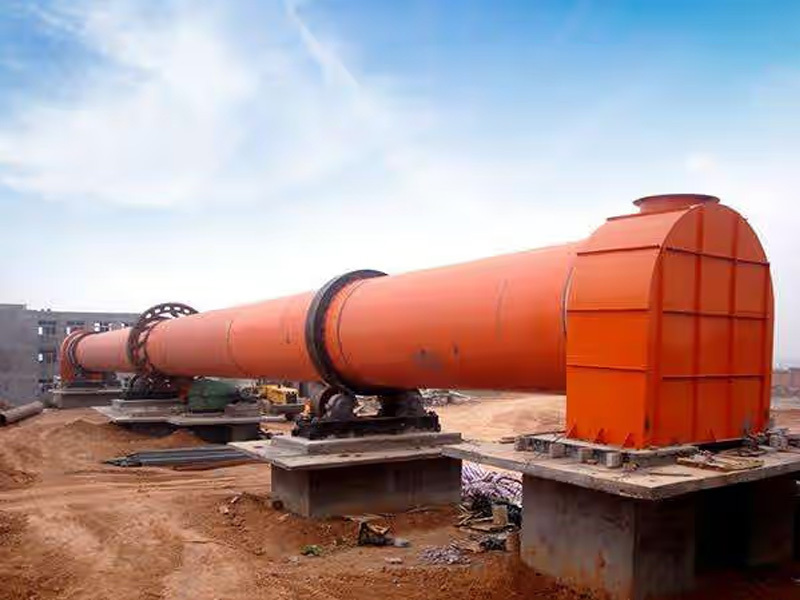
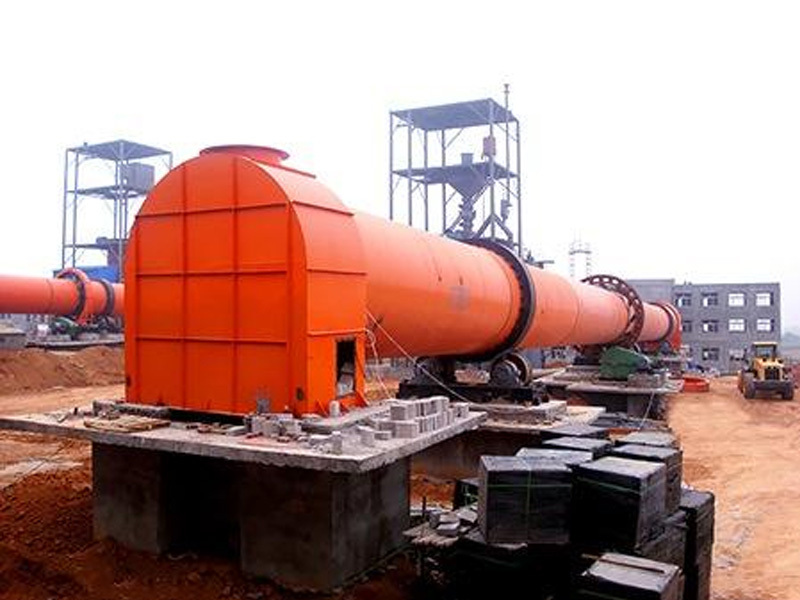
The large rotary kiln is an important industrial equipment widely used across multiple sectors, including building materials, metallurgy, chemical engineering, and environmental protection. It primarily consists of a cylinder, supporting device, drive system, kiln head and tail sealing devices, and a burner. Through its rotary motion, it facilitates various process operations such as calcination, drying, or chemical reactions of materials.
The large rotary kiln features a simple yet robust structure. It offers convenient and reliable process control during operation, has minimal wear-resistant parts, and maintains a high operational rate. With its rational and sturdy construction and stable running performance, it ensures high-quality output products. As a key enabler for large-scale production lines, it supports continuous and highly efficient operations. Furthermore, leveraging advanced technologies, it provides dual assurance for both environmental protection and production capacity.
- Luoyang Hanfei Power Technology Co., Ltd
- Henan, China
- Possesses complete, stable, and efficient supply capabilities for Rotary Kiln and their components.
- Information
Large Rotary Kiln
The large rotary kiln is a core equipment for large-scale high-temperature processing in the industrial sector. With outstanding advantages such as simple structure, reliable control, high operational rate, and minimal wear-prone parts, it is widely used across multiple industries including building materials, metallurgy, chemical engineering, and environmental protection. It is suitable for heating and calcining various materials such as limestone, bauxite, cement, and alumina, and can also handle special applications like medical waste processing, chemical fertilizer production, and soil improvement. Serving as a key enabler for large-scale production lines to achieve continuous and highly efficient operations, it simultaneously ensures both environmental compliance and production capacity through advanced technologies.
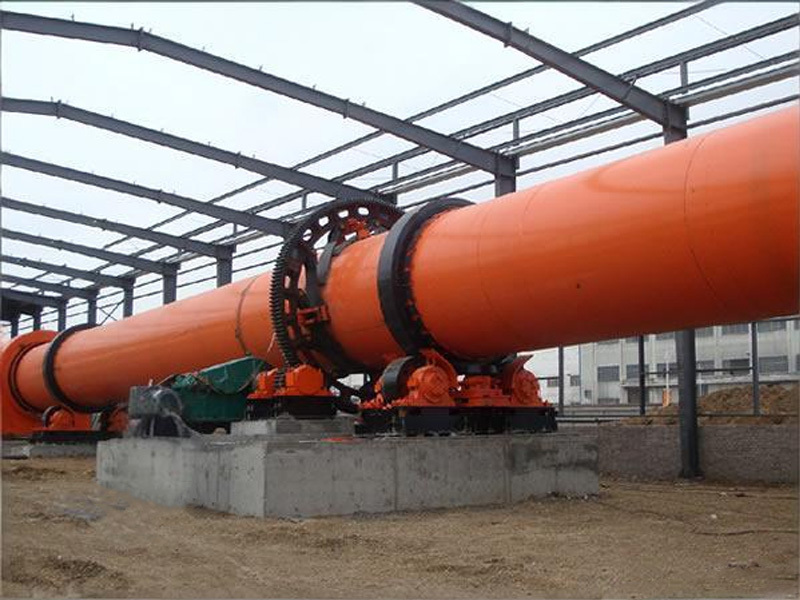
In terms of core structural design, the large rotary kiln combines robustness with stability. It mainly consists of key components including the cylinder, supporting device, drive system, kiln head and tail sealing devices, and the burner. The cylinder is formed by rolling steel plates and is lined with refractory material internally to withstand high-temperature erosion. The cylinder is set at a specified inclination relative to the horizontal plane and supported on multiple sets of supporting devices via three riding rings. The core of the drive system is the "main motor – main reducer – open gearing" combination. A large girth gear is fixed to the cylinder near the riding ring at the feed end through tangential spring plates, meshing with a pinion gear below to transmit power and drive the kiln body in smooth rotation. The sealing devices maintain a stable negative pressure environment inside the kiln, while the burner provides a continuous heat source for internal reactions. Auxiliary equipment such as efficient vertical preheaters and five-stage cyclone preheaters are also integrated to further enhance thermal efficiency and production capacity.
Its working principle centers on "continuous rotary drive + countercurrent heat exchange." Materials enter the kiln from the kiln tail (high end of the cylinder). With the aid of the cylinder's inclination and slow rotation, they are both tumbled and mixed circumferentially and moved axially at a uniform speed toward the kiln head (low end), completing the entire process of heating, calcination, and decomposition. Fuel is injected into the kiln from the kiln head and combusted. The resulting high-temperature gas flow forms a countercurrent heat exchange with the material, fully transferring heat to induce physical and chemical changes in the material. The final clinker product enters the cooler through the kiln hood for cooling, while the exhaust gas generated from combustion is discharged from the kiln tail after heat exchange. This continuous operation mode ensures the core advantages of large processing capacity and stable production efficiency.
The key features of the large rotary kiln are concentrated in three aspects:
1.Simple operation and reliable performance: It offers a high level of automation. The adjustment, control, and alarm functions of the production system are centrally managed via PLC in the main control room, requiring fewer on-site operators and improving labor efficiency. Full negative pressure operation is adopted, ensuring smooth airflow and high safety.
2.Energy saving and environmental protection: It utilizes pulse bag filters for dust removal, resulting in low emission concentrations that meet national standards, effectively protecting the production environment. Its simple and controllable structure also facilitates daily operation and maintenance.
3.High production efficiency: Through optimized design that eliminates thick coating and ring formation inside the kiln, the effective cross-sectional area is expanded. This generally increases cement clinker production capacity by over 10% and raises the rotary kiln operational rate by more than 10%.
In terms of application scenarios, the large rotary kiln exhibits strong adaptability:
• In the building materials industry, it is the core equipment in cement production lines for calcining cement clinker.
• In the metallurgical industry, it processes metal ores such as bauxite, zinc oxide, and alumina, extracting metallic elements through calcination and reduction reactions.
• In the chemical industry, it produces chemical raw materials like aluminum powder, metallic magnesium, and magnesium oxide.
• In the environmental sector, it is used for treating medical waste, hazardous waste, sludge, etc., achieving dual goals of resource recovery and environmental remediation.
Ensuring the efficient operation of a large rotary kiln requires attention to supporting systems and operational key points.
• Supporting equipment: The performance of the burner directly affects calcination results and energy consumption. Models with high combustion efficiency, wide adjustment range, and good compatibility with the kiln should be selected. A comprehensive lubrication system and cooling system are also essential to ensure equipment longevity.Industry standards cover the entire process from design, manufacturing, installation, to commissioning, ensuring equipment safety and durability.
• During operation, a comprehensive inspection of component integrity and connection tightness must be conducted before startup. During operation, equipment status and parameter changes should be closely monitored, and operational parameters adjusted promptly. Regular maintenance, replacement of worn parts, and cleaning of accumulated dust are necessary to ensure long-term efficient operation.