


- Home
- >
- News
- >
- Industry news
- >
News
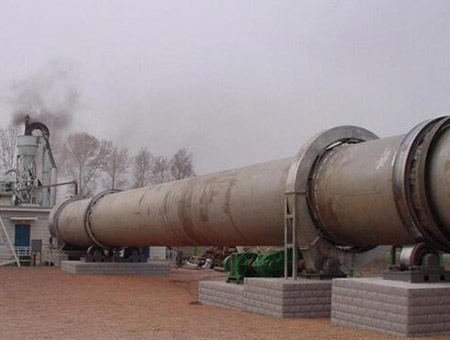
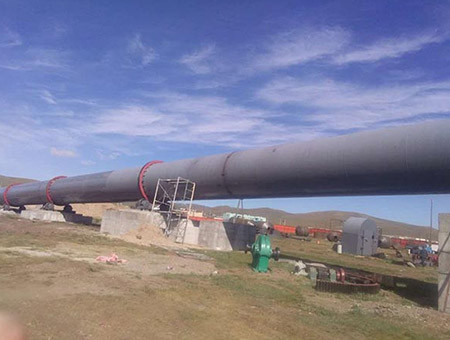
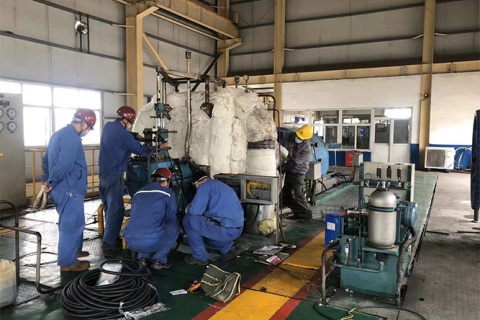
This article focuses on the pain points of industrial steam turbine field operation, providing a detailed analysis of the root causes of high-frequency faults such as cylinder steam leakage, cylinder body deformation, crack leakage, and hydraulic oil leakage. It examines the drawbacks of traditional repair methods and proposes scientific, standardized solutions for refined maintenance, inspection, and repair. The aim is to help enterprises reduce equipment failure rates, minimize shutdown losses, and extend unit service life, while reflecting the company's comprehensive equipment supporting and technical service capabilities.
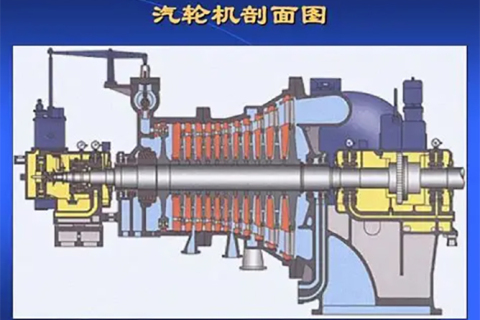
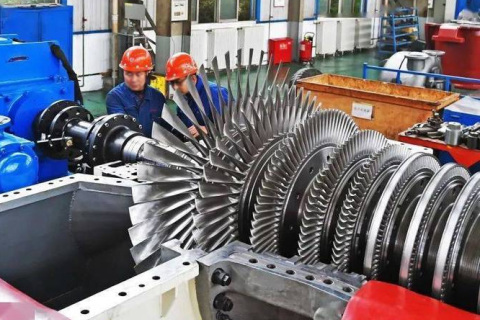
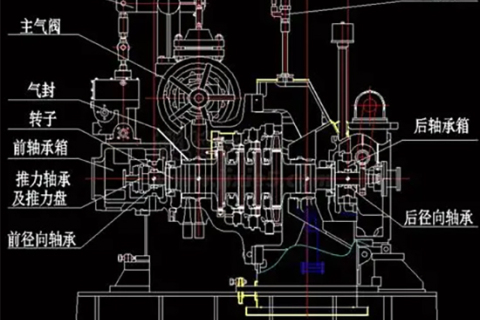
From the perspective of manufacturing and maintenance, this article deeply dissects the core structure of industrial steam turbines. It provides a detailed explanation of the structural classification, process characteristics, and core functions of key components such as the rotor, cylinder, blades, gland seals, bearings, and couplings. It analyzes the working condition adaptation logic of different structures, intuitively presents the key technical points of precision manufacturing for steam turbines, and highlights the important value of equipment structural design for unit stability and energy efficiency.
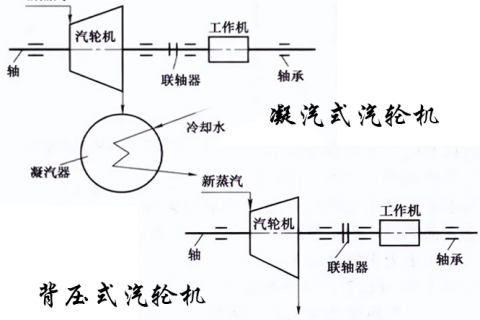
From the perspective of engineering practice and equipment selection, this article systematically breaks down the complete classification system of industrial steam turbines across multiple dimensions including working principle, thermal characteristics, steam parameters, structural type, and practical application. It compares the core differences and applicable working conditions of different turbine types, focusing on pain points in industrial project selection, and provides professional, practical reference for enterprises to accurately select steam turbine equipment and match working conditions.
This article traces the complete development trajectory of steam turbines from ancient prototypes to modern large-capacity units, compares the development history of the steam turbine industry in Europe, the United States, Russia, and Japan, and details the full story of China's domestic steam turbine industry starting from 1955 and the technological breakthroughs made by the four major power equipment manufacturers. Through a comparison of technological development between China and foreign countries, it showcases the journey of China's domestic steam turbine industry in catching up and surpassing, and summarizes the core directions of technological iteration in the industry over the past century.
This article serves as introductory science popularization content for industrial steam turbines. It explains in plain language the definition and alternative names of industrial steam turbines, breaks down their core energy conversion principle, outlines the key advantages of the equipment, elaborates on mainstream application scenarios such as power plants, chemical plants, metallurgy, and marine vessels, introduces the basic supporting equipment system, and provides a comprehensive overview of fundamental steam turbine knowledge. The goal is to help industry customers quickly understand the application value of industrial steam turbines.
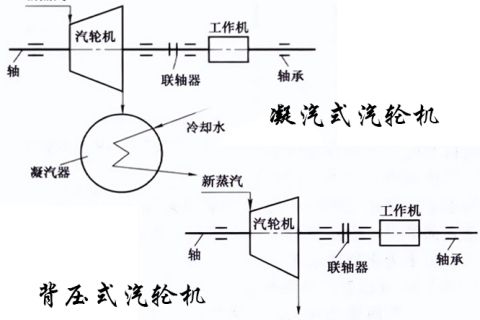
This article systematically reviews the mainstream classification methods of industrial steam turbines in conjunction with actual industry application scenarios. From multiple dimensions including thermodynamic characteristics, work principles, structural parameters, steam flow direction, and application fields, it elaborates on the technical features and applicable working conditions of different turbine types. Combined with current trends in industrial energy-saving retrofitting, it analyzes the application value of various steam turbine subcategories and the future development direction of the industry.
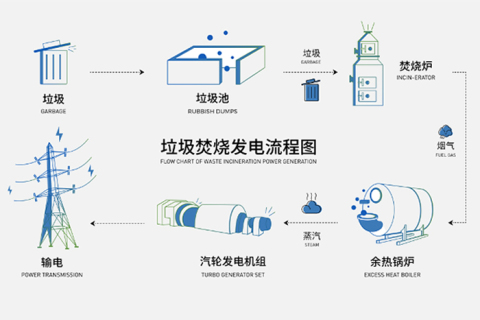
This section primarily elaborates on the complete process flow and core equipment characteristics of waste-to-energy, analyzes its multiple comprehensive values such as ecological protection, energy conservation, carbon reduction, and social empowerment, and combines industry regulations and regulatory frameworks to outline the industry’s developmental advantages, existing challenges, and international trends.
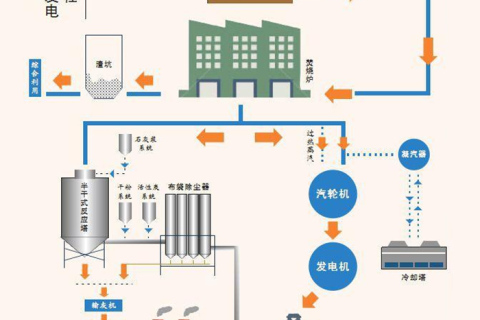
In 2026, domestic waste-to-power projects are accelerating their deployment in Central and Southeast Asia, with over ten overseas projects concentrated in the first five months. The demand for waste heat recovery steam turbines has risen accordingly. Luoyang Hanfei Power focuses on the research and development of steam turbine units for waste incineration heat recovery, closely following the industry’s overseas expansion trend. By optimizing its products to meet specific needs, the company is seizing opportunities to supply equipment for overseas power plant projects.
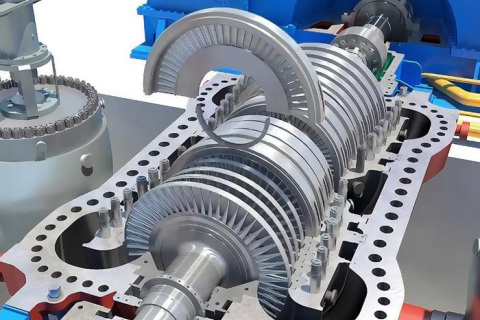
As a core piece of equipment in the field of energy conversion, the steam turbine, with its efficient thermal-to-mechanical energy conversion capability, serves as the "power heart" supporting critical sectors such as power generation and industrial drives. From efficient electricity production in thermal power plants to energy-saving applications in industrial waste heat recovery, steam turbines are ubiquitous in multiple key sectors of the national economy. Their technological evolution and application upgrades profoundly influence energy utilization efficiency and industrial development patterns. This section will provide a comprehensive analysis of the core principles, structure, maintenance, and development trends of this essential industrial power equipment.
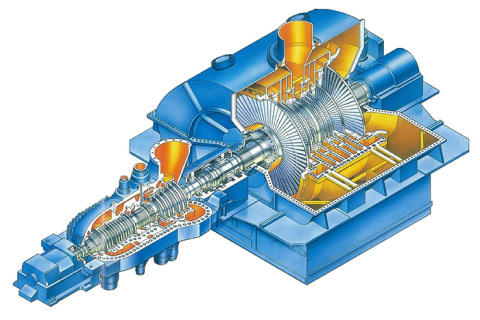
As the core equipment driving the development of modern industry and the energy sector, the birth of the steam turbine was no accident but rather a technological revolution that overturned the traditional power landscape. Tracing its origins, 1884 can be termed the "inaugural year" of the steam turbine, when British engineer Charles Parsons successfully developed the first practical steam turbine. This breakthrough shattered the limitations of traditional steam engines and opened a new chapter in the history of human power. Today, this "power pioneer," born over 140 years ago, continues to shine in fields such as electricity, industry, and maritime applications, serving as the "power cornerstone" supporting the development of the national economy.