


News
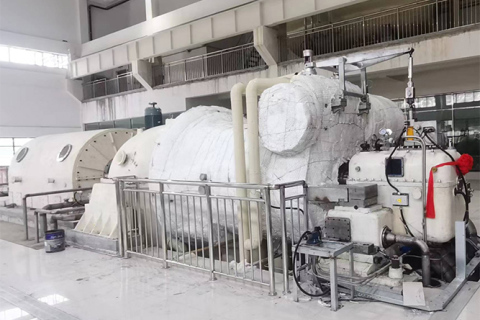
Against the backdrop of the rapid global development of distributed clean energy, many remote communities overseas that are far from main power grids have long faced electricity supply challenges. Biomass-based localized power generation, with its advantages of readily available raw materials and low-carbon circularity, has become the preferred route for energy upgrading in isolated-grid areas. As an equipment manufacturer integrating manufacturing and trading, our company can provide complete equipment supply and supporting technical services for biomass steam turbine generator units, delivering stable and reliable power generation equipment solutions for isolated-grid and off-grid scenarios both at home and abroad.
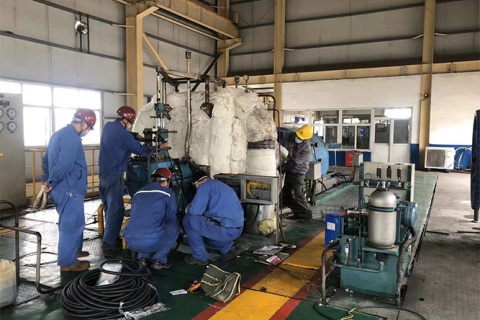
This article focuses on the pain points of industrial steam turbine field operation, providing a detailed analysis of the root causes of high-frequency faults such as cylinder steam leakage, cylinder body deformation, crack leakage, and hydraulic oil leakage. It examines the drawbacks of traditional repair methods and proposes scientific, standardized solutions for refined maintenance, inspection, and repair. The aim is to help enterprises reduce equipment failure rates, minimize shutdown losses, and extend unit service life, while reflecting the company's comprehensive equipment supporting and technical service capabilities.
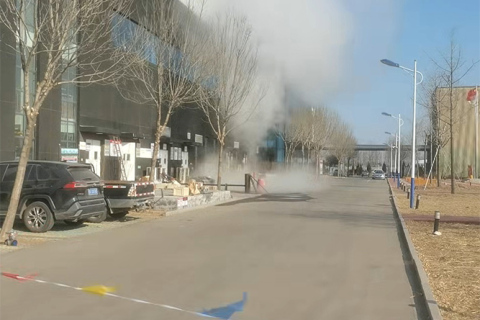
This article is a documentary record of the company's phased project work, unfolding along two parallel tracks: on-site implementation at owner locations and factory production services. It chronicles the entire process of later-stage installation, commissioning, and trial operation of steam turbine projects, showcasing the team's hands-on dedication through on-site residency, multi-party consultations, and攻坚克难 (tackling difficulties with determination). At the same time, it introduces the progress of ongoing, closing, and new projects within the factory, as well as client visit and coordination work. The article comprehensively reflects the company's dual-track project execution capability and professional service level.
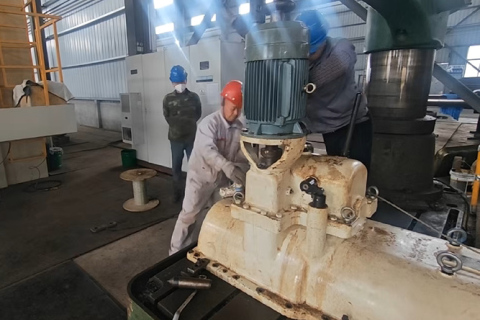
This summer has seen prolonged high temperatures and frequent rainy weather, and even after the Start of Autumn, the "Indian summer" continues to wreak havoc as extreme heat persists. Since the beginning of summer, the company has continuously advanced its heat-prevention and employee convenience initiatives. Based on the actual conditions of the new park, the company has implemented a range of human-centered measures—including installing collapsible rain/sun canopies, regularly distributing heat-relief supplies, optimizing the workshop operating environment, and coordinating convenient dining access within the park. These actions effectively address employees' practical difficulties, provide full-process assurance for summer safe production and employee physical and mental well-being, demonstrate the company's cultural depth, and strengthen team cohesion and momentum.
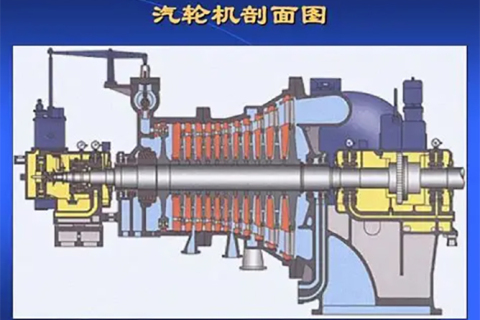
From the perspective of manufacturing and maintenance, this article deeply dissects the core structure of industrial steam turbines. It provides a detailed explanation of the structural classification, process characteristics, and core functions of key components such as the rotor, cylinder, blades, gland seals, bearings, and couplings. It analyzes the working condition adaptation logic of different structures, intuitively presents the key technical points of precision manufacturing for steam turbines, and highlights the important value of equipment structural design for unit stability and energy efficiency.
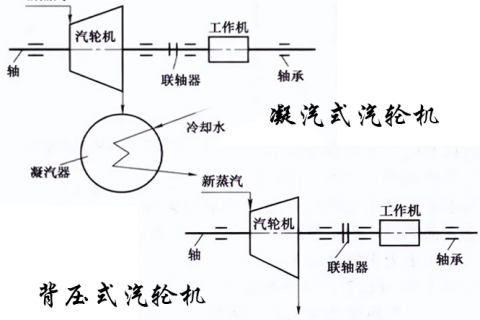
From the perspective of engineering practice and equipment selection, this article systematically breaks down the complete classification system of industrial steam turbines across multiple dimensions including working principle, thermal characteristics, steam parameters, structural type, and practical application. It compares the core differences and applicable working conditions of different turbine types, focusing on pain points in industrial project selection, and provides professional, practical reference for enterprises to accurately select steam turbine equipment and match working conditions.
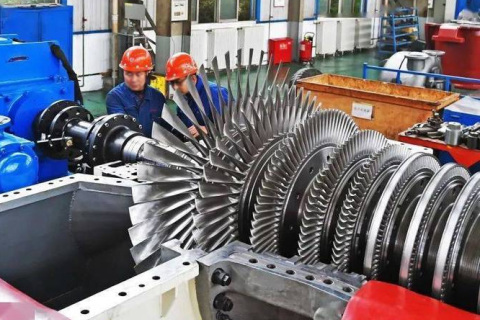
This article traces the complete development trajectory of steam turbines from ancient prototypes to modern large-capacity units, compares the development history of the steam turbine industry in Europe, the United States, Russia, and Japan, and details the full story of China's domestic steam turbine industry starting from 1955 and the technological breakthroughs made by the four major power equipment manufacturers. Through a comparison of technological development between China and foreign countries, it showcases the journey of China's domestic steam turbine industry in catching up and surpassing, and summarizes the core directions of technological iteration in the industry over the past century.
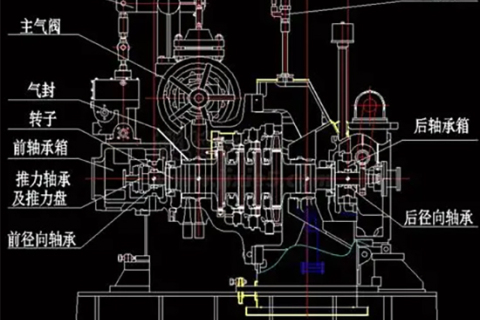
This article serves as introductory science popularization content for industrial steam turbines. It explains in plain language the definition and alternative names of industrial steam turbines, breaks down their core energy conversion principle, outlines the key advantages of the equipment, elaborates on mainstream application scenarios such as power plants, chemical plants, metallurgy, and marine vessels, introduces the basic supporting equipment system, and provides a comprehensive overview of fundamental steam turbine knowledge. The goal is to help industry customers quickly understand the application value of industrial steam turbines.
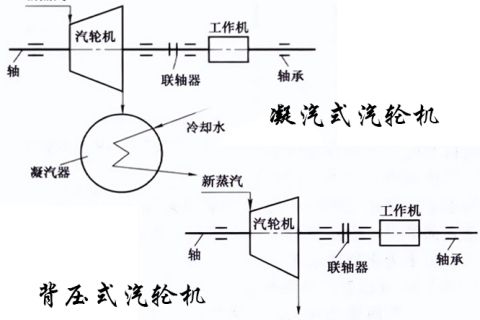
This article systematically reviews the mainstream classification methods of industrial steam turbines in conjunction with actual industry application scenarios. From multiple dimensions including thermodynamic characteristics, work principles, structural parameters, steam flow direction, and application fields, it elaborates on the technical features and applicable working conditions of different turbine types. Combined with current trends in industrial energy-saving retrofitting, it analyzes the application value of various steam turbine subcategories and the future development direction of the industry.
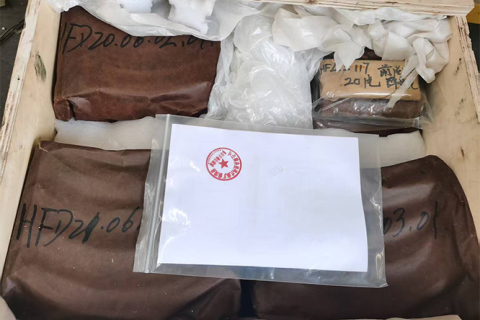
The company successfully closed a foreign trade order for gland ring accessories through Alibaba International Station. While routine business follows the customer's drawing-based customization model, this special case relied on original manufacturer resources to match stock spare parts. The order negotiation spanned three months. Due to information asymmetry in cross-regional procurement, the customer had numerous doubts, and communication once stalled. Through proactive response, patient clarification, and long-term follow-up professional service, the team dispelled the customer's concerns and smoothly facilitated the cooperation, demonstrating the company's high-quality foreign trade service capabilities.